Interactive, Gamified Blogging and Audio Content in 2025
 (4).png)
The digital publishing landscape in 2025 has moved far beyond static blog posts and conventional podcasts. Instead, creators and brands now embrace interactivity and gamification to reimagine how audiences engage with both written and spoken content.
Audio storytelling has evolved from being a mere alternative to text into a powerful, immersive complement. Gamified experiences now transform passive readers and listeners into active participants.
These innovations are not fleeting trends. They reflect fundamental shifts in audience expectations, technological capabilities and the desire for deeper, more memorable experiences.
For businesses, marketers and publishers to stay competitive, understanding how interactive, gamified blogging and audio first strategies reshape engagement is essential.
The Rise of Interactive Blogging
Recent researches indicate that the gamification market has experienced substantial growth over the past five years, reflecting its increasing adoption and effectiveness across industries.
 (5).png)
Traditional blogging centred on long‑form text optimised for search remains useful. However, modern readers expect far more. Interactive blogging now embraces features such as
- Embedded quizzes and polls for on‑the‑spot knowledge testing
- Dynamic infographics that readers can explore in depth
- Choose‑your‑path narrative structures that adapt to reader preferences
- Inline multimedia commentary combining video and audio with text
This style of blogging not only increases dwell time but also delivers more personalised, educational and entertaining experiences.
For example, sustainable lifestyle blogs now frequently include interactive carbon‑footprint calculators that let readers apply insights in real time.
 (1).jpg)
Interactivity fosters active engagement rather than passive consumption. Participants are more likely to recall, share and act upon content.
Gamification Turning Readers into Players
Gamification, the application of game elements such as points, rewards and progress tracking, has entered the publishing realm with remarkable effect.
In 2025, blogs and digital magazines increasingly integrate games like mechanics to foster loyalty and encourage repeat visits.
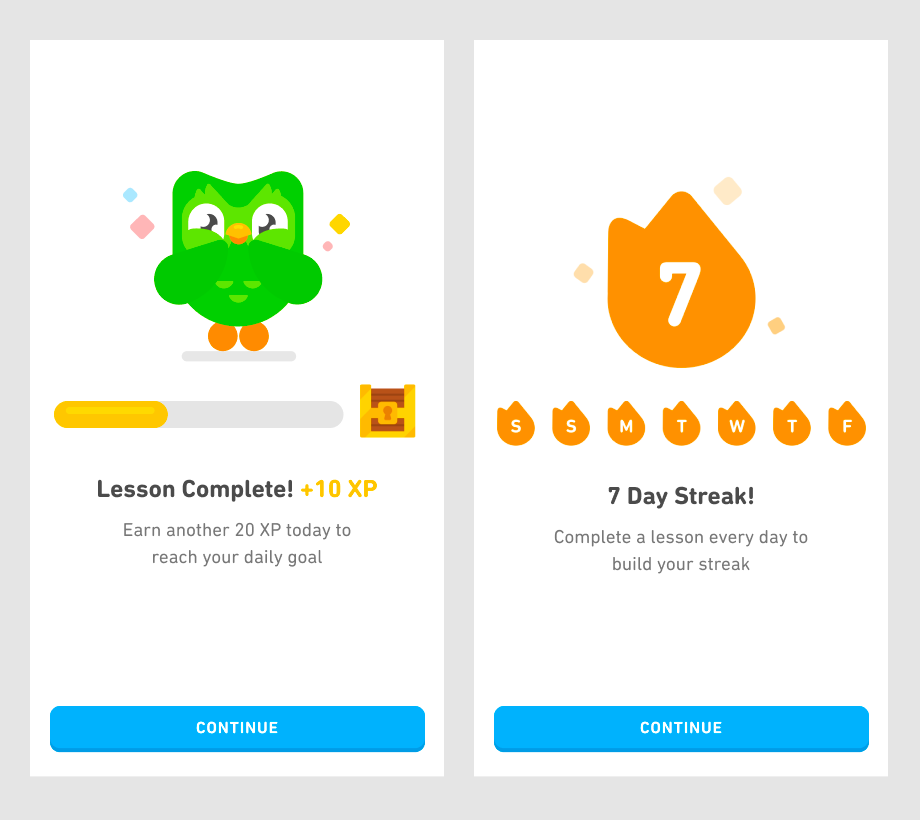
A prime example is Duolingo, which remains widely regarded as the gold standard for gamified learning in the field of education.
Learners earn points and levels, maintain streaks, immediately receive corrective feedback and compare progress through leaderboards. This design not only motivates ongoing participation but deeply embeds the learning habit.
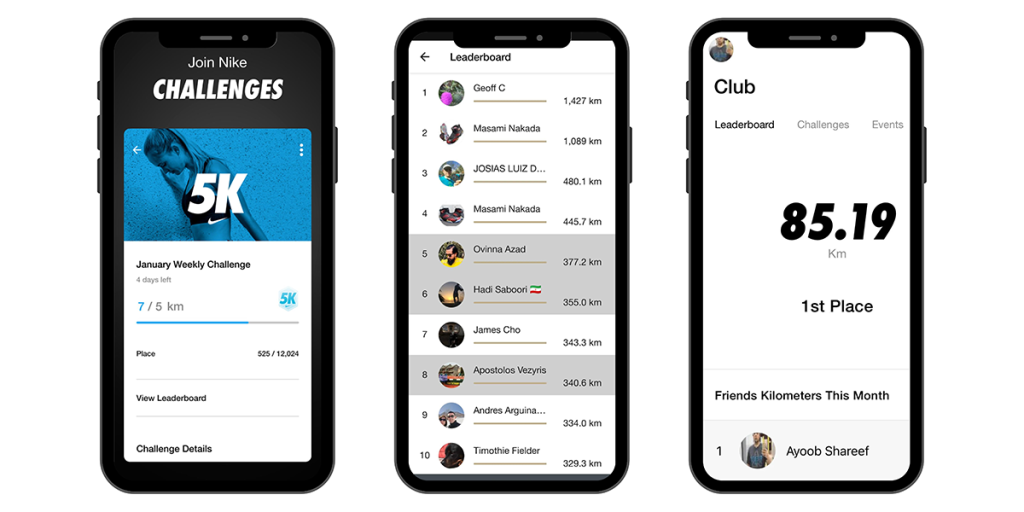
Other major brands have also innovated in gamification outside of education. For instance, Nike enhances engagement in its “Nike Run Club” app through personalised goals and social challenges.
Let us walk the talk with another strong case. Semrush, a prominent SaaS platform, faced the challenge of increasing website traffic to drive both registrations and subscription purchases.
They aimed to attract visitors through a mix of paid and organic channels but needed an innovative approach to achieve these goals.
The Media Agency Rhapsody was tasked with crafting a solution that would not only meet targets but also stand out in a competitive digital landscape.
The solution was a gamified global campaign built around the #ShapeYourStory message. At its core was a striking 50 second animated video showcasing Semrush’s brand identity while introducing vibrant campaign visuals.
This was supported by a suite of interactive experiences:
- A personality quiz aligning users with specific tools and services tailored to their needs
- A mobile game designed to capture attention while subtly reinforcing the value of Semrush’s offerings
- A dedicated landing page created with Ceros, enriched with downloadable whitepapers for lead generation
Every element of the campaign was meticulously crafted, from ideation to multilingual adaptation, ensuring the #ShapeYourStory message resonated with a global audience.
The results were significant. The campaign video generated nearly 2.7 million views on YouTube with exceptional average watch times.
The interactive quiz and mobile game achieved higher engagement rates, forging a direct connection between audiences and Semrush’s platform.
Most importantly, the campaign boosted both registrations and subscriptions, affirming the effectiveness of gamified storytelling.
Through this innovative approach, Semrush demonstrated that gamification is not only engaging but transformative when applied strategically.
These examples illustrate the power of gamification to satisfy competition, achievement and recognition desires, transforming solitary engagement into community experiences.
For brands, such mechanics yield clear business value: increased dwell, retention and emotionally aligned engagement.
👉 See this gamified marketing campaign 👈
Audio Content Becoming Centre Stage
Smart speakers, wearable devices and AI‑powered platforms have propelled spoken content to the centre of digital strategies in 2025. Audio first approaches now occupy a central role rather than a secondary one.
Many blogging platforms now offer dual formats in which every article is accompanied by AI‑generated or human‑narrated audio. Podcasts, too, have evolved into interactive ecosystems featuring voice‑enabled navigation, chapter‑based interactivity and embedded polls or audience responses.
A strong example is the interactive podcast Solve This Murder, where listeners join Detective Bill Sunderland in working through original whodunit mysteries.
Each case unfolds across multiple episodes, with audiences analysing clues and submitting their own theories before the final reveal.
This blend of storytelling and participation highlights how audio content can evolve into an immersive, community-driven experience.
Audio offers intimacy and accessibility, especially for visually impaired users or those preferring listening over reading. It enhances multitask learning; whether during commutes, workouts or household routines.
Convergence of Interactive Audio and Gamified Listening
Perhaps the most exciting frontier is where interactivity, gamification and audio converge. Experimental approaches are emerging in which listeners gain rewards for completing episodes or interacting with embedded quizzes.
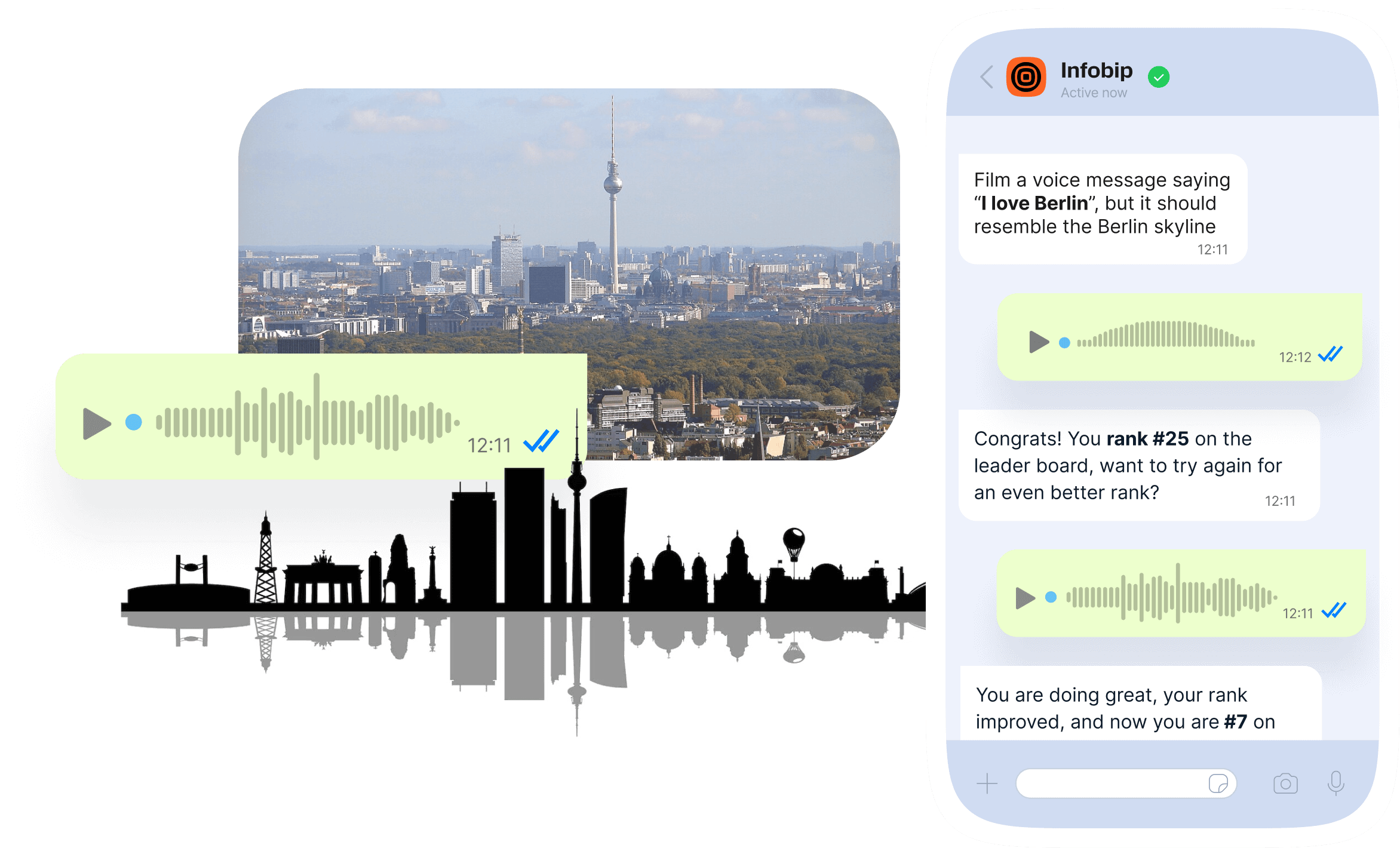
A standout example is Vocalize, a platform designed for gamified voice competitions. It uses audio processing and large language models to host engaging interactive experiences at live events.
The platform has already shown strong user engagement and offers promise for gamified audio campaigns in sectors such as marketing.
Another innovative model is the interactive fiction podcast The Walk by Naomi Alderman. Although originally released in 2018, it remains notable: the listener becomes the story’s protagonist, walking across 31 episodes in a participatory, narrative‑driven experience.
Additionally, platforms leading in the audio space, such as Spotify and Apple Podcasts, now incorporate features like live polls, real time audience participation and gamified challenges, shifting listeners from passive consumption to active participation.
Why These Trends Matter for Brands and Publishers
Integrating interactive, gamified and audio driven content is no longer optional. it is strategically imperative in 2025. Key benefits include:
- Enhanced Engagement: Interactive and gamified content significantly prolongs dwell time and deepens emotional connection.
- Personalisation: Adaptive content enables readers and listeners to shape their own journey, increasing satisfaction and loyalty.
- Accessibility: Audio formats make content inclusive and suited to diverse learning preferences.
- Rich Analytics: Gamified engagement generates behavioural data that informs refined targeting.
- Distinctiveness: Innovation in content becomes a critical differentiator in a crowded digital marketplace.
Practical Considerations for Implementation
Realising these capabilities requires thoughtful strategy:
- Choose technology platforms that support interactivity without sacrificing usability.
- Prioritise high-quality content; gamification should amplify rather than distract.
- Ensure tonal consistency across text and audio formats.
- Respect user privacy by using engagement data responsibly and transparently.
- Define and measure clear KPIs such as engagement and completion rates to iterate effectively.
Measuring Success and ROI of Gamification in Marketing
As gamification becomes a central marketing tool in 2025, measuring its success and return on investment (ROI) is essential for refining strategies and justifying continued investment.
Without clear metrics, even the most creative campaigns risk being undervalued or misaligned with business objectives.
Key indicators for evaluating gamified campaigns include engagement rates, conversion metrics and customer retention.
- Engagement rates reveal how users interact with gamified elements such as challenges, quizzes and rewards. Higher engagement demonstrates deeper user involvement and indicates that content is resonating.
- Conversion rates track whether gamification is successfully driving desired outcomes such as purchases, newsletter sign ups or trial activations. This ensures campaigns are not only interactive but also commercially effective.
- Customer retention metrics measure the long term value of gamified experiences by assessing repeat interactions and loyalty over time. Sustained retention highlights the emotional connection created through interactive storytelling and game like mechanics.
By monitoring these metrics consistently, marketers can optimise campaigns, focus resources effectively and communicate tangible business value to stakeholders.
In a competitive digital environment, quantifying ROI transforms gamification from an experimental tactic into a proven strategic asset.
Conclusion
In 2025, interactive blogging, gamified experiences and immersive audio are transforming digital content from static to participatory and memorable.
Real world successes such as Duolingo, Vocalize and interactive podcasts like The Walk demonstrate that when creators invite engagement, they foster deeper connection and loyalty.
The future of content lies not only in what is written or spoken, but in how audiences respond, play and engage. Forward-thinking publishers who harness these formats unlock boundless opportunity.


Adxom is a global SEO and link-building platform
trusted by startups, agencies, and brands to grow
rankings with fast, reliable, hassle-free results.
