In the Era of Self Driving, Will Marketing Be on Autopilot?
 (16).png)
Self driving cars remind us how automation can take over tasks once handled by people. In the same way, modern marketing is shifting toward systems run by AI, where algorithms manage campaigns with little human input.
The critical question is whether marketing can run itself entirely. Will strategies, campaigns, and consumer engagement become fully automated, or will the human touch remain essential?
Automation and AI in Marketing Today
Automation is not a futuristic concept. It is already embedded in everyday marketing practice.
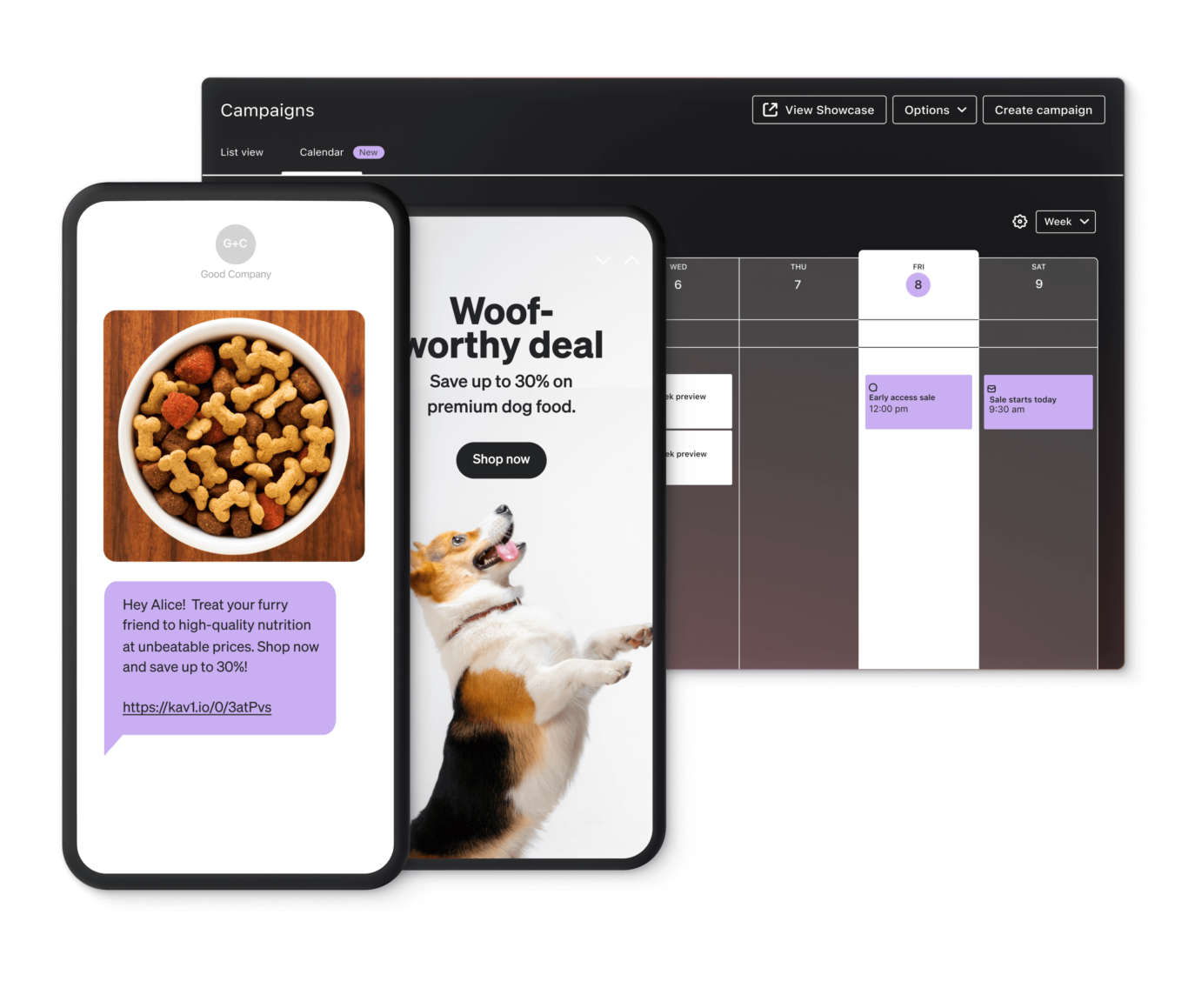
Email marketing automation
Platforms like Mailchimp and Klaviyo send personalised emails triggered by user behaviour. According to HubSpot, 77 percent of marketers saw an increase in conversions after adopting email automation.
Ad optimisation
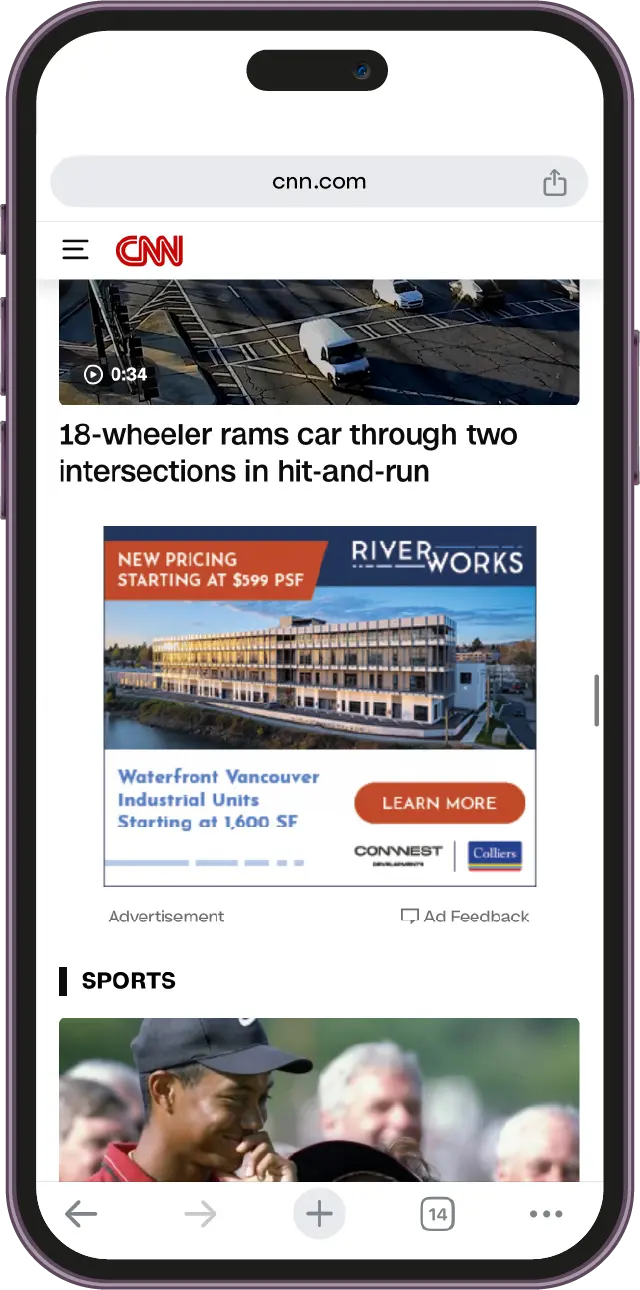
Google’s Performance Max campaigns use machine learning to allocate budgets across search, display, YouTube, and Gmail with minimal human oversight.
Customer service
Sephora’s AI chatbot offers beauty advice and personalised product recommendations, reducing wait times and improving customer satisfaction.
Personalisation at scale
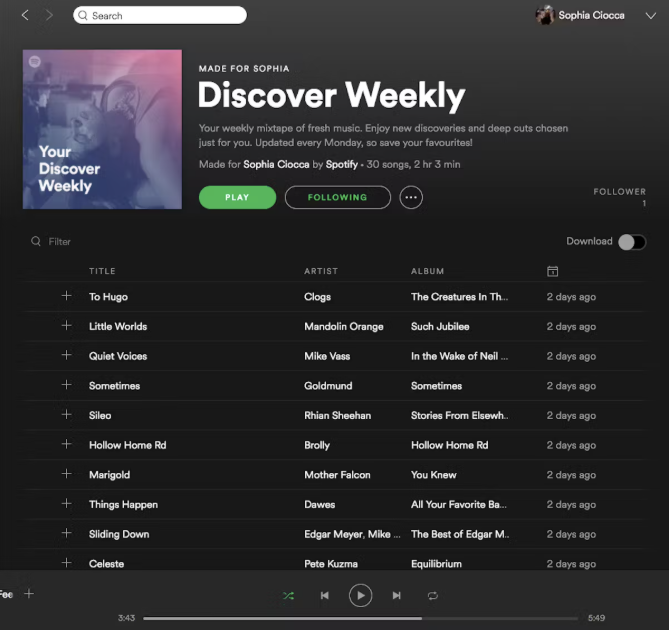
Spotify uses machine learning to curate Discover Weekly playlists. Over 60 percent of users say these recommendations improve their overall experience, according to Spotify’s 2023 data.
These examples demonstrate how marketing tasks that once required hours of human input now run seamlessly on autopilot.
The Case for Marketing on Autopilot
Data Driven Precision
Marketing automation thrives on vast amounts of data. Algorithms track clicks, purchases, and browsing behaviour in real time. McKinsey reports that companies leveraging customer behaviour data outperform peers by 85 percent in sales growth and more than 25 percent in gross margin.
Predictive Adaptation
AI systems not only react to customer actions but also anticipate them. Amazon’s recommendation engine is credited with driving 35 percent of the company’s revenue. Predictive analytics tools can suggest products before the customer realises they need them.

Efficiency and Scale
A self driving marketing engine can operate across platforms and time zones without fatigue. Gartner predicts that by 2026, 80 percent of B2B marketing interactions will occur in digital channels powered by automation.
Cost Optimisation
Automation reduces human error and labor costs. Google reports that advertisers using AI-driven Smart Bidding see a 20 percent average increase in conversion value compared to manual bidding.
Why Marketing Still Needs Humans
Creativity and Storytelling
Algorithms can recommend a product but cannot create a compelling brand story. Nike’s “Dream Crazy” campaign, led by human creatives, sparked global conversation and cultural relevance. Automation alone could not replicate that.
Ethical Oversight
AI systems can unintentionally reinforce bias or exploit sensitive data. A well-known example is the 2019 controversy over targeted political advertising on Facebook, which highlighted the risks of leaving decisions entirely to algorithms. Human oversight ensures campaigns align with brand values and ethical standards.
Strategic Vision
AI can optimise existing processes but does not define a company’s mission or long term goals. Strategy requires a blend of cultural awareness, empathy, and forward thinking that automation lacks.
Crisis Management
Marketing missteps require immediate human judgment. In 2017, Pepsi’s ad featuring Kendall Jenner faced backlash for trivialising social justice movements. An automated campaign optimiser would not have understood the cultural nuance that made the ad problematic.
Real Time Opportunities Emerging from Automation
- Dynamic pricing in e-commerce: Retailers like Amazon adjust prices multiple times per day using AI, creating both marketing and revenue opportunities.
- Conversational commerce: WhatsApp and Messenger bots are being used by brands like H&M to guide shoppers through the purchase journey in real time.
- Voice search optimisation: With the rise of smart speakers, 58 percent of consumers now use voice search to find local business information, according to BrightLocal. This requires marketers to rethink SEO strategies for conversational queries.
- Programmatic advertising: Insider Intelligence estimates that 91 percent of all US digital display ad dollars will be transacted programmatically in 2025, much of it guided by AI bidding systems.
These are not speculative trends. They are evidence that marketing is already partway down the road to autonomy.
Preparing for the Balance
So can marketing run on autopilot? The answer is partly yes, but with important caveats.
- Human plus machine: The most effective model is hybrid. Automation handles scale, while humans provide creativity and oversight.
- Ethics and transparency: Brands must communicate clearly how consumer data is used. Trust is essential in an automated ecosystem.
- New skills: Marketers should invest in AI literacy to guide, interpret, and manage automated systems effectively.
- Experimentation: Early adoption of AI tools, from chatbots to predictive analytics, creates competitive advantage.
Conclusion
Marketing today is already running partly on autopilot. Algorithms optimize bids, AI tools personalise content, and automated systems handle customer interactions at scale. Yet none of this replaces the role of people.
Strategy, creativity, and ethical judgment remain the driver of real impact. The future of marketing belongs to those who embrace automation without surrendering the human touch.


Adxom is a global SEO and link-building platform
trusted by startups, agencies, and brands to grow
rankings with fast, reliable, hassle-free results.
