Beyond the Speed Limit: Core Web Vitals in 2025
 (32).png)
In 2025, technical SEO has matured. Once, the focus was mostly on keywords, backlinks, and raw speed. Now the vectors of performance, user experience, mobile context, and trust combine into far more complex signals. Core Web Vitals (CWV) remains central—but what counts is evolving. In this article we explore what has changed, what to expect going forward, and how businesses can stay ahead.
What Are Core Web Vitals (Quick Refresher)
Core Web Vitals are a set of performance metrics defined by Google intended to measure real-user experience on three dimensions:
Loading — how fast the main content is visible to users (Largest Contentful Paint, LCP)
Interactivity — how quickly a page responds to user inputs (formerly First Input Delay, now replaced by Interaction to Next Paint, INP)
Visual stability — how much layout shifts as content loads (Cumulative Layout Shift, CLS)
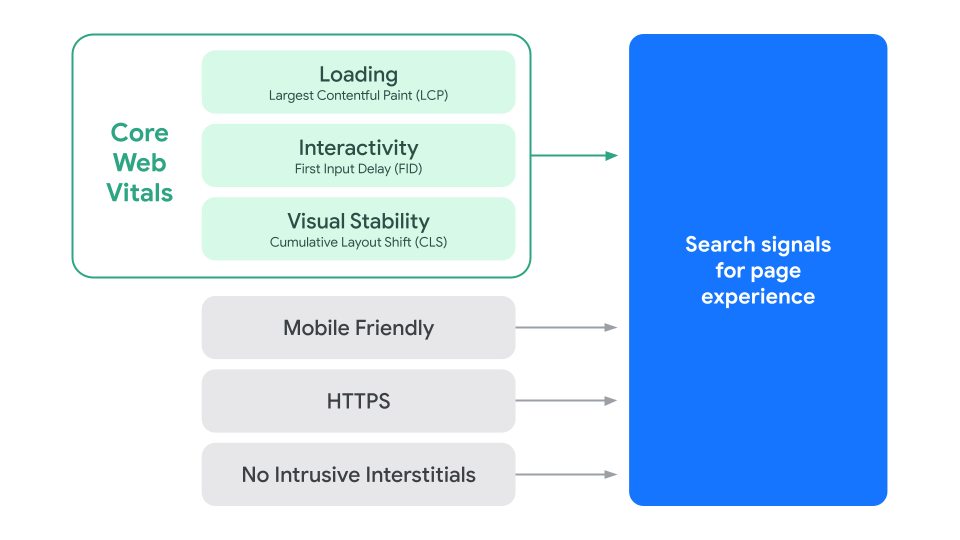
These metrics are part of Google's Page Experience signals and affect rankings as well as user retention and conversions.
What Has Changed in 2025: Beyond Just “Make It Faster”
FID → INP: More Comprehensive Responsiveness Measurement
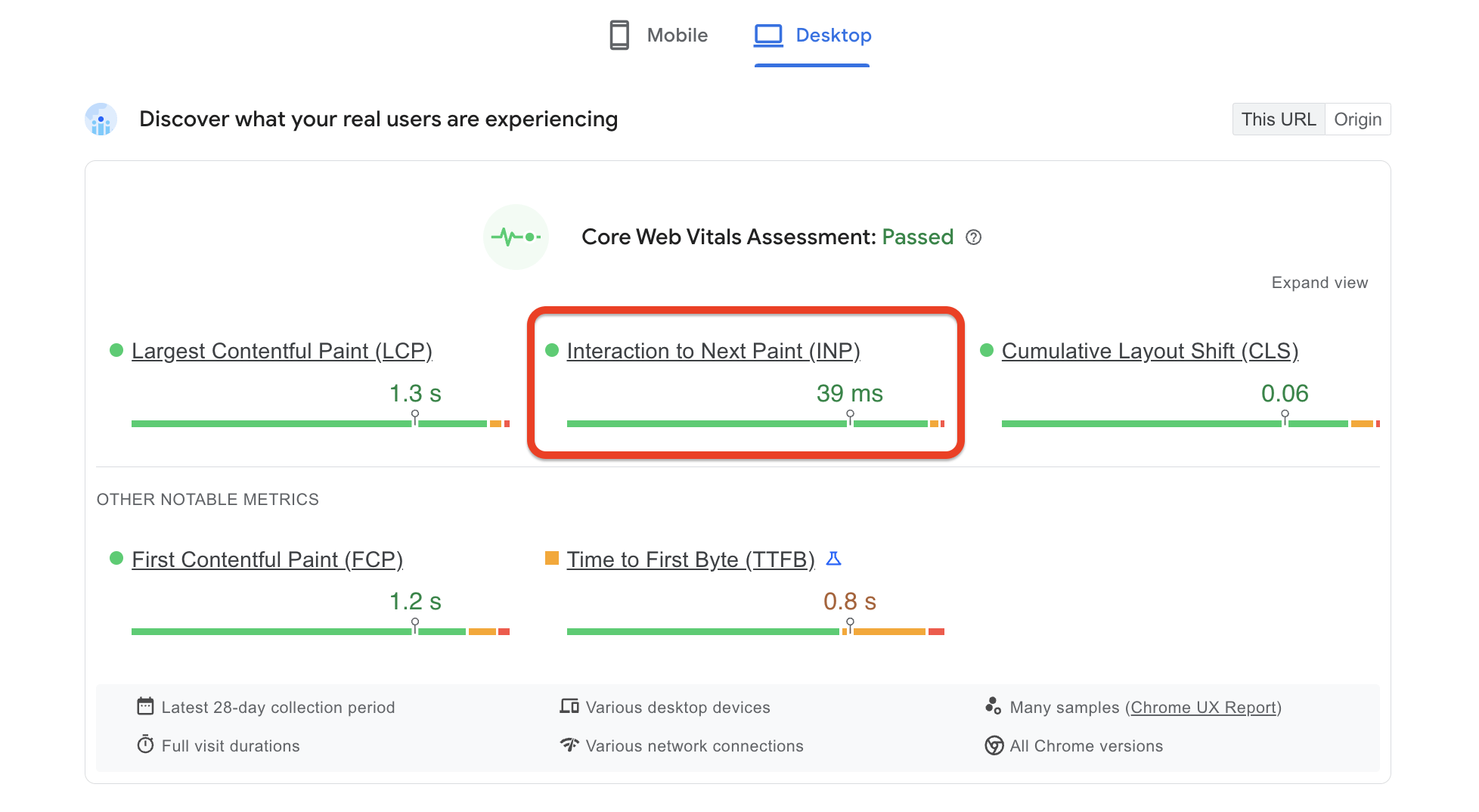
Google officially replaced First Input Delay (FID) with Interaction to Next Paint (INP) in March 2024. INP evaluates responsiveness across all interactions, offering a more realistic picture of user experience.
Stricter Benchmarks and More Variation by Context
Benchmarks for LCP, CLS, and INP have become tighter. Field data now matters more than lab testing. What passed last year may now fall into “needs improvement”.
Mobile-First Is Fully In Force
With mobile-first indexing fully rolled out, poor performance on mobile devices can impact an entire domain’s rankings.
Real-User Metrics and AI-Driven Evaluation
Google relies heavily on real-user metrics through the Chrome UX Report (CrUX). Field data reflects how visitors actually experience your site, unlike synthetic tests.
E-E-A-T and Trust Signals
Google’s Experience, Expertise, Authoritativeness, and Trustworthiness (E-E-A-T) framework ties closely to technical performance. Poor UX undermines trust, while secure connections, accessibility, and consistent authorship support credibility.
Why This Matters for Businesses
Ranking stability: Sites falling below CWV thresholds risk losing visibility.
User retention: Slow or unstable pages drive higher bounce rates.
Revenue: Faster, more stable experiences consistently improve conversion rates.
Brand trust: Performance contributes to perceived authority and professionalism.
Real-World Case Studies: Core Web Vitals in Action
The Economic Times

With over 45 million monthly active users, The Economic Times optimised its Largest Contentful Paint (LCP) and Cumulative Layout Shift (CLS) to improve reader experience. The results were dramatic:
- CLS improved by 250% to 0.09
- LCP improved by 80% to 2.5 seconds
- Bounce rates reduced by 43% overall
Yahoo! JAPAN

As one of the largest media companies in Japan with over 79 billion monthly page views, Yahoo! JAPAN tackled major CLS issues. After optimizations:
- Page views per session increased by 15.1%
- Session duration rose by 13.3%
- Bounce rates dropped by 1.72%
What Comes Next
More nuanced interactivity metrics — Google may expand beyond INP to capture gestures, scrolls, and multi-step interactions.
Personalised thresholds — Benchmarks could be adapted by device performance and network conditions.
Integration with generative search experiences — As Search Generative Experience (SGE) grows, high-performing sites are more likely to feature prominently.
Holistic page experience — Accessibility, security, and privacy may be increasingly weighted.
Edge technology and infrastructure — CDNs, server-side rendering, and lightweight frameworks will drive competitive advantage.
How to Respond: A Practical Checklist
Audit current performance with Google Search Console and the Chrome UX Report.
Compare mobile vs desktop to surface weak points.
Prioritise improvements in LCP, CLS, and INP using PageSpeed Insights.
Monitor continuously with dashboards that track field data.
Embed performance in workflows by setting performance budgets and integrating checks in code reviews.
Strengthen trust signals via HTTPS, accessibility, and transparent authorship.
Upgrade infrastructure with CDNs, optimised images, and efficient JavaScript frameworks.
Check Philip Walton’s video to gain a deeper understanding of LCP and different optimisation methods:
Conclusion
Core Web Vitals in 2025 are about more than speed. They now reflect responsiveness, visual stability, and overall user trust. By moving from reactive fixes to proactive strategies, businesses can maintain stronger rankings, keep users engaged, and drive higher conversions. Technical SEO is no longer optional — it is the backbone of digital credibility and competitive growth.


Adxom is a global SEO and link-building platform
trusted by startups, agencies, and brands to grow
rankings with fast, reliable, hassle-free results.
