Entity SEO: Why 'Search Everywhere' Matters?
 (35).png)
Search has always been about discovery, but the way people discover information has changed dramatically. For years, search engine optimisation was almost synonymous with Google. Ranking on the first page was considered the holy grail for marketers and businesses alike. While Google remains the dominant force, processing more than seventeen billion searches each day, it no longer represents the entire search landscape.
Discovery now happens across multiple platforms. Consumers ask questions on ChatGPT, seek product reviews on YouTube, scroll through TikTok for tutorials, and turn to communities like Reddit for trusted peer recommendations. Even Bing, once overlooked, is gaining momentum thanks to its AI integrations. The age of single-platform search has ended. We are now in the era of Search Everywhere Optimisation. At the heart of this new era is Entity SEO.
Below is a breakdown of daily search volume by platform. While Google still commands the largest share, over 20% of search activity now happens on other platforms.
 (40 x 40 cm).png)
What Is Entity SEO?
Entity SEO is the practice of optimising not only for keywords and backlinks but also for the way search engines and AI systems identify, classify, and understand concepts. An entity can be a business, a person, a product, or even an abstract idea. The key is that it must be uniquely identifiable.
Consider the example of “Apple.” It can refer to the fruit or to the technology company. Search engines determine which meaning a user intends by analysing structured data, context, and connections to authoritative sources. Optimising your business as a clearly defined entity ensures that no matter where someone searches, the right version of your brand appears, recognised as the authoritative source.
This is the power of Entity SEO. It helps you move beyond simple keyword rankings to building long-term recognition across platforms.
Why Entity SEO Matters in a Multi-Platform World
The expansion of discovery channels means that businesses can no longer afford to put all their efforts into Google alone. For younger audiences, TikTok is already a primary search engine. According to recent research, more than forty percent of Gen Z users prefer TikTok and Instagram over Google for finding places to eat. AI-powered tools like ChatGPT and Perplexity are increasingly used for product comparisons and recommendations.
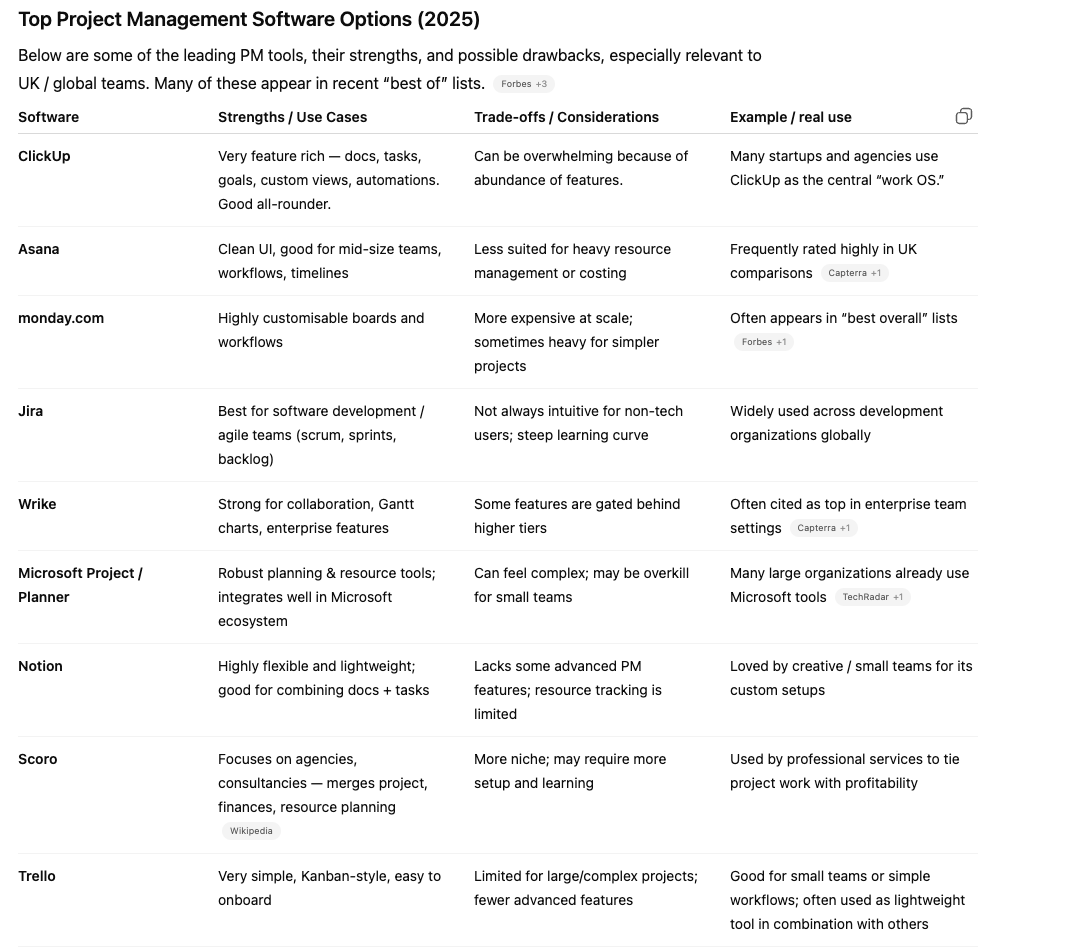
If your business is not recognised as a clear entity, you risk being invisible in these environments. For example, when users ask ChatGPT about the best project management software, tools like Asana, Trello, and Monday.com are often mentioned. Why? Because they have strong entity optimisation. They have structured schema, robust Wikipedia and Wikidata entries, consistent branding across platforms, and authoritative content that AI systems recognise and trust. Below is an example of how ChatGPT surfaces these results.
The Building Blocks of Entity SEO
Clear Entity Definition
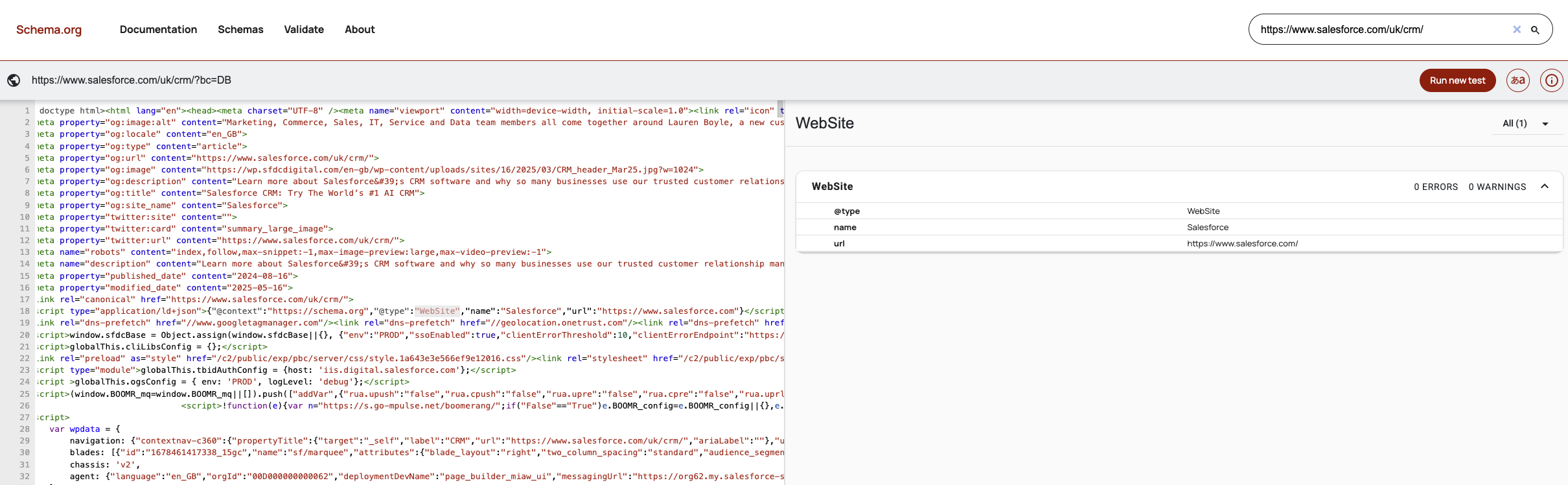
Your entity must be unambiguous. Use schema markup on your website to define your organisation, products, and services. Register your business on authoritative sources like Wikidata. Ensure your name, address, and descriptions are consistent across platforms. This clarity reduces confusion and signals to search engines that you are a distinct, credible entity.
Example: Salesforce uses structured schema to clearly define itself as a customer relationship management platform. As a result, its entity profile is strong and consistent across Google, Wikipedia, and AI-driven tools.
Source of Truth Content
Search engines and AI assistants reward accuracy. Your website should serve as the definitive source of truth for your brand. Publish clear, regularly updated pages that include FAQs, pricing details, service descriptions, and product integrations.
Example: HubSpot maintains detailed and continuously updated product pages, which AI systems often use as reference points in generated answers.

Topical Authority
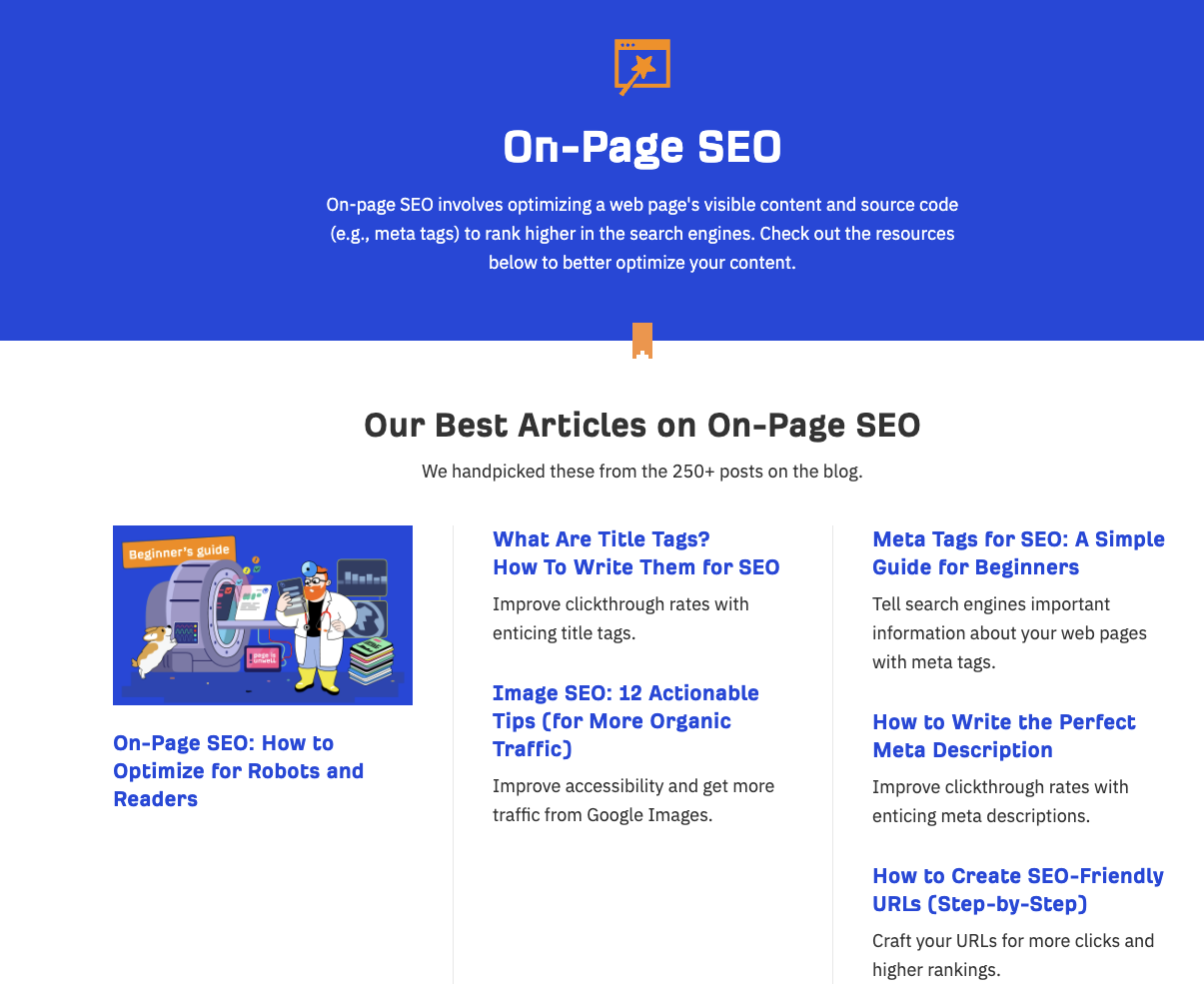
Creating one blog post on a subject is no longer enough. To demonstrate expertise, you need content hubs that cover every angle of a topic. A comprehensive approach signals that your entity is not only relevant but authoritative in its niche.
Example: Ahrefs has built topical authority around SEO by creating entire content ecosystems, from beginner’s guides to advanced tutorials and data-driven research reports.
Citations and Mentions
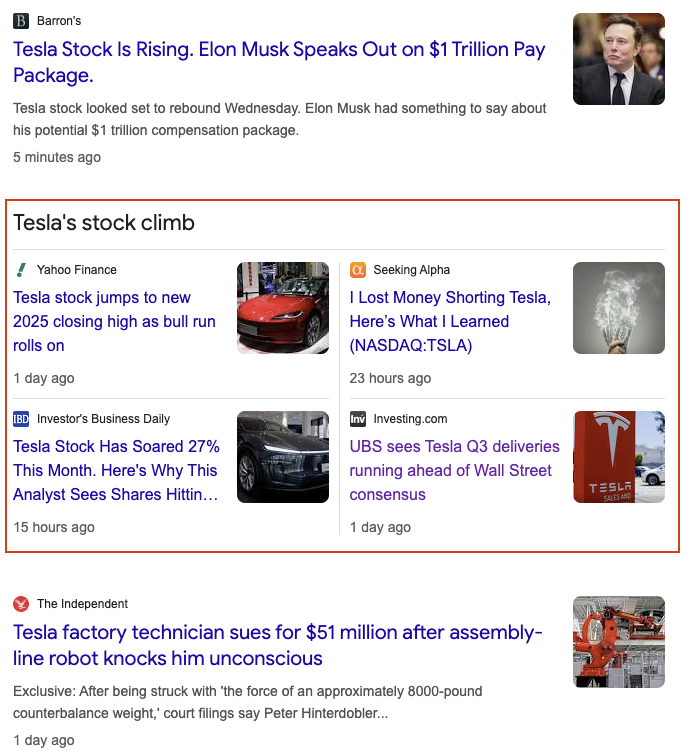
Entity strength is reinforced by how often you are referenced in trusted sources. This goes beyond backlinks. Mentions in academic articles, industry reports, or reputable media increase your visibility in AI models and search engines.
Example: When discussing electric vehicles, Tesla is consistently mentioned across mainstream news outlets, government reports, and automotive blogs. This density of citations strengthens its entity profile, making it nearly impossible for AI systems to ignore.
Author Identity
EEAT principles are central to Entity SEO. Every piece of content should make clear who wrote it, why they are qualified, and what expertise they bring. Adding author bios, linking to professional profiles, and highlighting credentials enhances both trust and discoverability.
Example: Healthline articles are signed by medical professionals and reviewed by licensed experts. This transparency not only builds user trust but also strengthens Healthline’s authority as an entity.
Community Participation
AI systems often learn from community-driven content. Being present in spaces such as Reddit, Quora, and YouTube ensures your brand contributes to the content pools that AI models consume. By consistently sharing insights in these communities, you increase the likelihood of being cited by AI-powered search.
Example: Many technology brands, including Nvidia, have strong presences on Reddit and developer forums. This has helped cement their role as entities recognised across both search engines and AI-generated outputs.
 (40 x 40 cm).jpg)
Measurement Beyond SERPs
Traditional SEO reporting stops at rankings. Entity SEO requires a broader view. Monitor mentions in AI platforms, track knowledge panel visibility, and analyse traffic from non-Google search environments. Success is no longer measured only by SERP position but by how consistently your brand is recognised across platforms.
Entity SEO and EEAT
Entity SEO and EEAT are deeply connected. To build a strong entity profile, you must show:
- Experience, by sharing case studies, product demos, or firsthand stories.
- Expertise, by creating content authored or reviewed by qualified professionals.
- Authoritativeness, by earning citations and being referenced in reputable publications.
Trustworthiness, by maintaining transparency, accuracy, and security across your digital presence.
For example, Wirecutter, owned by The New York Times, has become the go-to entity for product reviews because it demonstrates EEAT at every level. Its writers test products personally, highlight their expertise, and disclose affiliate partnerships openly. This combination of entity clarity and EEAT signals positions Wirecutter as a trusted source in both Google and AI-driven recommendations.

Wirecutter falls into the YMYL site category considering that people visit it when looking for products to spend their hard-earned money on.
So how does Wirecutter ensure its content keeps up with E-A-T standards and remains of high authority?
- By Sharing expert Opinions
- Working with real experts
- Clarifying the purpose of their content
- Update content regularly
- Creating author bios
Practical Roadmap for Businesses
To implement Entity SEO effectively, businesses can follow this roadmap:
- Audit your online presence to ensure consistent naming, branding, and schema markup.
- Create a knowledge hub on your website that functions as the source of truth.
- Develop content clusters that establish topical authority.
- Secure mentions in trusted publications and communities.
- Standardise author bios and credentials for all published content.
Monitor mentions beyond Google, including AI platforms and community-driven sites.
Conclusion
SEO is no longer limited to ranking on Google. In a world where consumers search across AI platforms, video sites, and online communities, visibility must extend far beyond traditional SERPs. Entity SEO is the strategy that ensures your brand is recognised, trusted, and recommended everywhere.
By focusing on entity clarity, building topical authority, earning citations, and embracing EEAT principles, businesses can future-proof their visibility. The future of discovery belongs to those who invest in Search Everywhere Optimisation today.


Adxom is a global SEO and link-building platform
trusted by startups, agencies, and brands to grow
rankings with fast, reliable, hassle-free results.
