A Guide to Building Backlinks That Rank
.png)
Backlinks remain one of the most powerful ranking signals in SEO. While algorithms continue to evolve, search engines still treat high-quality links as votes of credibility and trust.
But not all backlinks are created equal. Some can elevate your site to the top of the search results, while others can damage your visibility.
This guide explains how to build backlinks that actually help you rank, combining proven strategies with modern best practices.
Why Backlinks Still Matter
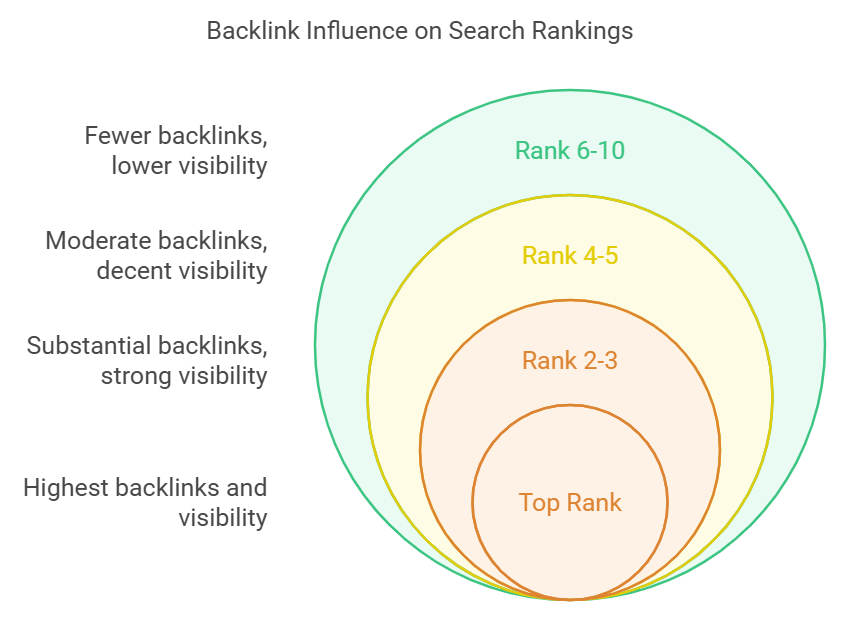
Search engines use backlinks to evaluate authority. When a trusted website links to your content, it signals that your information is credible and worth referencing. Studies consistently show a strong correlation between high rankings and strong backlink profiles.
However, Google’s systems have become smarter. It is not about chasing sheer numbers anymore, it is about securing links that are relevant, authoritative, and editorially earned.
Building backlinks that rank means focusing on quality, context, and trustworthiness.
Understanding What Makes a Backlink Valuable
Not every backlink adds value. To ensure your efforts translate into real SEO impact, look for these qualities:
- Relevance: A backlink from a site in your industry or niche carries more weight than a random mention.
- Authority: Links from sites with strong domain authority, high trust signals, and established readerships are far more impactful.
- Placement: Contextual links within body content tend to outperform links buried in footers or sidebars.
- Anchor Text: Natural, descriptive anchor text provides search engines with clarity while avoiding over-optimisation risks.
- Traffic Potential: A backlink from a site that generates real visitor engagement can bring referral traffic in addition to SEO value.
When planning your strategy, measure links not just by metrics but by whether they genuinely help users discover and trust your brand.
Proven Strategies to Build Backlinks That Rank
1. Guest Posting with Purpose
Guest posting remains one of the most reliable ways to earn quality backlinks if executed strategically. Focus on contributing to reputable blogs in your niche, offering unique, valuable insights rather than recycled content.
Tips for effective guest posting:
- Pitch original ideas that address gaps in the publisher’s existing content.
- Provide well-researched, reader-first articles that reflect your expertise.
- Avoid overloading with links, a single natural contextual link is often more powerful.
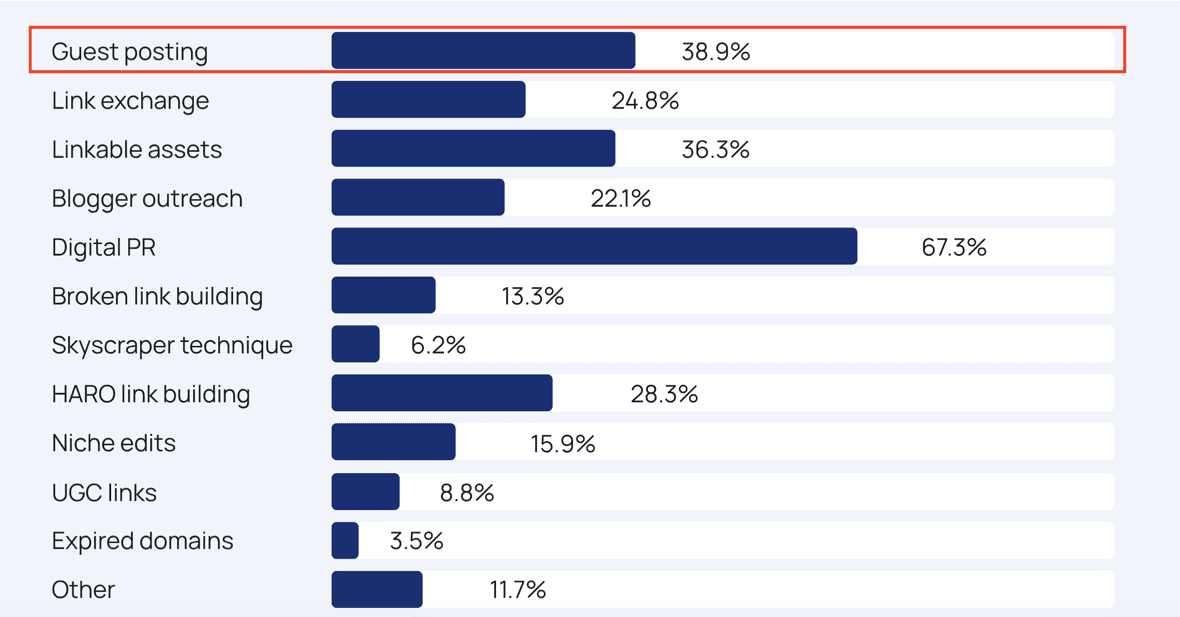
When it comes to link building, guest posting consistently proves to be the most effective approach.
2. Content That Attracts Links Naturally
The most sustainable backlinks are those you do not have to ask for. Creating content that earns links on its own is challenging but highly rewarding.
Types of link-worthy content include:
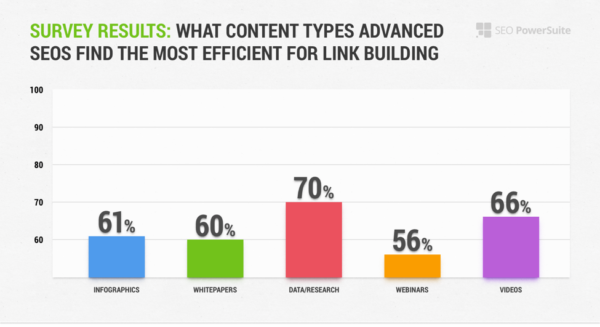
- Original Research & Data: Industry studies, surveys, and reports.
- Comprehensive Guides: In-depth resources that others will cite.
- Infographics & Visuals: Shareable assets that simplify complex topics.
- Thought Leadership Pieces: Unique perspectives that spark conversation.
When you consistently publish high-quality resources, others in your industry will naturally reference and link to them.
3. Competitor Backlink Analysis
Your competitors’ backlink profiles are a goldmine of opportunities. By studying who links to them, you can uncover sites likely to link to you.
Steps to follow:
- Use tools like Ahrefs or SEMrush to identify competitor backlinks.
- Filter for relevant, high-authority domains.
- Reach out with tailored pitches, offering your content as an additional resource.
This approach helps you replicate proven link sources while identifying gaps in your strategy.
4. Digital PR and Brand Mentions
Earning press coverage and brand mentions is one of the most powerful ways to acquire authoritative backlinks. Digital PR involves creating newsworthy stories or insights that journalists and industry publications want to cover.
Examples:
- Publishing original research findings.
- Commenting on industry trends as an expert source.
- Launching unique campaigns or reports that catch media attention.
Pairing PR with link reclamation, where you turn unlinked brand mentions into backlinks, ensures maximum visibility.
5. Resource Page and Link Roundups
Many websites maintain curated resource pages or weekly link roundups. Getting featured here can be highly effective.
To succeed:
- Identify relevant pages in your niche.
- Pitch your resource as a valuable addition.
- Ensure your content genuinely provides utility for their audience.
These links are often evergreen, driving long-term referral traffic alongside SEO value.
6. Building Relationships, Not Just Links
At its core, link building is about relationships. Reaching out purely for a link can feel transactional. Instead, focus on building connections with publishers, bloggers, and industry professionals.
Engage with their content, share insights, and position yourself as a trusted contributor. Over time, these relationships lead to natural collaboration opportunities and stronger backlinks.
Common Mistakes to Avoid
Even experienced marketers make mistakes that undermine their backlink efforts. Watch out for:
- Quantity over Quality: A handful of authoritative links often outweighs dozens of weak ones.
- Irrelevant Placements: Avoid links on sites unrelated to your niche.
- Over-Optimised Anchors: Repeating the same keyword-heavy anchor text can trigger penalties.
- Paid Link Schemes: Purchasing links at scale can result in penalties and long-term damage.
- Neglecting User Value: A backlink without real audience relevance rarely holds lasting impact.
By avoiding shortcuts and prioritising long-term trust, your backlink strategy remains sustainable.
Measuring the Impact of Backlinks
To ensure your link building delivers results, monitor key metrics regularly:
- Organic Ranking Improvements: Are your target pages climbing in SERPs?
- Referral Traffic: Are backlinks driving engaged visitors to your site?
- Domain Authority Growth: Is your overall authority improving over time?
- Conversion Impact: Do new visitors from backlinks engage with your business?
Tracking these KPIs helps you refine your strategy and double down on what works.
Final Thoughts
Backlinks remain one of the cornerstones of effective SEO, but the bar has been raised. Search engines now reward relevance, quality, and authenticity above all else.
By combining strategies like guest posting, digital PR, and competitor analysis with a focus on genuine relationships and link-worthy content, you can build backlinks that do not just exist, they rank.
Success lies in playing the long game, prioritising authority, nurturing trust, and aligning every backlink with user value.
If your goal is to secure rankings that last, this is the roadmap to follow.


Adxom is a global SEO and link-building platform
trusted by startups, agencies, and brands to grow
rankings with fast, reliable, hassle-free results.
