How to Build a Topic Map That Earns Authority in AI Search
 (34).jpg)
As AI transforms how people discover information, brands can no longer rely on scattered blogs or random SEO tactics. To build trust with both humans and AI systems, your content needs structure, clarity, and thematic depth. The foundation for this is a topic map, a deliberate network of interconnected content that signals expertise and authority.
This guide explains how to create a topic map that strengthens your position in AI search, earns citations from AI systems, and enhances your visibility across the entire discovery journey.
What a Topic Map is and Why it Matters
A topic map is a strategic framework that organises your content ecosystem around a central subject. Instead of isolated articles, it forms a connected network of pillar pages, supporting clusters, and answer-focused resources that reinforce each other.
.png)
Search engines and AI models interpret meaning through context, not just keywords. A well-structured topic map helps them understand that your brand covers a subject comprehensively. It shows depth, relationships, and credibility across every stage of the user journey.
According to a 2024 Semrush study, websites with strong topical structures recorded an average thirty percent increase in organic impressions and a higher inclusion rate in Google’s AI Overviews. Structured coverage equals stronger authority.
Step 1: Define the Core Topic and Intent Layers
Begin with your core topic, the central problem or theme your audience cares most about. From there, outline the different intent layers that mirror the customer journey: awareness, consideration, and decision.
For example, if your brand focuses on marketing automation, your core topic could be behavioral email marketing.
- Awareness might include “What is behavioural marketing
- Consideration could explore “Best behavioural email workflows
- Decision-level content might be “Top tools for behavioural automation
By organising around intent, you ensure that AI systems connect your content to a complete user experience rather than a single keyword search.
Step 2: Build Pillar and Cluster Relationships
Your pillar page should act as the authoritative hub for a major topic. It defines the subject comprehensively and links to multiple cluster pages that cover subtopics in detail. These clusters support the pillar, creating an internal ecosystem that communicates depth and expertise.
For instance, if your pillar article is “How to Dominate AI Search,” supporting clusters could include:
- Understanding the Zero Click Economy”
- Schema and Structured Data for AI Optimisation”
- Building a Topic Map That Earns Authority in AI Search”
This structure makes your content easier to navigate for users and easier to interpret for AI search systems. It helps engines like Google Gemini or Perplexity recognize you as a trusted, consistent source across related themes.
Step 3: Organise Content Around Entities, Not Keywords
AI models understand the web through entities; identifiable people, companies, products, and concepts, rather than individual words. Building your topic map around entities makes your expertise machine-readable.
For example:
- The entity “AI search” connects to “Google AI Overviews,” “Perplexity,” and “structured data.”
- The entity “behavioural marketing” connects to “user segmentation,” “trigger campaigns,” and “automation tools.”
Each entity becomes a node in your content graph. When these nodes link logically, AI systems can easily map your expertise.
A clear example of this in action is HubSpot. The company’s content around Marketing interlinks articles on a diverse range of topics such as Social Marketing, Email marketing, AEO, and more. This deep, entity-based organisation helps HubSpot appear consistently in AI summaries and search features as the definitive source on Marketing.

Step 4: Reinforce Structure with Schema
Schema markup is the connective tissue between your topic map and how AI interprets your site. Implement structured data such as Article, HowTo, FAQ, and Product schema to clearly define what each piece of content represents.
For example, if your cluster post “Optimising for AI Overviews” includes FAQ schema and links to your main pillar page, AI systems can verify the topical relationship automatically.
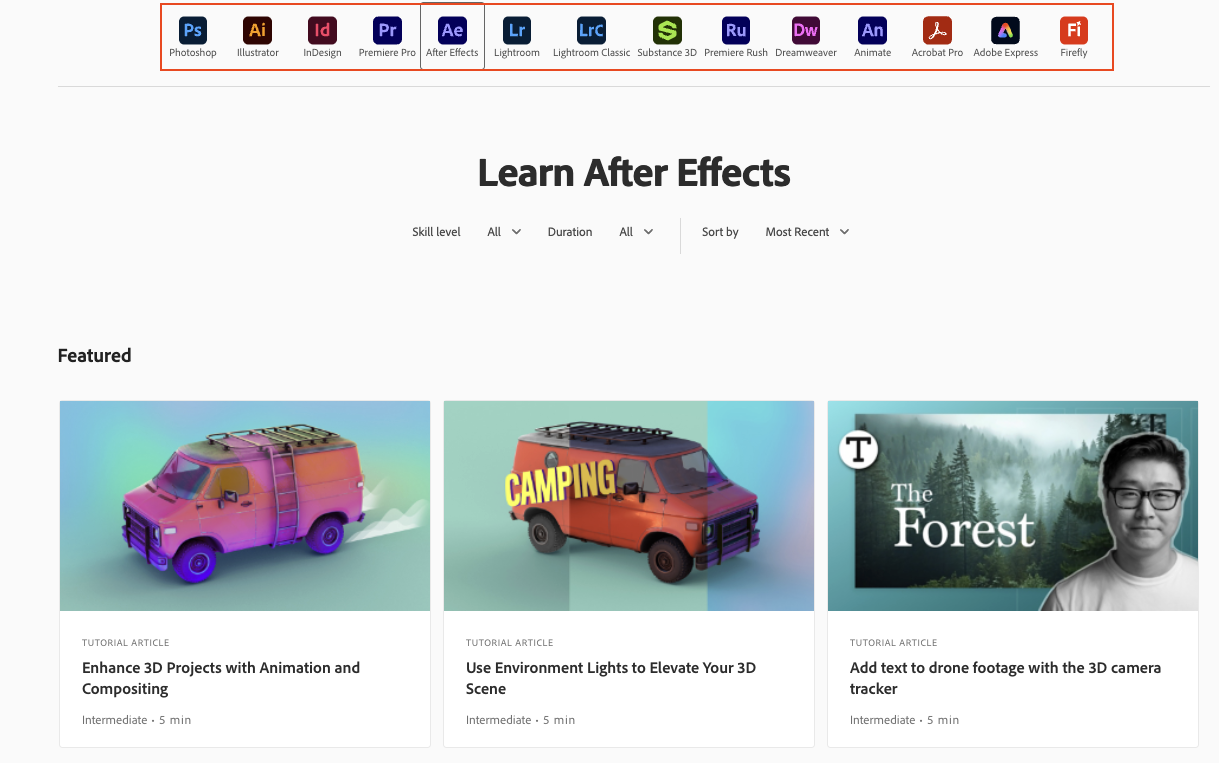
Adobe applies this method effectively. Its learning and product documentation are tightly interlinked and supported with clear schema markup. This allows AI engines to understand Adobe’s authority across design, marketing, and creativity tools with precision.
Step 5: Keep the Topic Map Fresh and Consistent
Authority is not permanent. To maintain it, you must update regularly. AI systems reward freshness and factual accuracy. Review your topic clusters every quarter and add:
- Updated statistics and visuals
- New references or data sources
- Internal links to new content
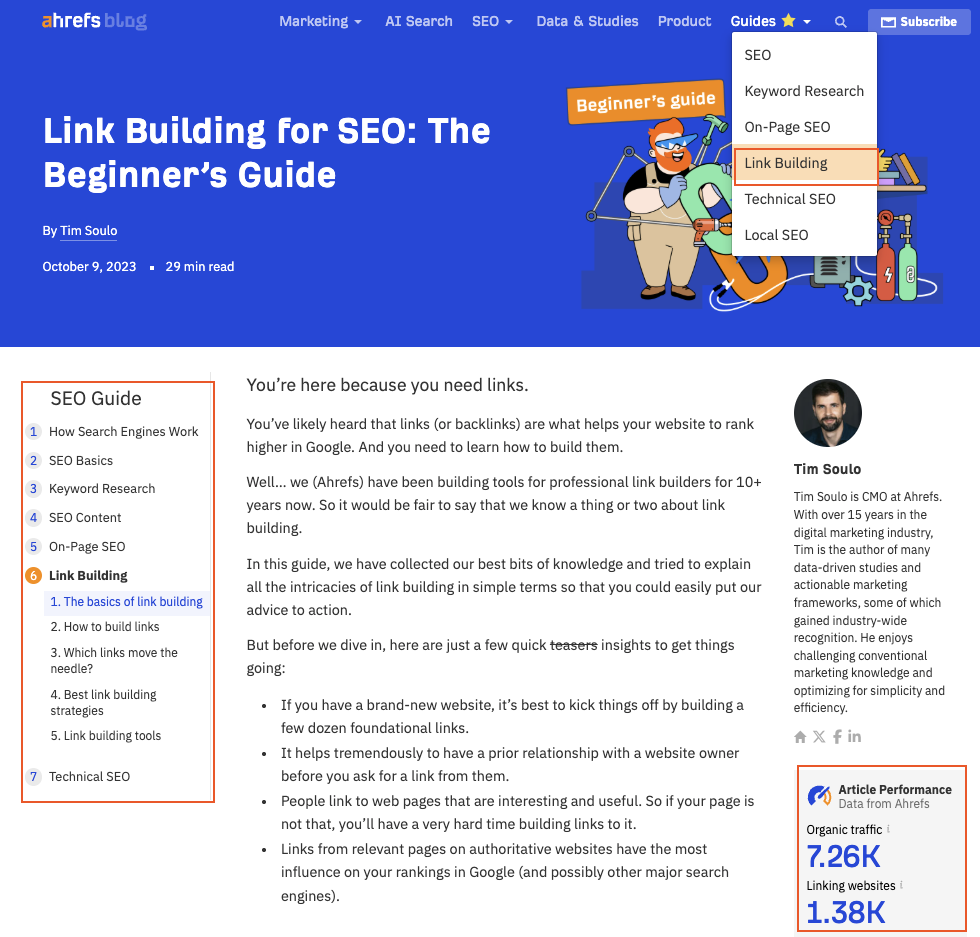
Ahrefs is a great example. Its guides on SEO metrics and link-building are consistently updated with new research and screenshots. Each update strengthens Ahrefs’ topical authority, helping it maintain top visibility in both traditional and AI-driven search results.
Step 6: Measure and Refine Your Topic Map
Once your topic map is live, track performance using metrics that reflect both human and AI visibility.
- Monitor whether your pages appear in AI summaries or Overviews.
- Check how internal links drive readers between related topics.
- Evaluate your semantic coverage to ensure you own every subtopic.
- Track external citations and backlinks that mention your content hubs.
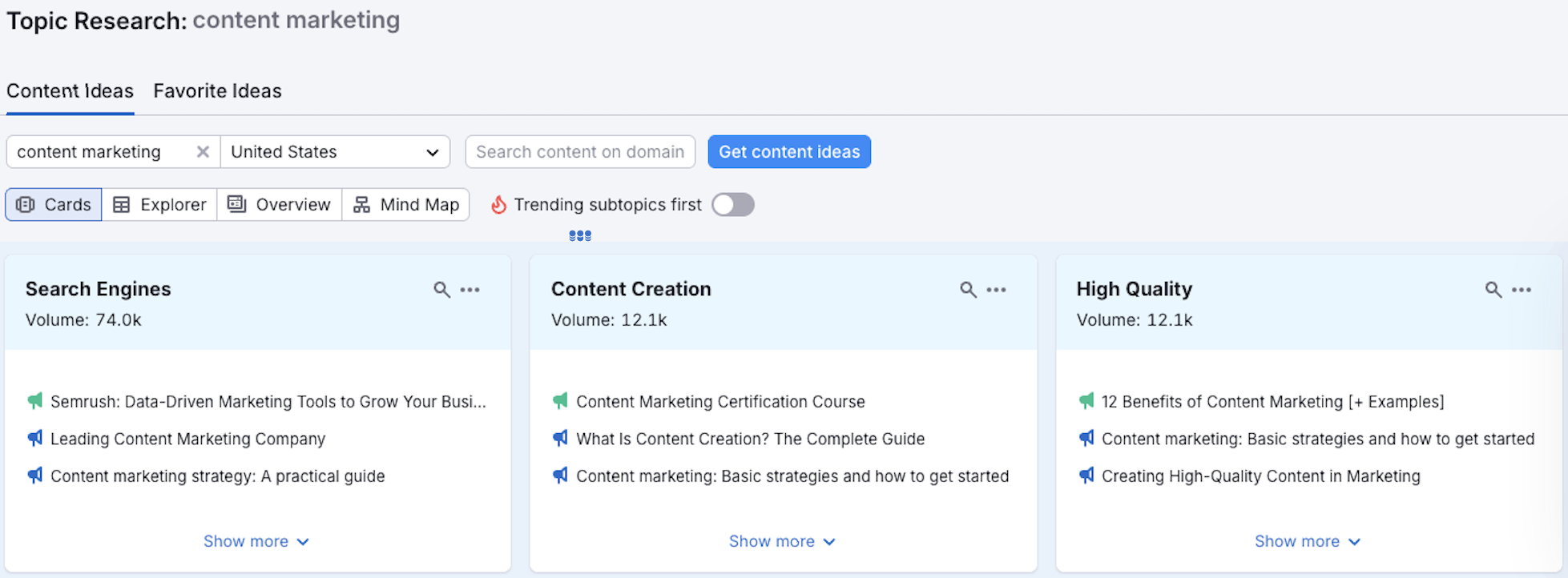
Tools such as Semrush Topic Research and Clearscope can visualise content gaps and show where AI systems may not yet recognise your authority.
Real Brand Examples of Strong Topic Maps
HubSpot
HubSpot’s Email marketing content ecosystem is a masterclass in topic mapping. Its main pillar links to comprehensive clusters on CRM usage, lead nurturing, and automation. This clarity helps AI models confidently reference HubSpot when summarising topics around marketing funnels and customer engagement.

Canva
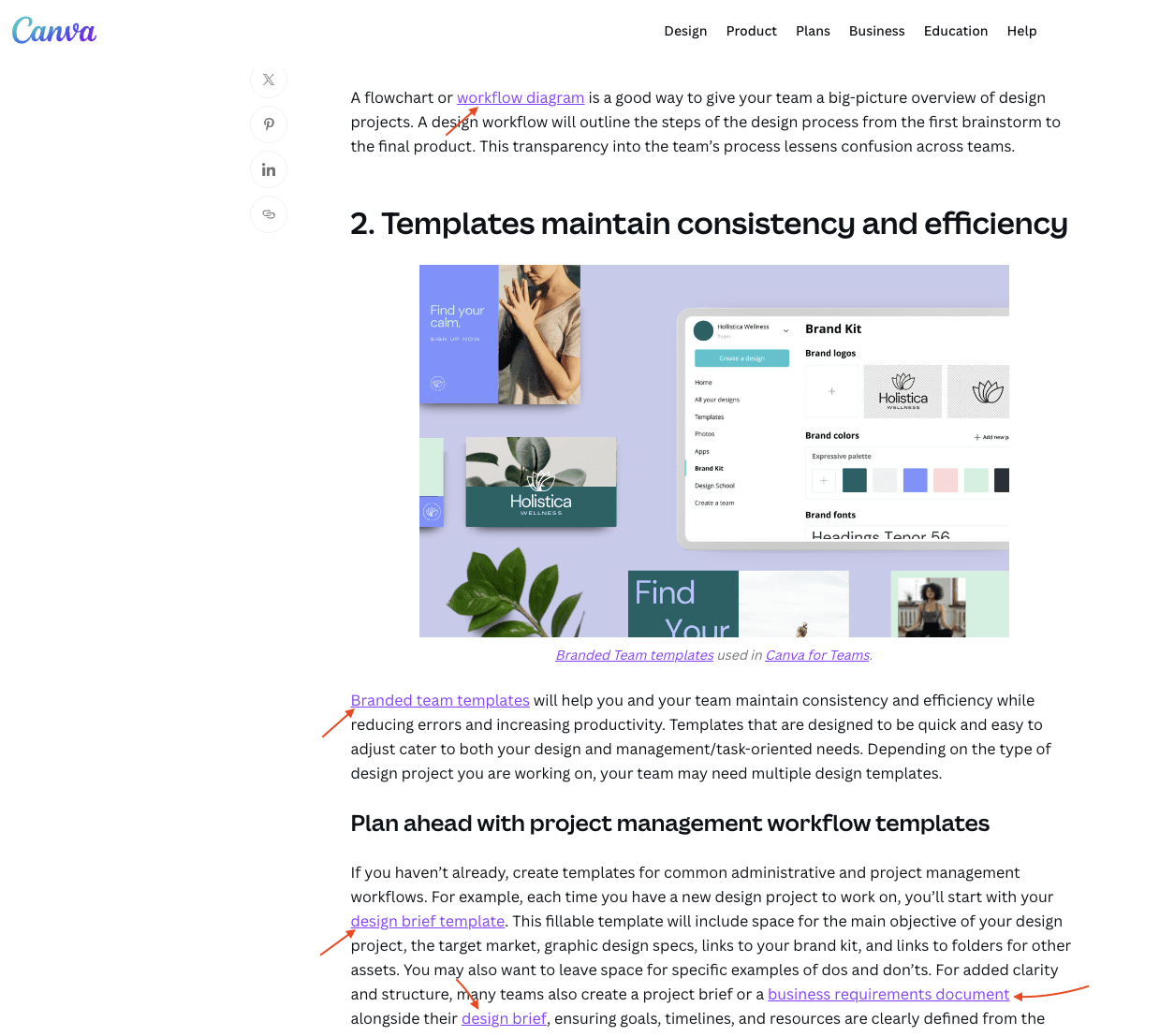
Canva’s Design Education Hub builds expertise around creativity and design literacy. Each tutorial and guide is contextually linked to related concepts like branding, templates, and presentations. This interlinked approach helps AI systems connect Canva’s name to accessible design education.
Shopify
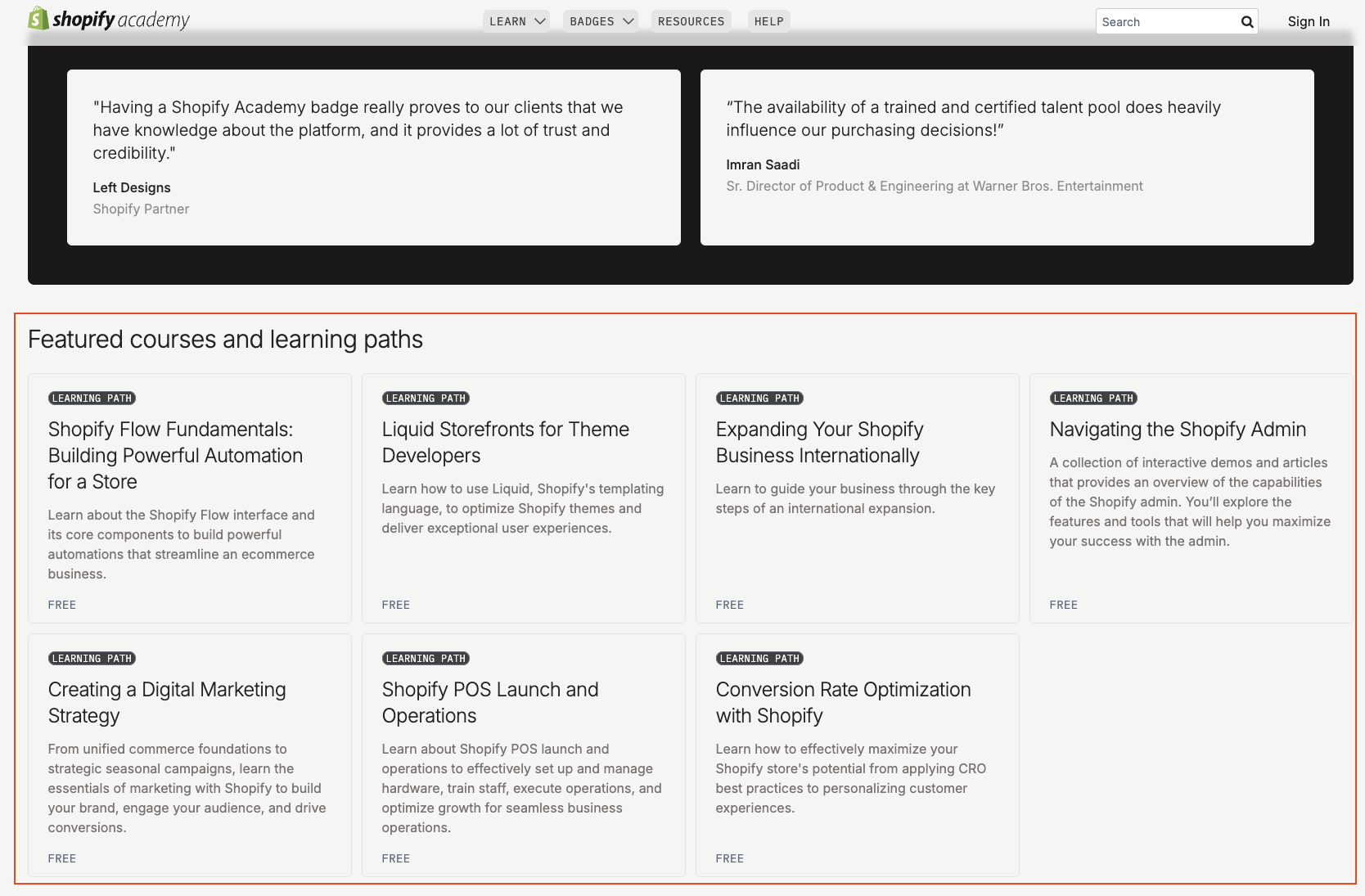
Shopify’s Ecommerce University organizes content into learning tracks covering everything from product selection to digital marketing. Each track is interconnected, and this structure makes Shopify one of the most cited brands in AI answers about ecommerce setup and strategy.
Final Thoughts
A strong topic map is the framework that transforms content from isolated articles into an interconnected web of authority. It helps AI systems understand not only what you write about but how deeply you understand your subject.
When your brand builds content around entities, connects topics with intent, applies schema, and keeps information current, you become a trusted reference that AI engines quote repeatedly.
In the evolving world of AI search, the brands that organize best are the ones that lead.
Dive into our latest blog: Uncover the connection between E-E-A-T and AI search evolution


Adxom is a global SEO and link-building platform
trusted by startups, agencies, and brands to grow
rankings with fast, reliable, hassle-free results.
