The Role of E-E-A-T in the Age of AI Search
 (45).png)
As artificial intelligence continues to transform how users discover, consume, and trust information, Google’s E-E-A-T framework — Experience, Expertise, Authoritativeness, and Trustworthiness, has taken on a new level of significance. In the age of AI-driven search, where generative engines summarise content instead of simply listing links, the importance of credibility and reliability has never been greater.
Understanding E-E-A-T in the AI Era
E-E-A-T was originally introduced by Google to help assess content quality and ensure that users receive accurate, useful, and trustworthy information. In traditional SEO, it served as a guiding principle for ranking human-authored content. However, as AI search systems such as Google’s Search Generative Experience, ChatGPT, and Perplexity AI begin interpreting, summarizing, and citing content directly, E-E-A-T has evolved into a signal of eligibility, determining which brands’ voices are credible enough to appear in AI-generated results.
AI models rely on vast datasets and semantic relationships between entities. When these models generate answers, they draw heavily from content that demonstrates clear authority, contextual coherence, and consistent brand trust. This makes E-E-A-T not just a search quality factor but a prerequisite for inclusion in the new AI search ecosystem.
Experience: Demonstrating Real-World Insight
AI search prioritises content that reflects firsthand experience. Unlike surface-level summaries or keyword-stuffed pages, AI systems can increasingly detect nuance and depth, attributes that emerge from genuine expertise.
For instance, Patagonia exemplifies the “experience” component by consistently showcasing firsthand environmental knowledge through field research and stories from its employees and partners. Its blog and sustainability reports reflect lived experience rather than abstract commentary, making its content a trusted reference point across platforms.
Similarly, Mayo Clinic leverages the experience of its medical professionals, providing evidence-based health advice authored and reviewed by experts. This clarity of voice and depth of experience not only helps it dominate traditional search results but also positions it as a reliable data source for AI-driven health queries.

Expertise: Creating Content That Reflects Authority
Expertise has long been the backbone of SEO, but AI search expands its definition. Expertise is no longer demonstrated solely through credentials; it must also be structured in a way that AI can understand and validate.
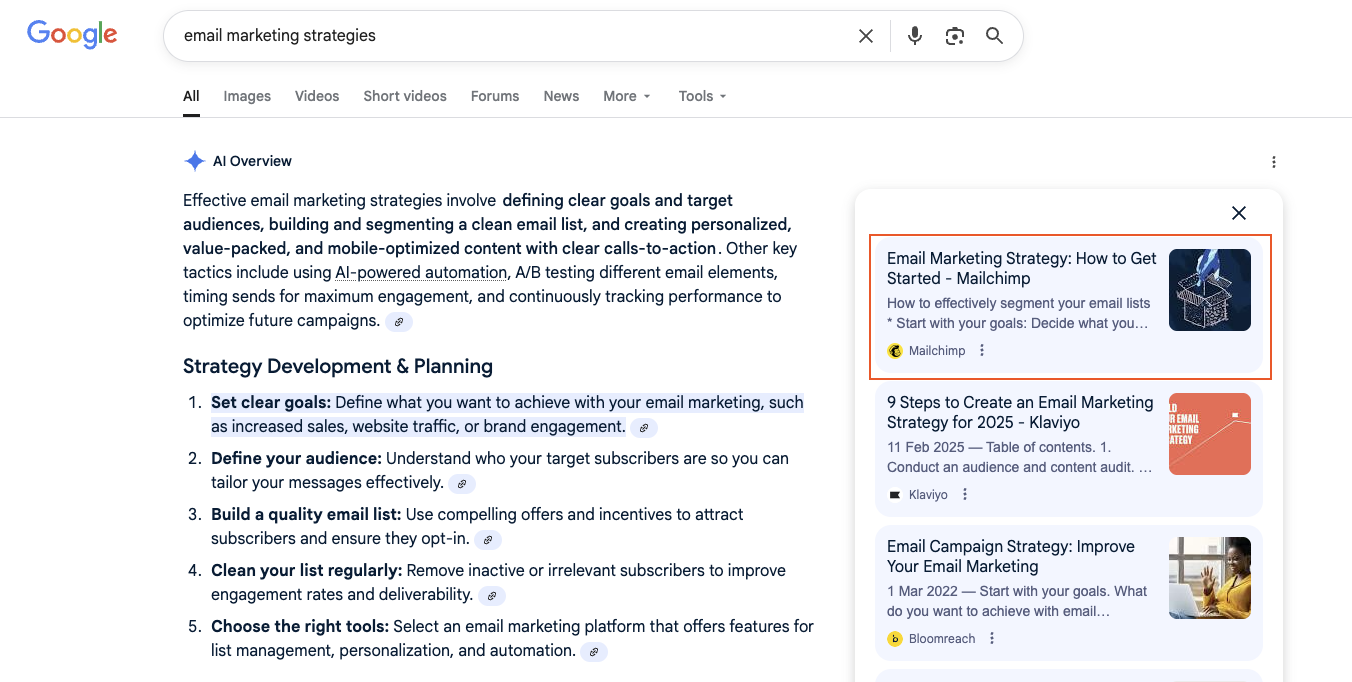
Brands that succeed here focus on topic specialisation. Mailchimp, for example, has built an extensive content ecosystem focused exclusively on email marketing, automation, and customer engagement. Its clear topical authority signals to both human readers and AI systems that it is a subject-matter expert. When generative engines pull email marketing advice, Mailchimp often appears as a cited source because of its consistent depth and domain alignment.
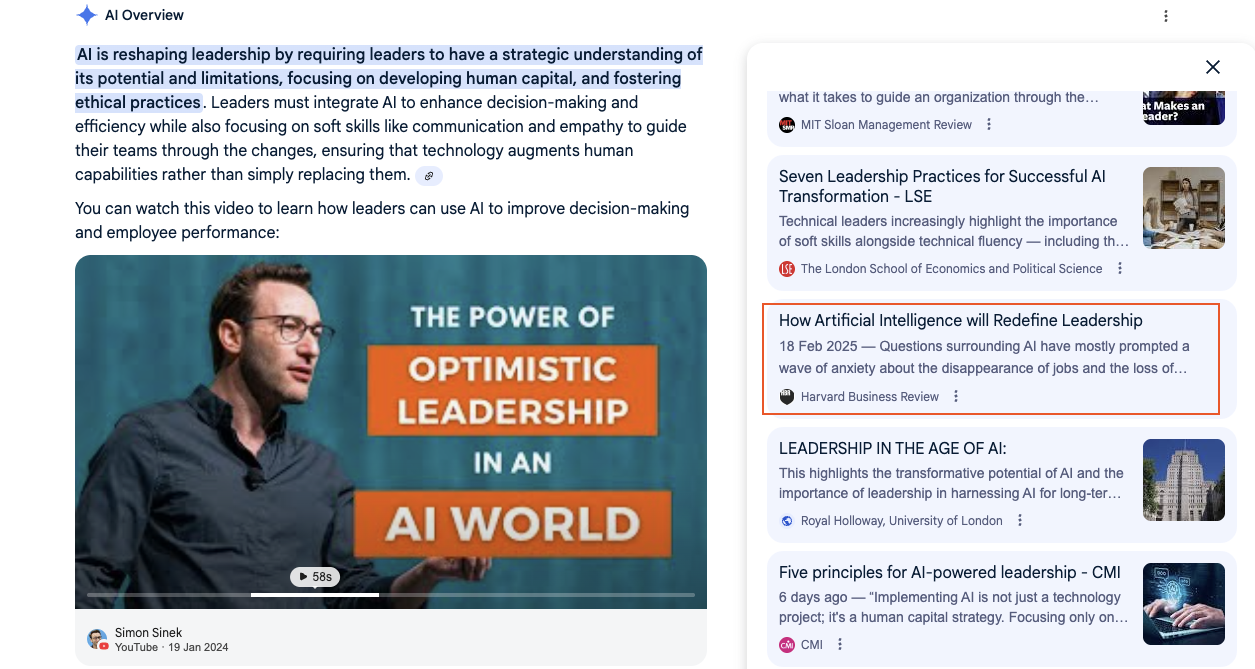
Similarly, Harvard Business Review showcases expertise through research-backed articles written by academics and industry leaders. Its content is well-structured, data-driven, and contextually rich, characteristics that align closely with AI’s content evaluation mechanisms.
Authoritativeness: Building a Recognised Brand Voice
Authority now extends beyond backlinks. It encompasses reputation, mentions, and the consistency of your brand across platforms. AI models often cross-reference multiple sources to validate authority, giving an advantage to brands with a unified digital footprint.
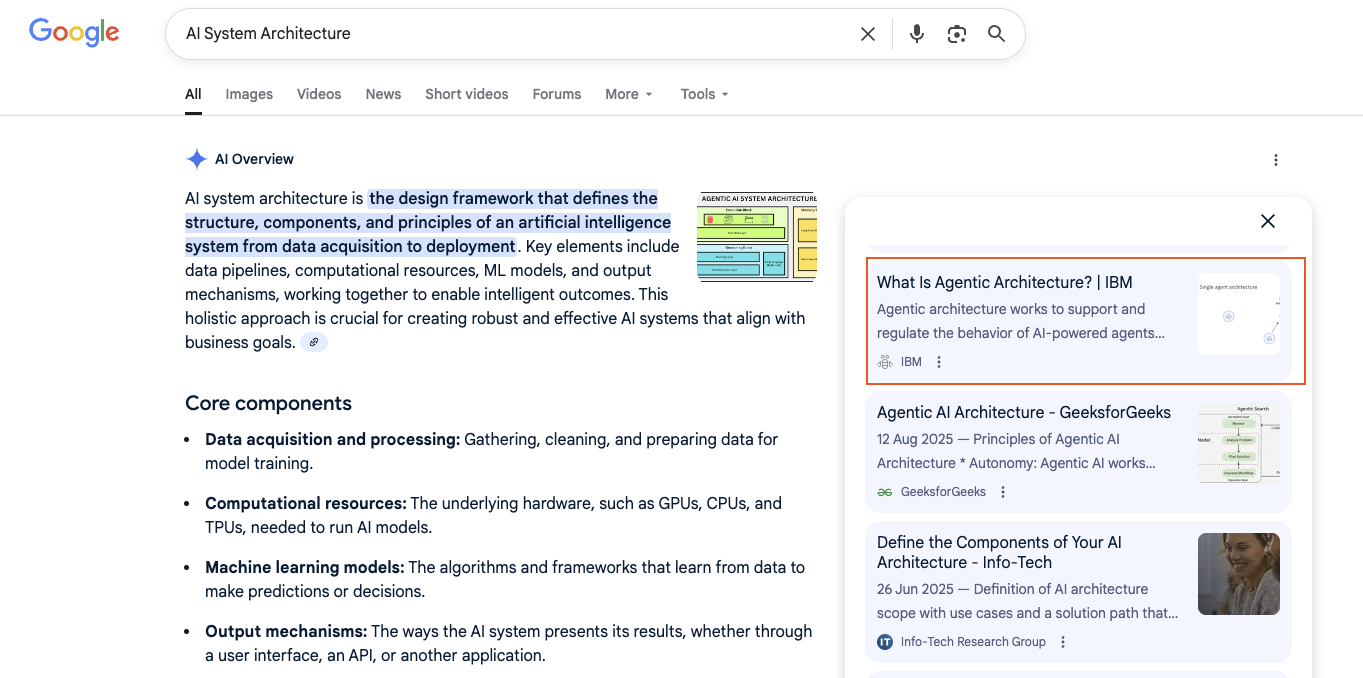
For example, IBM has established authority in artificial intelligence and enterprise technology by maintaining cohesive thought leadership across its blog, social channels, and research publications. When AI models encounter recurring associations between IBM and innovation, they reinforce IBM’s authority on those subjects.
In another case, The New York Times maintains authoritativeness through journalistic integrity and a strong reputation for accuracy. Its name frequently appears in AI-generated responses, not only because of its domain strength but because the brand itself has become synonymous with verified information.
Trustworthiness: The Foundation of All Signals
Trustworthiness ties together the other three elements of E-E-A-T. In an AI-driven search environment where misinformation can propagate rapidly, trust becomes the currency of discoverability.
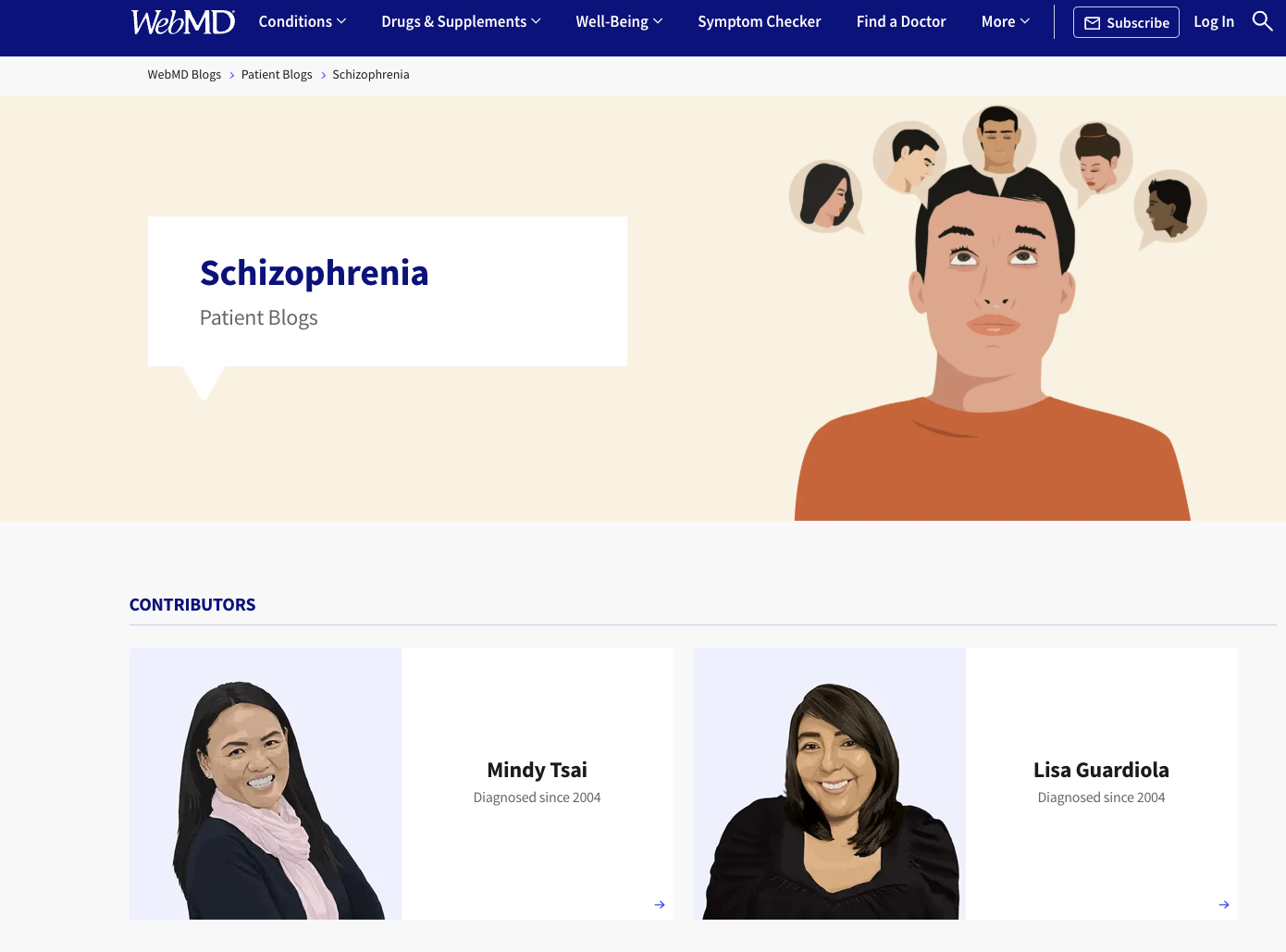
Transparent sourcing, visible author credentials, updated information, and secure site practices are all critical. WebMD, for instance, ensures trust by disclosing its medical review process and listing qualified professionals for every article. This transparency builds user confidence and helps AI systems recognise the reliability of its information.
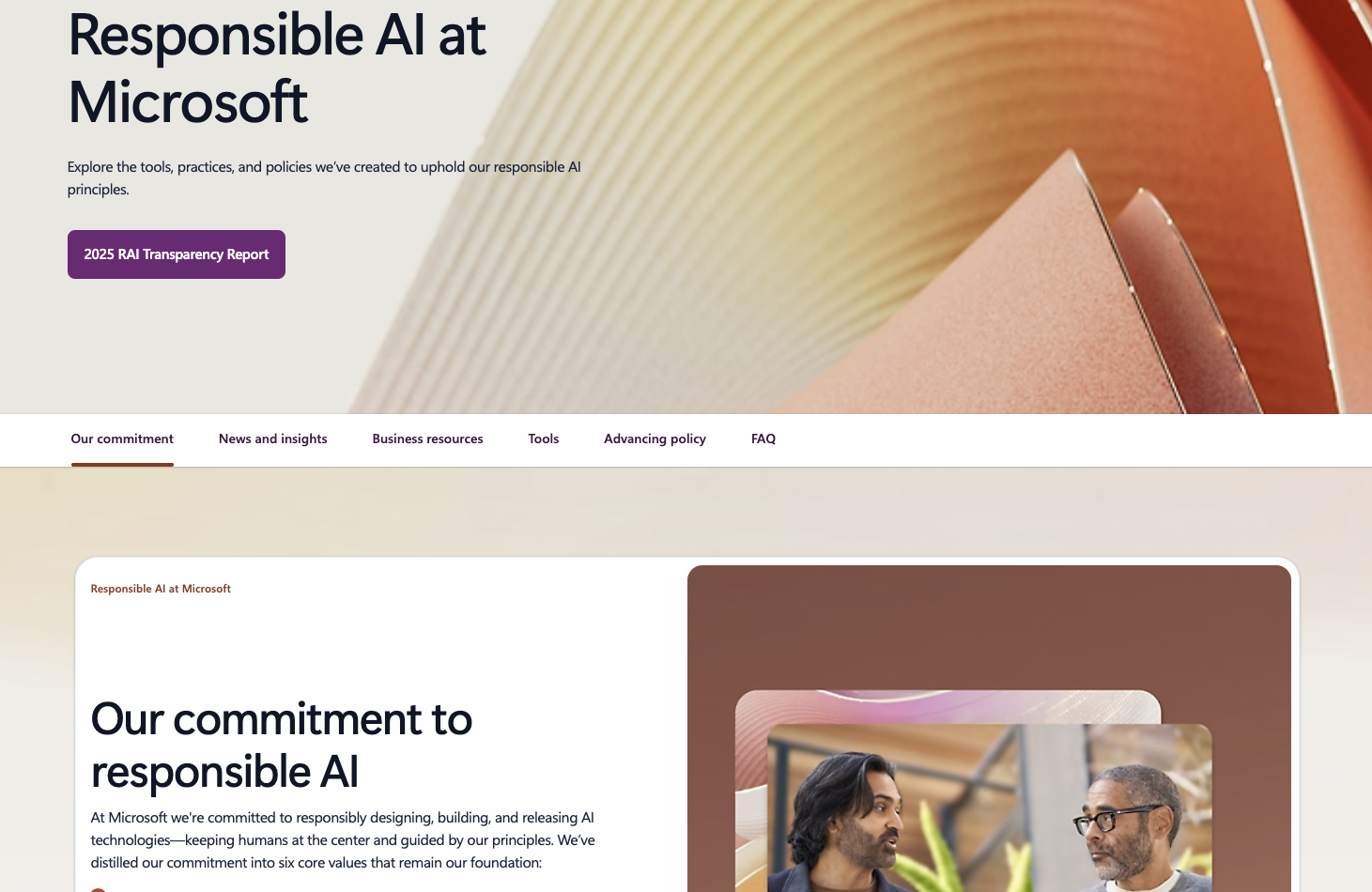
Likewise, Microsoft reinforces trust through its Responsible AI initiatives, publicly sharing its principles, testing frameworks, and accountability practices. By aligning corporate behavior with published values, Microsoft enhances both brand perception and algorithmic trustworthiness.
Integrating E-E-A-T into AI Search Optimisation
To adapt to AI-driven search, marketers must view E-E-A-T not as a checklist but as a long-term brand strategy. Incorporating structured data and entity markup can help AI systems interpret content contextually. Author profiles, verified sources, and clear citations should be embedded into all digital assets.
Brands should also consider the consistency of their expertise across every channel including their website, LinkedIn, podcasts, and video platforms, since AI search engines synthesize information from multiple modalities.
The Future of E-E-A-T in Generative Search
As AI continues to evolve, the gap between credible and surface-level content will widen. Brands that invest in genuine expertise, transparent communication, and consistent digital identity will be the ones cited, summarised, and surfaced by the next generation of search systems.
E-E-A-T is no longer just a metric for ranking; it is the backbone of trust in an algorithmic world. The brands that embody it will not only dominate search but define it.
For a deeper look into practical strategies and future trends, explore our in-depth blog on how to dominate AI search.


Adxom is a global SEO and link-building platform
trusted by startups, agencies, and brands to grow
rankings with fast, reliable, hassle-free results.
