Toxic Backlinks: What They Are and How to Find Them
 (82).png)
Backlinks remain one of the strongest ranking signals in search engines. However, not all links help your site. Some actively harm it. These are commonly referred to as toxic backlinks.
This guide explains what toxic backlinks are, why they matter, how to identify them, and how to document them using common SEO tools. Real‑world scenarios are included, along with clear suggestions for screenshots you can add to support the content visually.
What Are Toxic Backlinks?
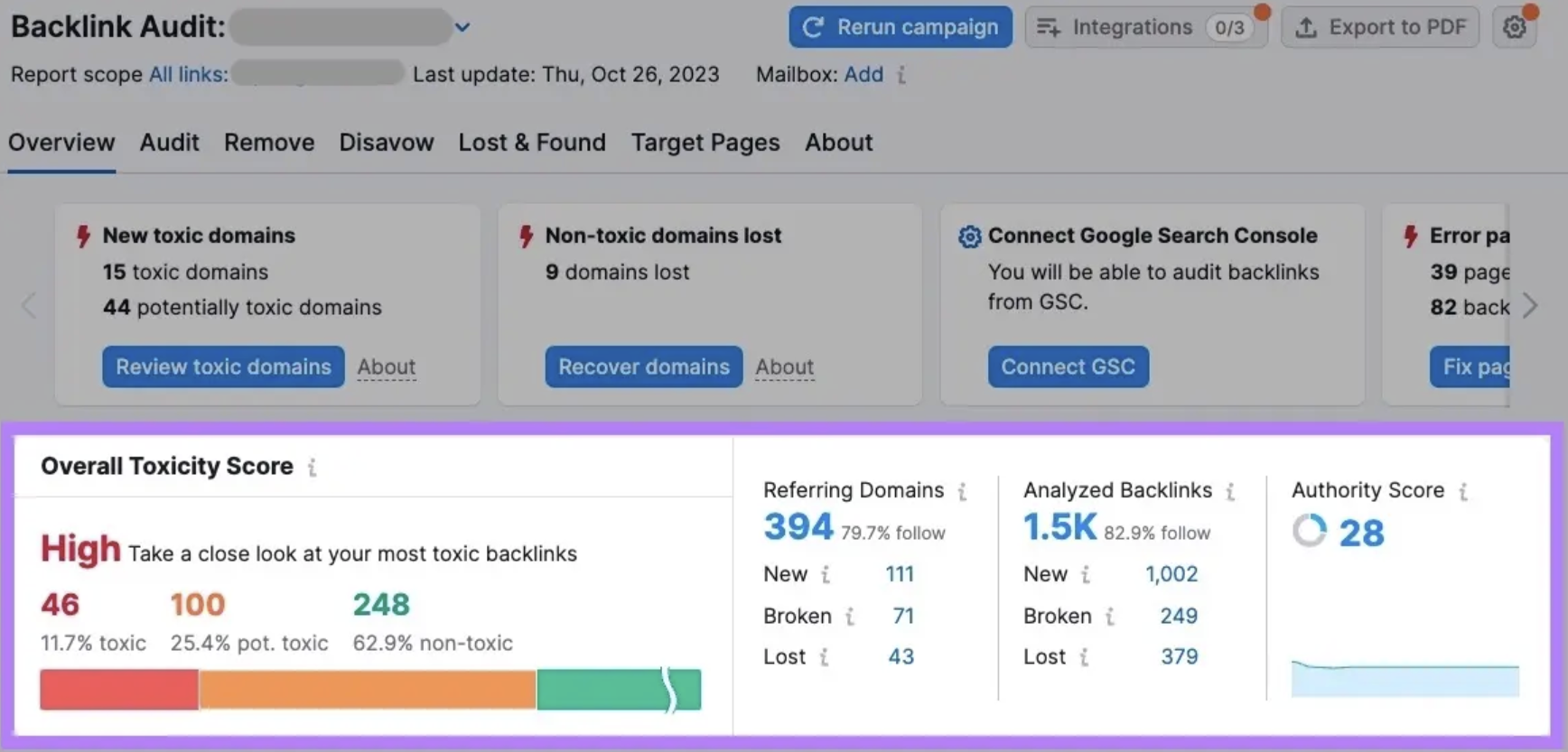
Toxic backlinks are inbound links that violate search engine guidelines or strongly signal manipulation rather than editorial value. These links typically come from low‑quality, irrelevant, or spam‑driven sources and can reduce trust in your domain.
Google uses backlinks as a signal to assess a website’s authority and credibility. Links earned naturally through relevant, editorial content can reinforce SEO performance, whereas links generated through manipulative or artificial tactics are typically discounted or devalued by Google’s systems.Search engines do not penalise sites for every bad link they receive. The risk arises when there is a clear pattern of unnatural link building or when toxic links dominate a site’s backlink profile.
How AI‑Powered Search Changes the Impact of Toxic Backlinks
AI‑driven search experiences, including Google’s AI Overviews and third‑party tools such as ChatGPT and Perplexity, assess websites using broader signals of authority, trust, and credibility rather than relying solely on traditional ranking positions.
While Google’s core algorithms may simply ignore many low‑quality backlinks for ranking purposes, sustained or obvious patterns of manipulative links can still influence how trustworthy a site appears to AI systems.
In practical terms, backlink quality can affect whether a website is cited, summarised, or omitted entirely from AI‑generated responses. A clean, well‑contextualised backlink profile increases the likelihood that a site is treated as a reliable source within AI‑powered search results.
The Context‑Dependent Nature of Toxic Backlinks
Toxic backlinks are not absolute. Their impact depends heavily on context, intent, and the overall backlink profile of a site. A link that raises concern in one scenario may be entirely acceptable in another.
For example, a backlink from a gambling‑related website would be inappropriate for a children’s education platform, but it would be expected for a casino review site. Likewise, foreign‑language links may look suspicious for a local service business yet be completely normal for an international brand.
SEO tools such as Semrush’s Backlink Audit help identify potential warning signs by analysing patterns across a site’s backlink profile. However, no automated system can determine toxicity with full certainty. These tools flag risk indicators, not definitive violations.
For this reason, experienced SEO professionals manually review flagged backlinks before taking action. Rather than automatically disavowing every questionable link, they evaluate relevance, intent, and alignment with Google’s link spam guidelines. In practice, understanding intent matters far more than labelling links as simply “toxic” or “safe.”
Types of Toxic Backlinks to Watch For
Link Farms and Private Blog Networks
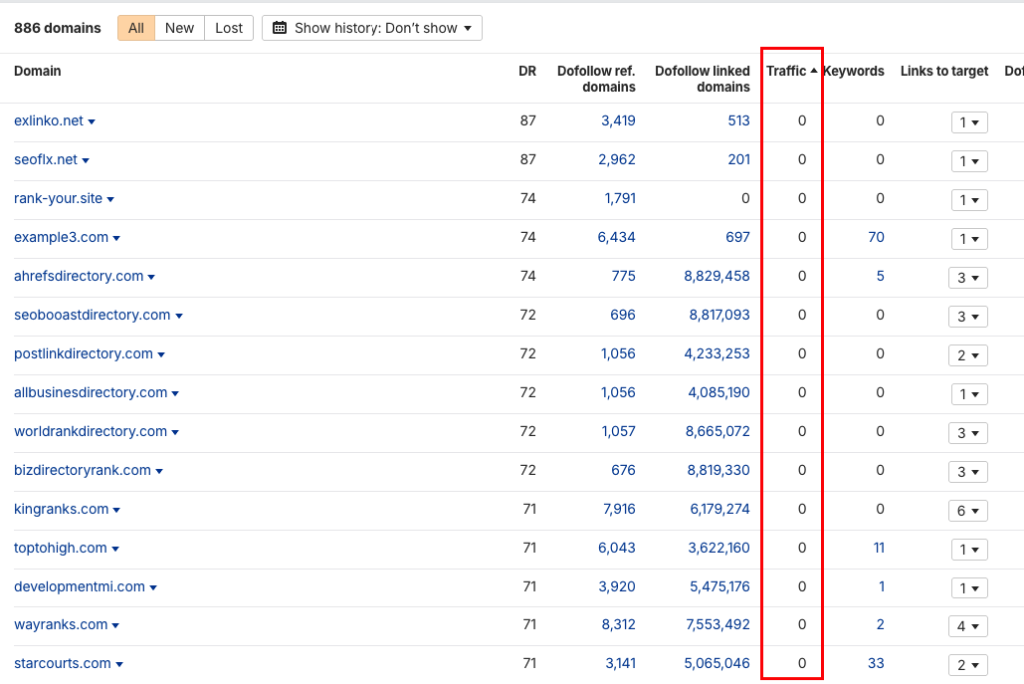
Link farms and private blog networks are collections of websites built primarily to manipulate search rankings. These sites often share similar layouts, thin or generic content, and exist mainly to host outbound links.
Common indicators include excessive outbound links, low or nonexistent organic traffic, and multiple domains linking to each other unnaturally.
Exchanging Links for SEO
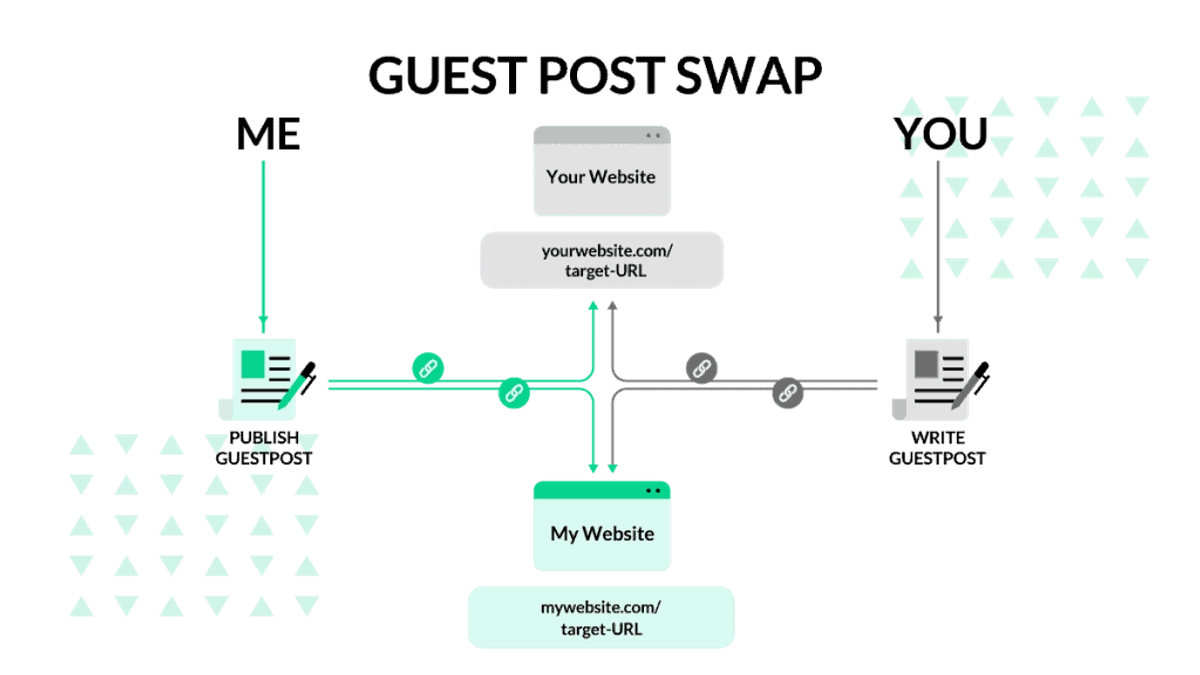
Reciprocal linking schemes, where websites agree to exchange links purely for SEO benefit, violate Google’s link spam guidelines when done at scale.
While occasional, natural cross‑references are normal, systematic link exchanges intended to influence rankings can weaken trust signals.
Using Link Building Bots
Automated link building tools and bots generate large volumes of low‑quality links across forums, blog comments, profiles, and spam pages.
These links often appear suddenly, use generic anchor text, and originate from sites with no editorial oversight.
Listing Your Business on Low‑Quality Directories
Not all directories are harmful, but low‑quality directories exist solely to host links with minimal review or relevance.
These sites typically list thousands of unrelated businesses, offer paid submissions, and provide no real value to users.
Irrelevant Foreign Domains
Backlinks from foreign‑language websites can become toxic when there is no logical connection between the linking site and your business.
For example, a local service provider receiving links from unrelated foreign blogs may signal manipulation rather than organic discovery.
Sitewide Footer and Sidebar Links
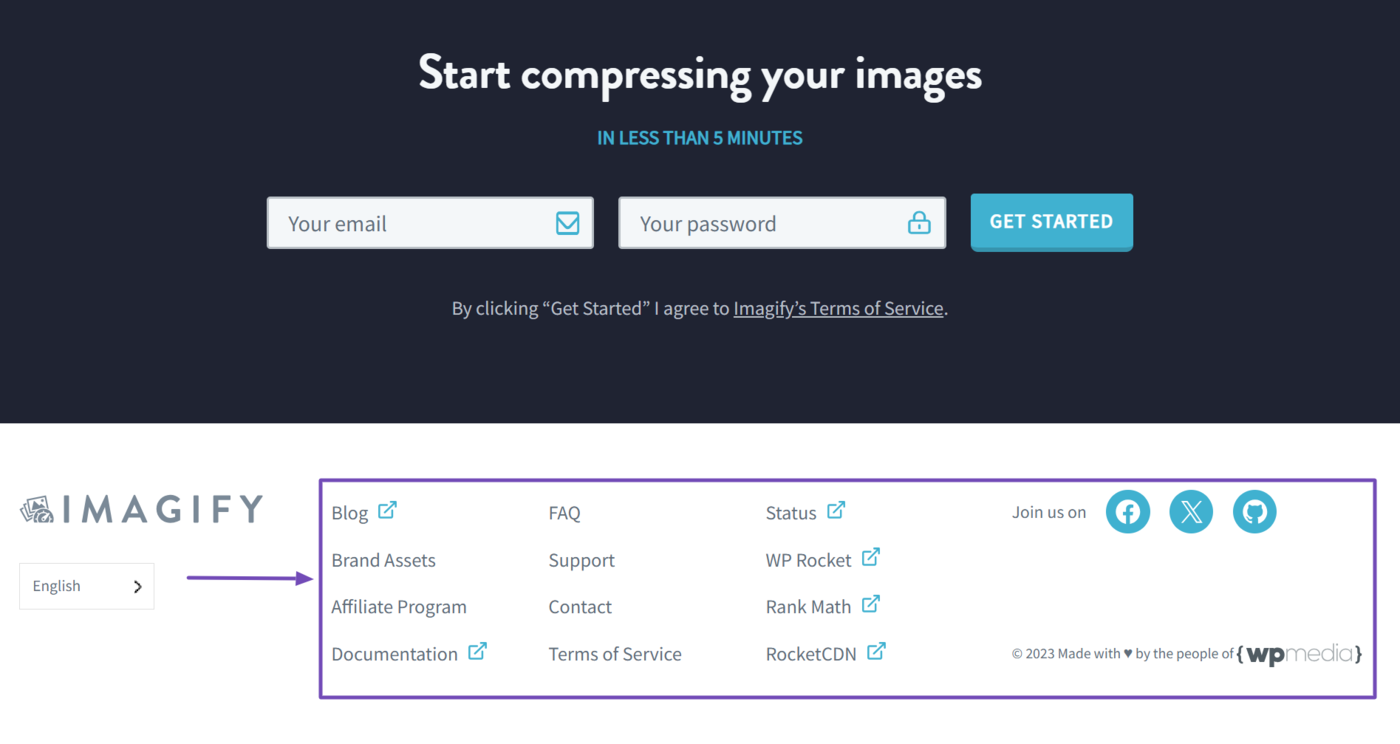
Sitewide links placed in footers or sidebars appear across hundreds or thousands of pages on a single domain.
These links become risky when they are keyword‑rich, paid, or unrelated to the site’s content. While not inherently toxic, they often amplify other risk signals.
How to Find Toxic Backlinks
Step 1: Export Your Backlink Profile
Use tools such as Google Search Console, Ahrefs, or Semrush to export a full list of backlinks.
Focus on:
- Referring domains
- Anchor text
- Link placement
- Follow vs nofollow status
Step 2: Review Referring Domains Manually
Metrics alone are not enough. Visit suspicious domains and assess them manually.
Ask:
- Does this site have real content?
- Is it relevant to my industry?
- Would this link exist naturally?
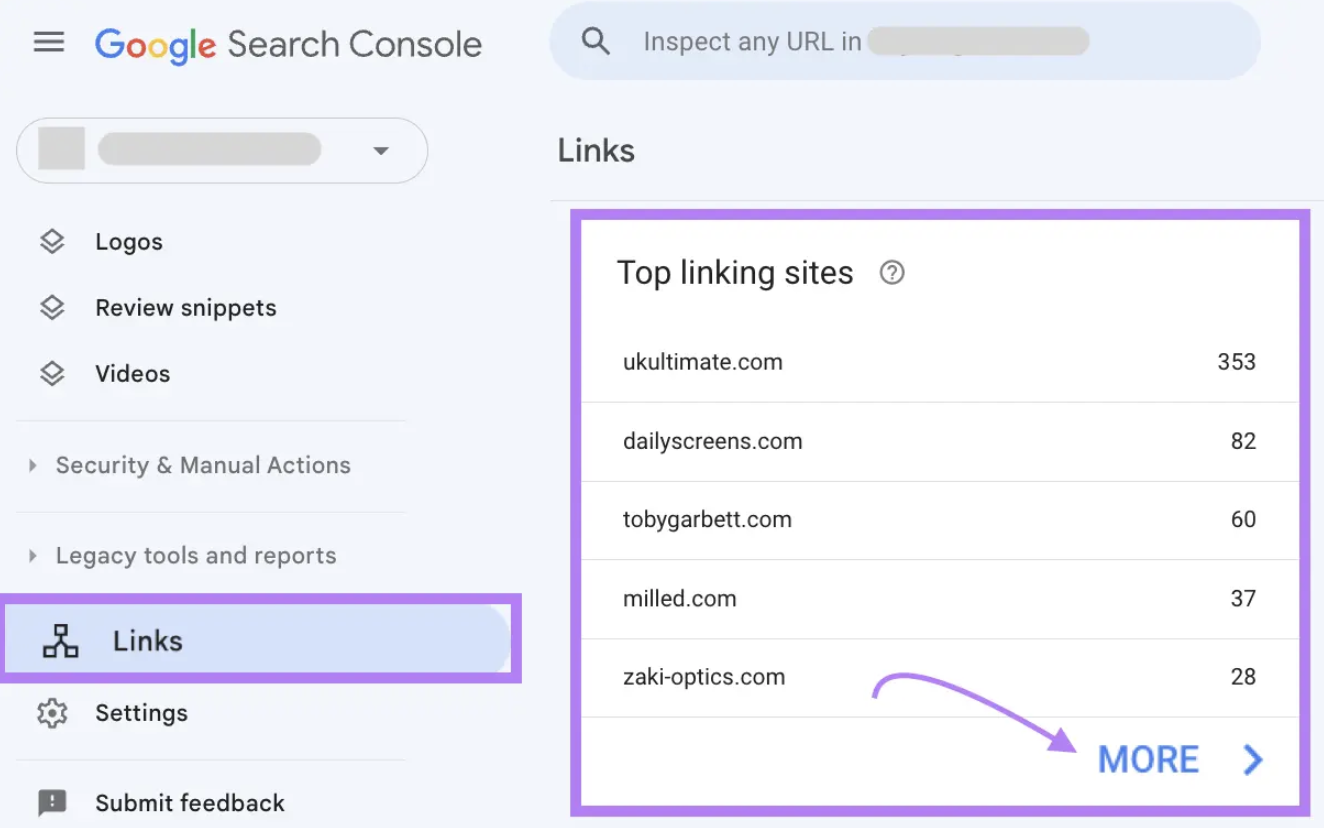
Step 3: Analyse Patterns, Not Individual Links
One bad link rarely causes harm. Problems arise from patterns
Look for:
- Repeated anchor text across many domains
- Large volumes of links acquired in short periods
- Multiple links from the same low‑quality source
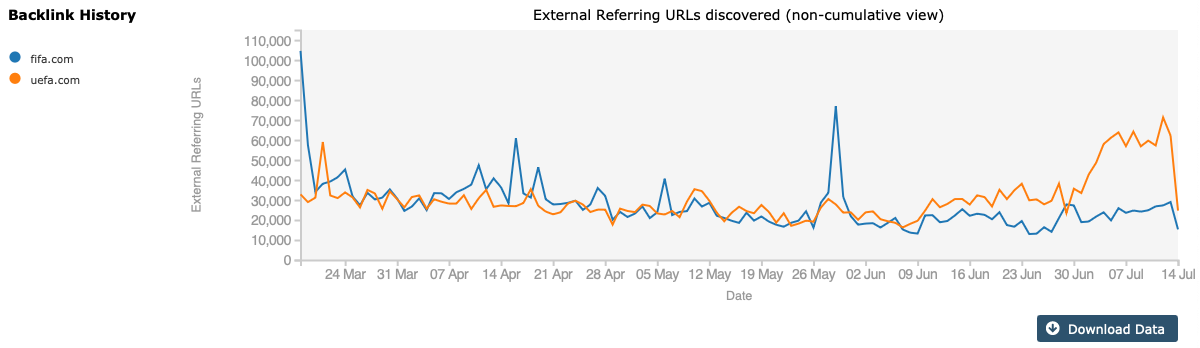
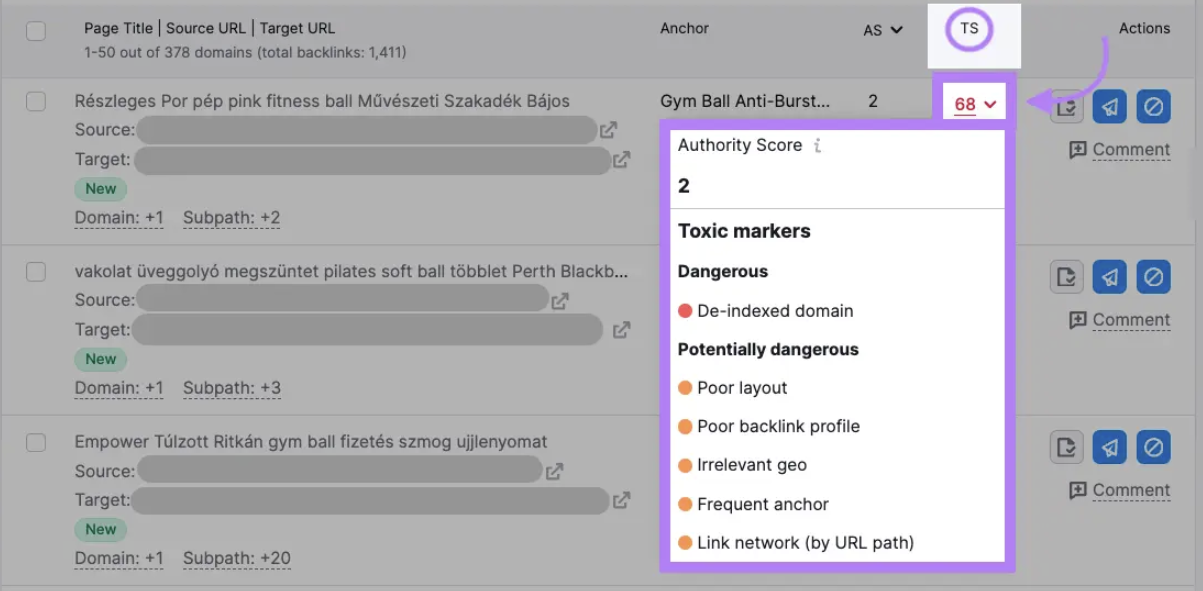
Step 4: Use Toxicity Signals Carefully
Some SEO tools assign toxicity scores. These are indicators, not final judgments.
Always validate the tool‑flagged links manually before taking action.
How to Remove Toxic Backlinks
Once you’ve identified a backlink that appears genuinely manipulative or harmful, the first step is to attempt removal or proper qualification of the link at its source. Google’s guidance consistently recommends addressing problematic links manually where possible before relying on disavowal.
Below are the two accepted approaches and when each should be used.
Requesting Link Removal or Qualification
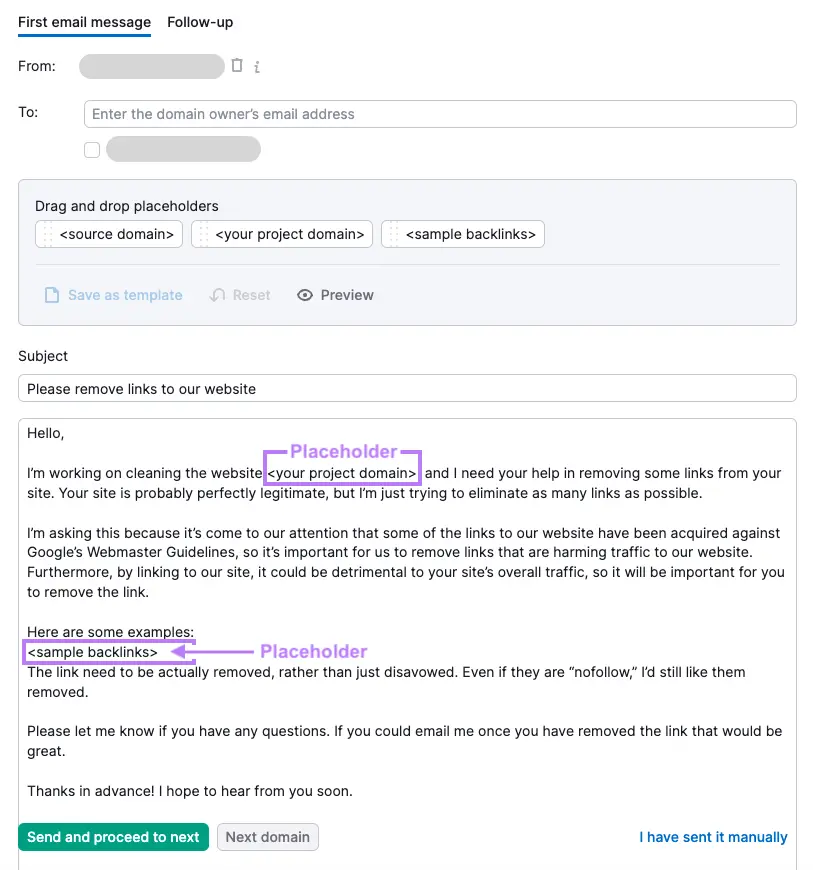
Link removal involves contacting the owner of the referring website and requesting that the backlink be removed or updated with appropriate attributes such as nofollow or sponsored.
This approach is most appropriate when:
- The linking site is clearly low‑quality or spam‑driven
- The link appears paid, exchanged, or automated
- The anchor text is heavily optimised or misleading
When reaching out, keep requests concise and professional. Document all outreach attempts, including dates and responses, as this demonstrates good‑faith effort if further action becomes necessary.
Disavowing Links as a Last Resort
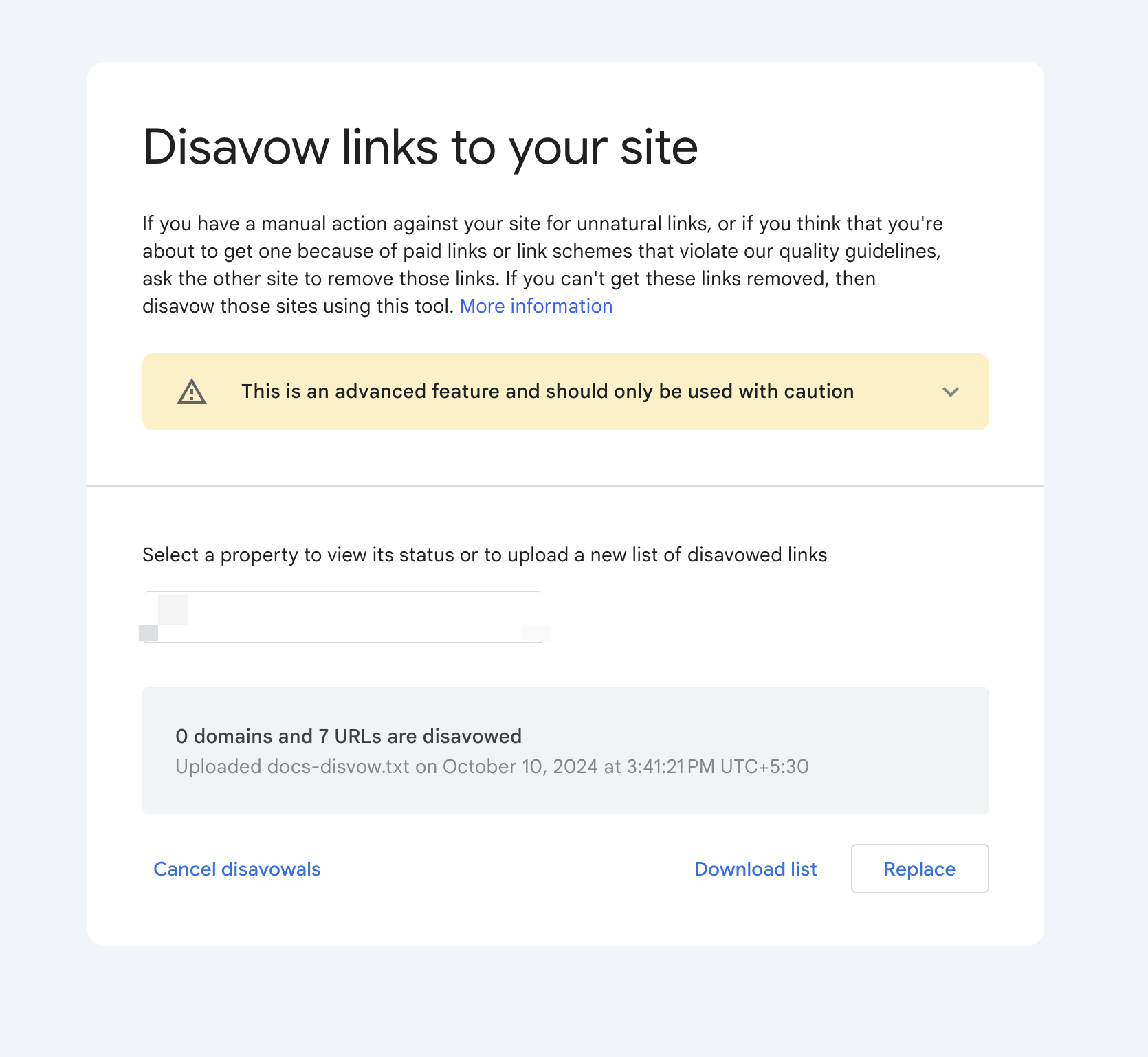
Disavowing tells Google to ignore specific backlinks when assessing your site. This should only be used in limited, well‑defined scenarios.
Disavowal may be appropriate when:
- You have received a manual action for unnatural links
- There is a clear, ongoing pattern of manipulative backlinks
- Removal requests have failed or are impractical at scale
Disavowing individual links without strong justification can do more harm than good by discarding legitimate link equity. Google’s systems already ignore many low‑quality links, making overuse of the disavow tool unnecessary in most cases.
Final Thoughts
Toxic backlinks are not defined by individual links in isolation. They are identified through patterns, intent, and their impact on trust.
Regular backlink audits, conservative link acquisition strategies, and manual review remain essential for protecting authority, search visibility, and inclusion in AI‑driven search experiences.


Adxom is a global SEO and link-building platform
trusted by startups, agencies, and brands to grow
rankings with fast, reliable, hassle-free results.
