Content Led Link Building : Content That Attract Links
 - 2026-02-12T112626.157.png)
Link building has matured. Search engines no longer reward volume driven tactics or manipulative placements. They reward authority, relevance, and trust. In this environment, content led link building has become one of the most sustainable ways to earn high value backlinks.
The principle is straightforward. Instead of asking for links, you create assets that deserve to be referenced. When your content becomes a reliable source of insight, education, or utility, other websites link to it naturally.
This approach does more than improve rankings. It builds brand equity, drives qualified traffic, and positions your business as an authority within its niche.
This article explores how content led link building works, why it is effective, and how well known brands have used it to build powerful backlink profiles.
What Content Led Link Building Actually Means
Content led link building focuses on creating assets specifically designed to attract citations and references. These are not standard blog posts written for surface level engagement. They are strategic resources built to become industry reference points.
Common formats include original research studies, annual industry reports, in depth evergreen guides, interactive tools, data visualisations, glossaries, and educational hubs.
The difference lies in intent. The content is designed to solve real problems, answer recurring questions, or provide data that others need to reference.
When done correctly, links become a byproduct of value creation rather than a result of repeated outreach.
Why This Approach Works
Content led link building aligns with how modern search engines evaluate quality. Authority is largely measured through high quality backlinks from relevant websites. When your content becomes a primary source, you attract those links organically.
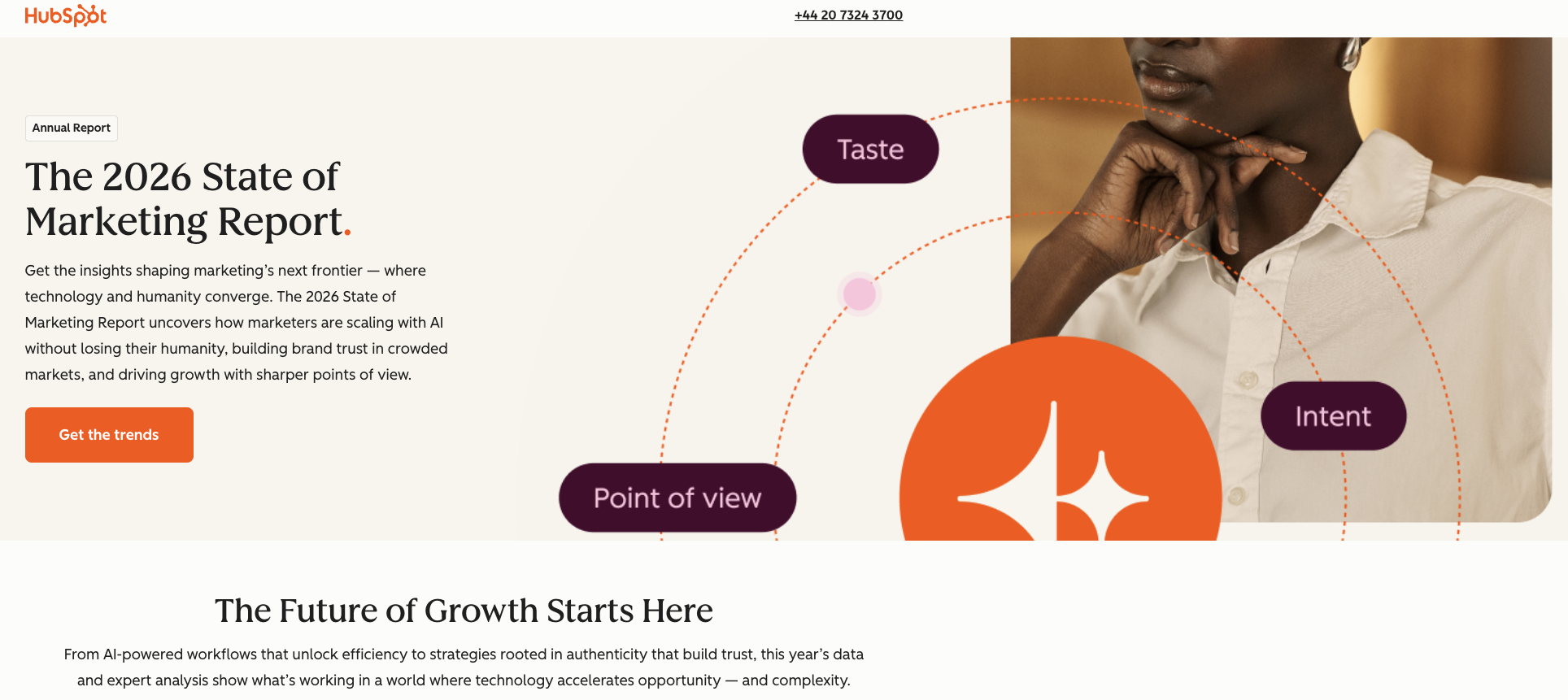
Original data is one of the strongest link magnets. HubSpot demonstrates this effectively through its annual State of Marketing report. The report compiles survey data, trend analysis, and industry benchmarks that marketers frequently cite. Journalists and bloggers need credible statistics to support their arguments. When they search for reliable data, HubSpot often appears in results. The outcome is predictable. Articles across the web reference HubSpot research, generating thousands of authoritative backlinks over time.
Educational depth also drives citations. Ahrefs has built a substantial portion of its backlink authority through comprehensive SEO guides. Its beginner guide to SEO is detailed, structured, and regularly updated. Because it explains complex concepts with clarity and practical application, educators, agencies, and bloggers reference it as a trusted resource. The content continues to earn links years after publication because it remains useful.
Another reason this model works is longevity. A well developed asset compounds over time. Unlike transactional link placements that provide short term gains, authoritative resources continue attracting links long after launch.
Types of Linkable Assets That Attract Natural Backlinks
To implement content led link building successfully, you must understand what makes an asset inherently link worthy.
Original Research and Industry Reports
Data backed insights are consistently cited across industries. When you conduct surveys, analyse proprietary data, or publish trend reports, you become a primary source.
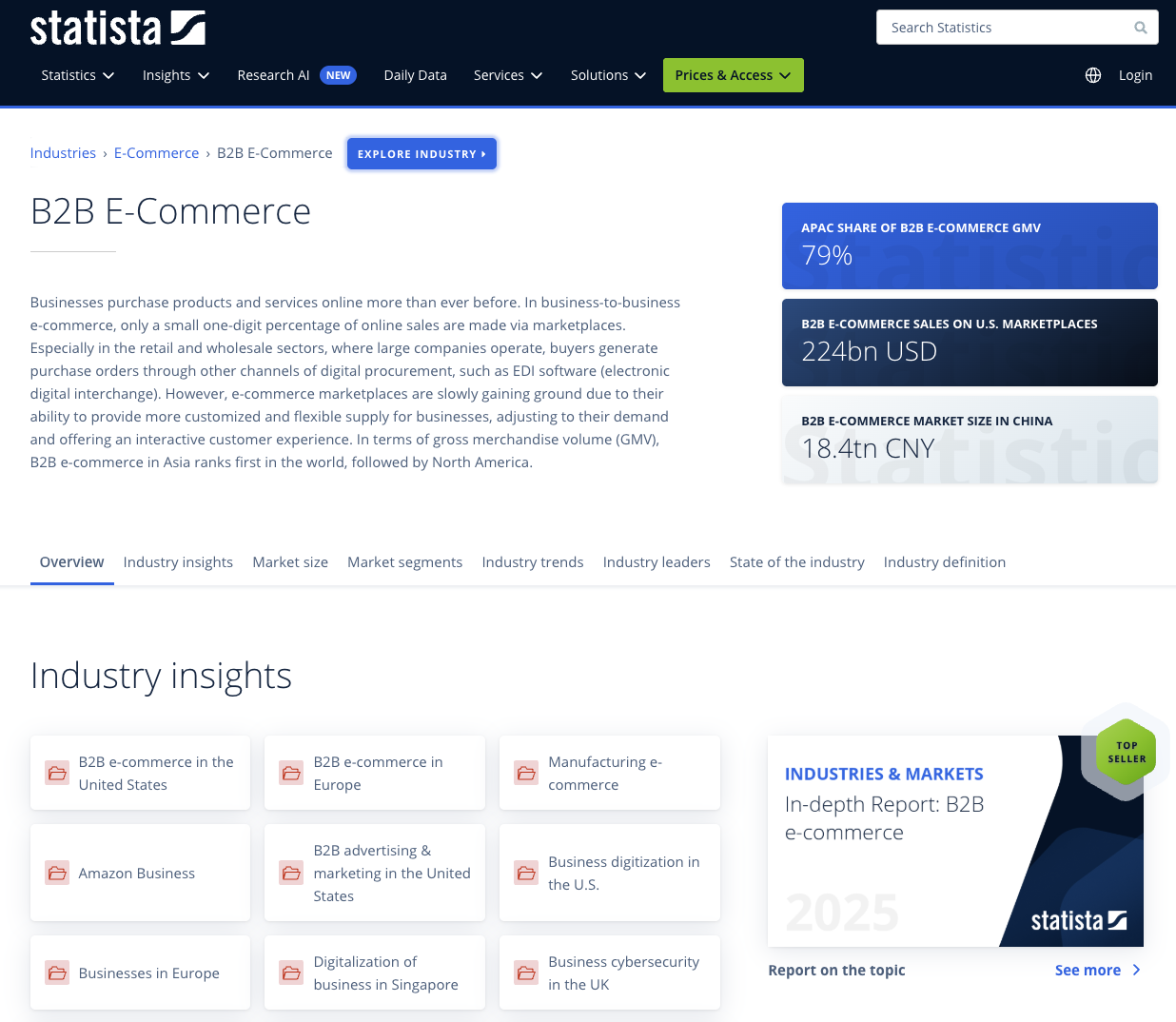
HubSpot is not alone in this strategy. Statista has built an entire platform around aggregated statistics and visualised data. Journalists, researchers, and business publications frequently cite Statista when referencing market numbers. Each citation strengthens its backlink profile. The model is clear. When you provide reliable numbers, you become a destination for references.
Even smaller brands can apply this tactic by analysing internal data or conducting niche surveys. The scale may differ, but the principle remains the same. Unique data earns links.
Comprehensive Evergreen Guides
In depth guides remain one of the most effective content led link assets. The key is depth and clarity.
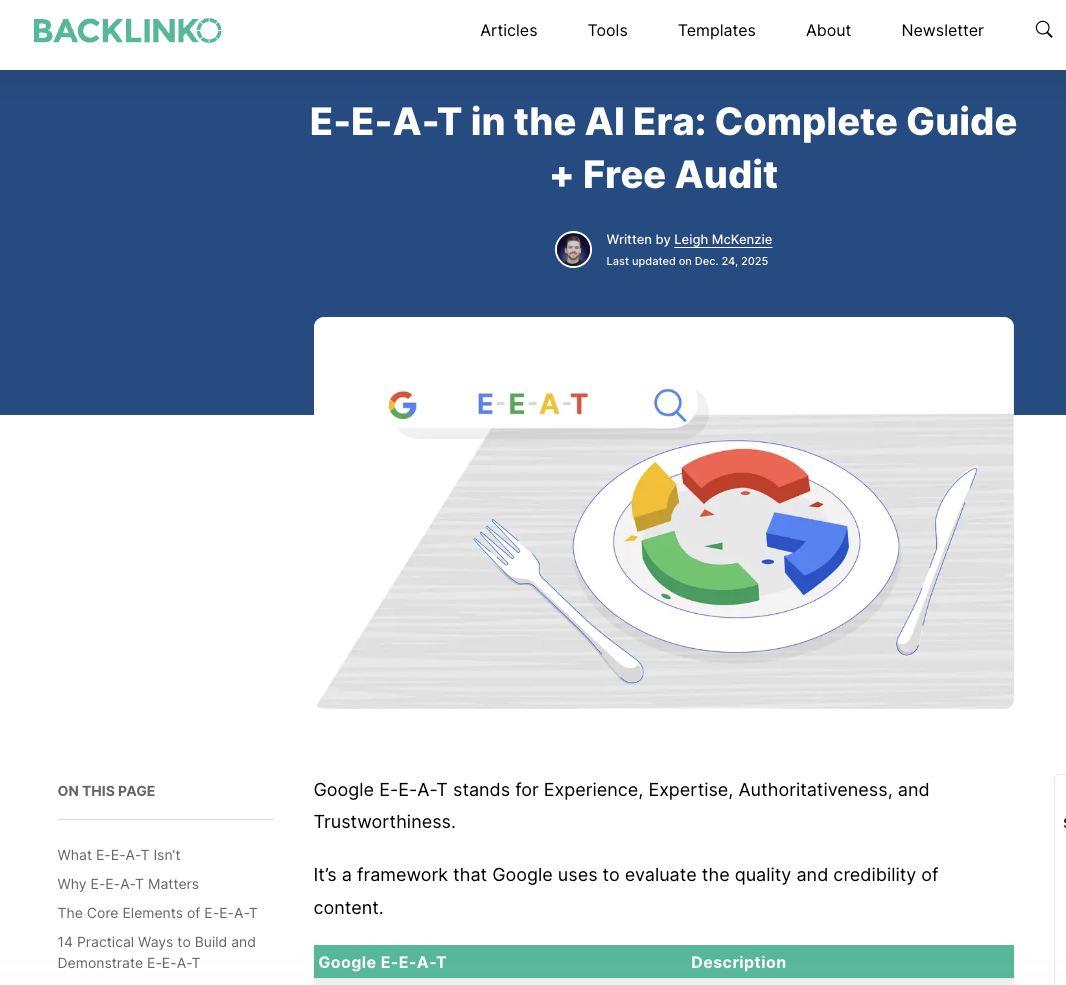
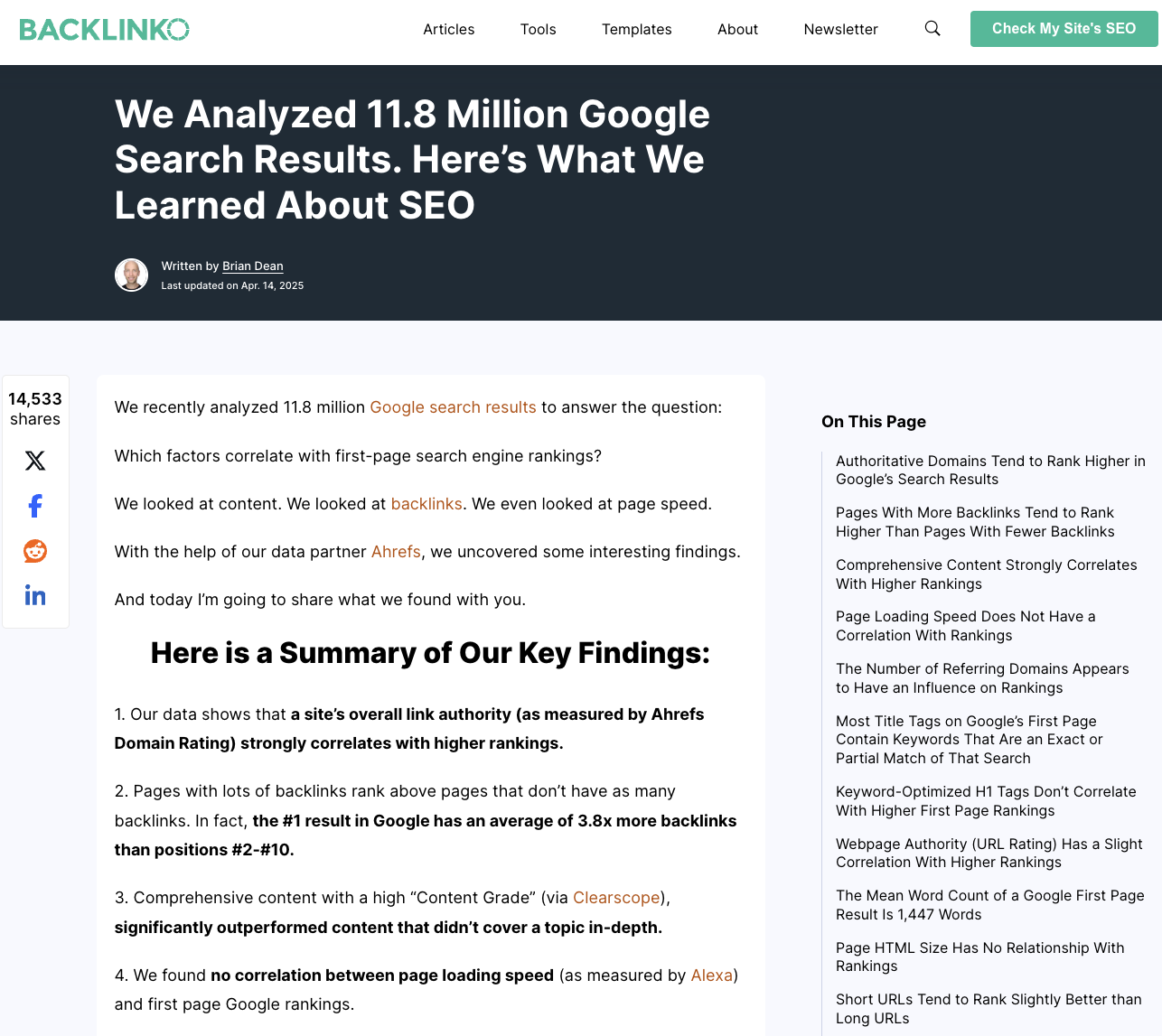
Backlinko built its authority through detailed SEO resources that went beyond surface level advice. Its guides included research insights, structured frameworks, and visual explanations. Because they covered topics more thoroughly than competing content, they became reference material for other bloggers. Writers linking to ranking factor studies or link building techniques frequently cited Backlinko as a source.
The takeaway is not to write longer content for the sake of word count. It is to create the most complete, accurate, and actionable resource available.
Tools and Interactive Resources
Practical utility drives consistent backlinks. Canva provides a strong example. Its free templates, design tools, and educational resources are widely recommended by bloggers, educators, and business websites. These links are not forced. They occur because the platform offers genuine value.

Similarly, SEO tools that provide free keyword analysis or site audits are frequently cited in tutorials and educational content. When your content asset includes functionality that solves a real problem, people naturally reference it.
Even simple calculators, cost estimators, or benchmarking tools can attract backlinks if they address a specific need within your industry.
Educational Hubs and Glossaries
Complex industries benefit from structured knowledge bases. Detailed glossaries and educational hubs are often referenced by universities, training programs, and professional blogs.
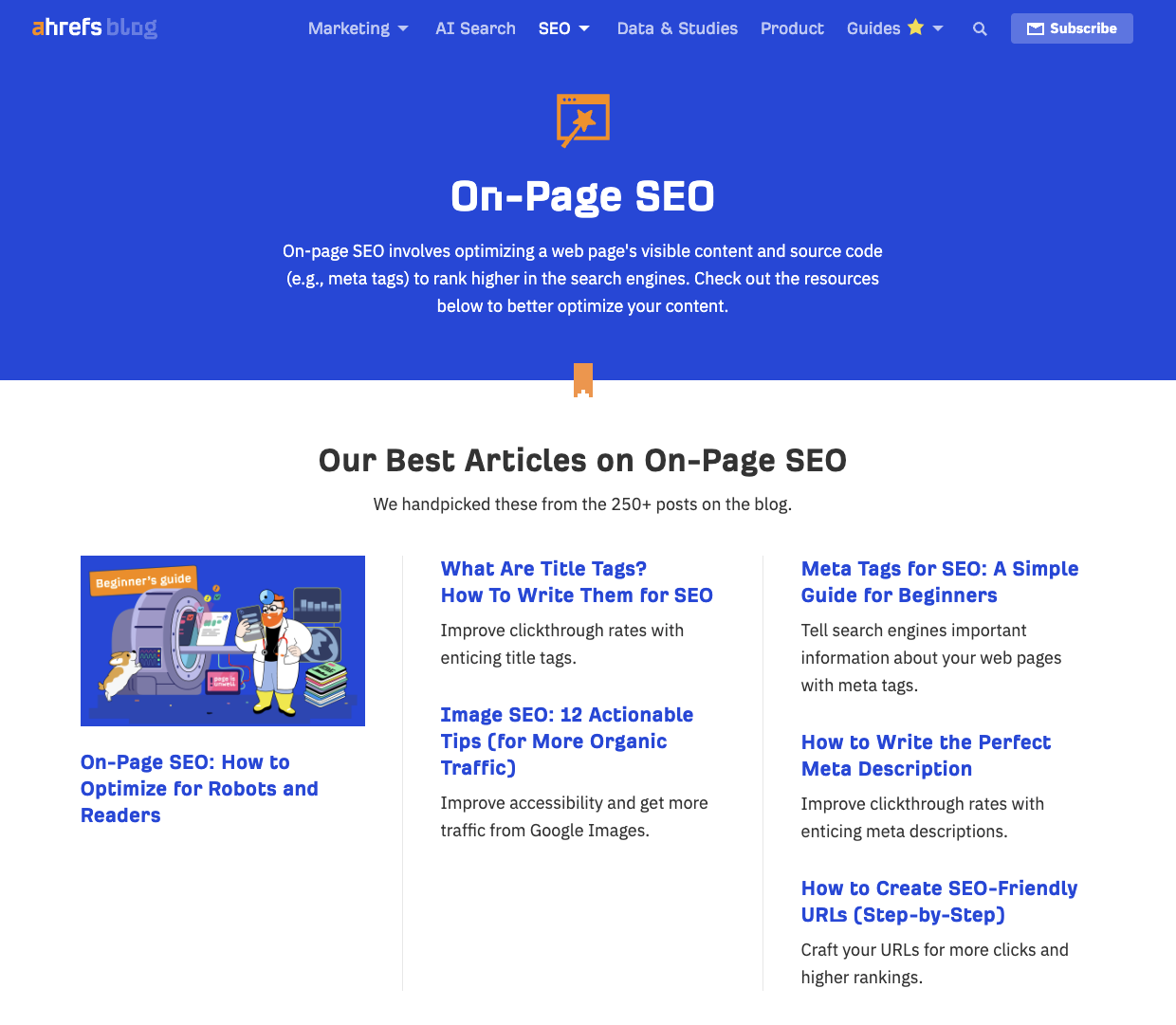
Ahrefs again offers a relevant example. Its blog and learning resources are organised in a way that supports ongoing education. Because the information is trustworthy and clearly structured, it becomes a safe citation point.
If your industry contains technical terminology or regulatory complexity, a well developed glossary can attract links from writers seeking clear definitions.
How to Develop a Content Led Link Strategy
Content led link building requires deliberate planning. Random publishing will not generate meaningful results.
Identify Citation Opportunities
Start by researching what types of content journalists and bloggers frequently cite. Look for recurring statistics, frameworks, or definitions that appear repeatedly across articles.
If you notice that writers often reference outdated studies, that presents an opportunity to publish updated research.
Analyse Competitor Backlink Profiles
Examine which pages on competitor websites attract the most referring domains. Patterns often emerge. These pages are usually research reports, ultimate guides, or free tools.
By understanding what already earns links in your niche, you can develop a differentiated asset that offers greater depth or updated insights.
Create Superior Value
Your content must provide something better, newer, or more comprehensive than existing resources. This does not always mean longer. It means clearer, more accurate, and more actionable.
For example, when Backlinko published in depth ranking factor studies, it combined research summaries with practical takeaways. That combination increased its reference value.
Optimise for Discoverability
Even the strongest asset requires visibility. On page optimisation, structured formatting, and strategic keyword targeting improve discoverability. Clear headings, logical flow, and strong internal linking also support user engagement.
Promote Strategically
While content led link building reduces reliance on aggressive outreach, promotion remains important. Sharing your asset with industry communities, newsletters, and relevant publications increases early exposure. Early visibility often leads to organic citations.
Measuring the Impact
Success in content led link building is measured through quality indicators rather than sheer link volume.
Monitor the number of referring domains, the authority and relevance of linking sites, organic traffic growth, and improvements in keyword rankings. Brand mentions and unlinked citations are also indicators of growing authority.
High value backlinks from respected publications typically have a stronger impact than dozens of low quality placements.
Common Pitfalls
One of the most frequent mistakes is producing generic content. If your asset does not offer unique insights or utility, it will struggle to earn citations.
Another issue is failing to update content. Data becomes outdated quickly. HubSpot updates its research annually. Ahrefs regularly refreshes its guides. Maintaining accuracy preserves link worthiness.
Finally, avoid focusing solely on search engines. Content led link building succeeds when it prioritises human value first.
The Long Term Advantage
Content led link building is not a shortcut tactic. It requires research, strategic thinking, and consistent updates. However, it creates a durable advantage.
When your brand becomes known as a trusted source of insight or tools, backlinks follow without constant solicitation. You transition from chasing placements to becoming a citation authority.
Brands such as HubSpot, Ahrefs, Canva, Backlinko, and Statista illustrate this clearly. They have built ecosystems of content assets that function as ongoing link engines. Their authority is not accidental. It is the result of deliberate value creation.
If your goal is to earn high value backlinks that strengthen rankings and credibility, the answer is not to increase outreach volume. It is to invest in assets worth referencing.
Create research that others need. Publish guides that set standards. Build tools that solve problems. Maintain accuracy and clarity.
When your content becomes indispensable, links are no longer requested. They are earned naturally.
Unlock the full strategy: Download our free E-book


Adxom is a global SEO and link-building platform
trusted by startups, agencies, and brands to grow
rankings with fast, reliable, hassle-free results.
