10 Examples of Intent Optimised Pages from Leading Brands
 - 2026-02-20T114016.771.png)
Search intent is no longer a theoretical SEO concept. It is the foundation of how high-performing brands structure their most valuable pages. The difference between a page that ranks and a page that converts often comes down to one factor: alignment with user intent.
Below are ten real examples from established brands that demonstrate how intent optimisation works in practice. Each example highlights the query type, the structure of the page, and why it succeeds.
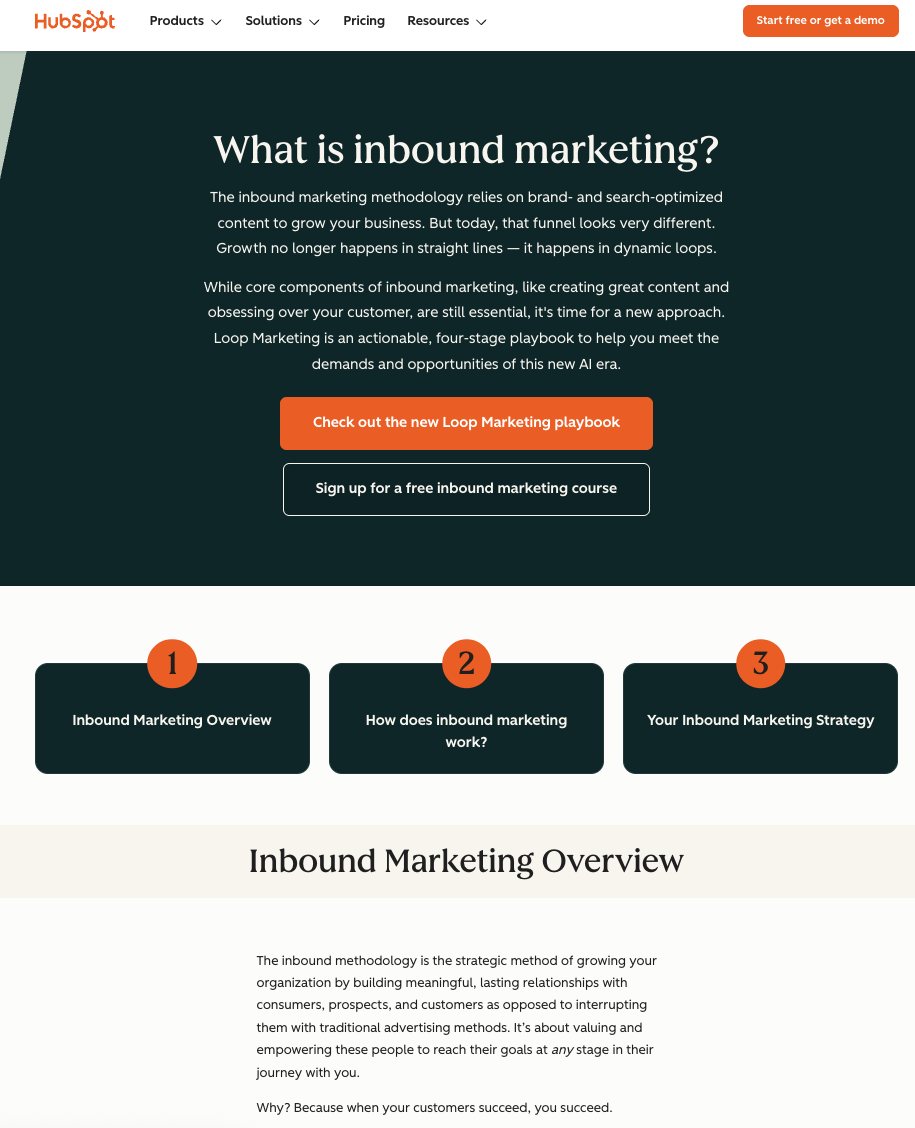
1. HubSpot
Query: What is inbound marketing
HubSpot ranks consistently for this informational query with a page that opens with a direct definition. The introduction immediately answers the question before expanding into methodology, benefits, and examples.
Why it works
The user is seeking understanding, not a sales pitch. HubSpot provides a concise explanation first, then gradually introduces its software as a natural extension of the strategy. The structure mirrors informational intent while gently supporting commercial goals.
2. Investopedia
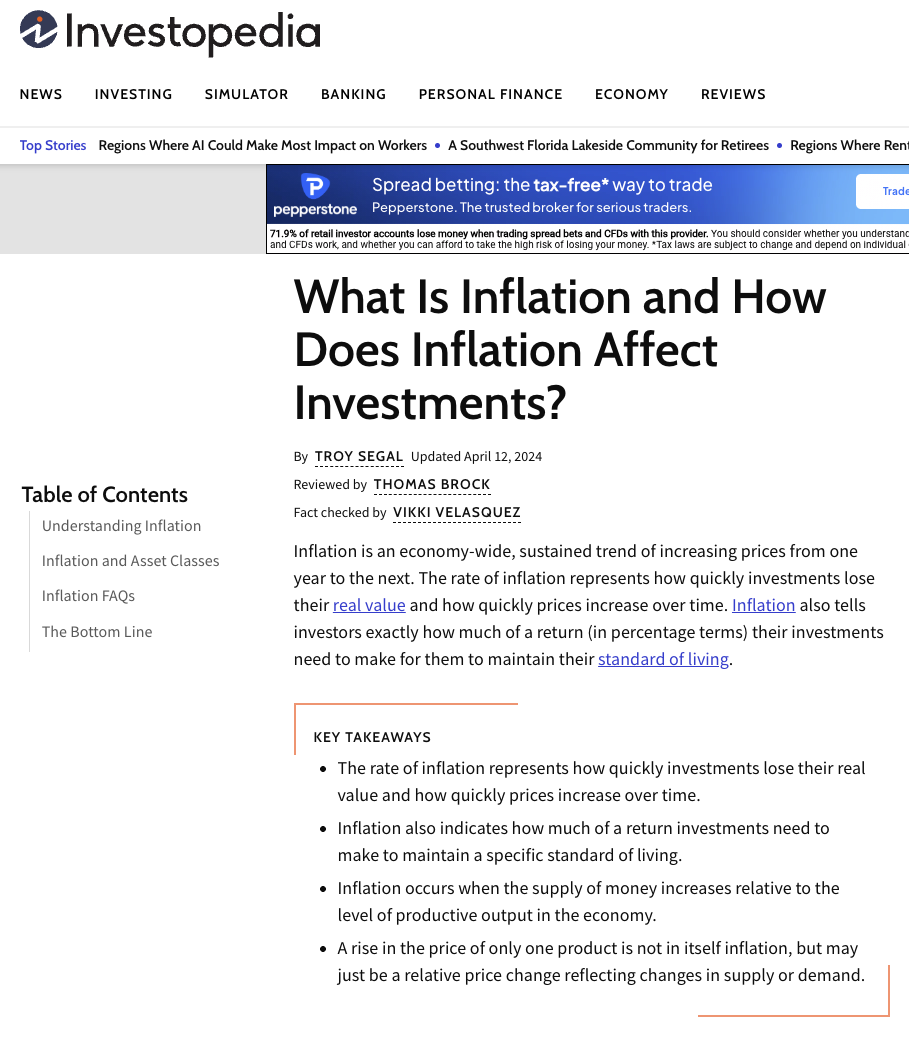
Query: What is inflation
Investopedia dominates definitions in finance-related searches. Its inflation page begins with a clear definition in the first paragraph, followed by sections explaining causes, effects, formulas, and real-world examples.
Why it works
The structure is designed for clarity and snippet visibility. Headings follow logical question-based formatting. The content depth satisfies both beginners and advanced readers. It is optimized for educational intent and search engine extraction.
3. Shopify
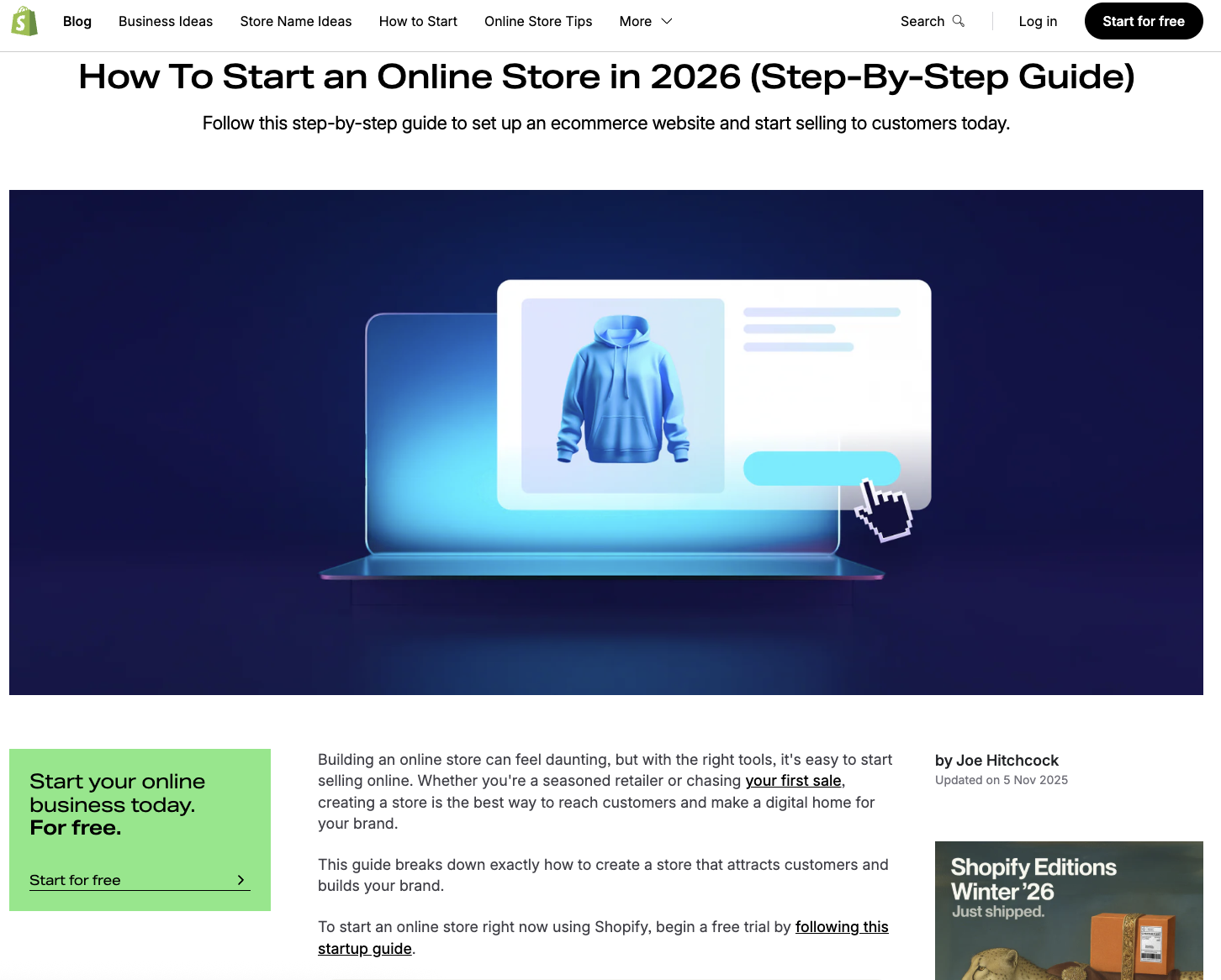
Query: How to start an online store
Shopify ranks for this high-intent informational query with a comprehensive guide. The page walks users through steps such as choosing a niche, selecting products, setting up payments, and launching.
Why it works
The user wants practical instruction. Shopify provides actionable steps and integrates its platform naturally into the workflow. The content satisfies informational intent while smoothly transitioning into a commercial opportunity.
4. Ahrefs
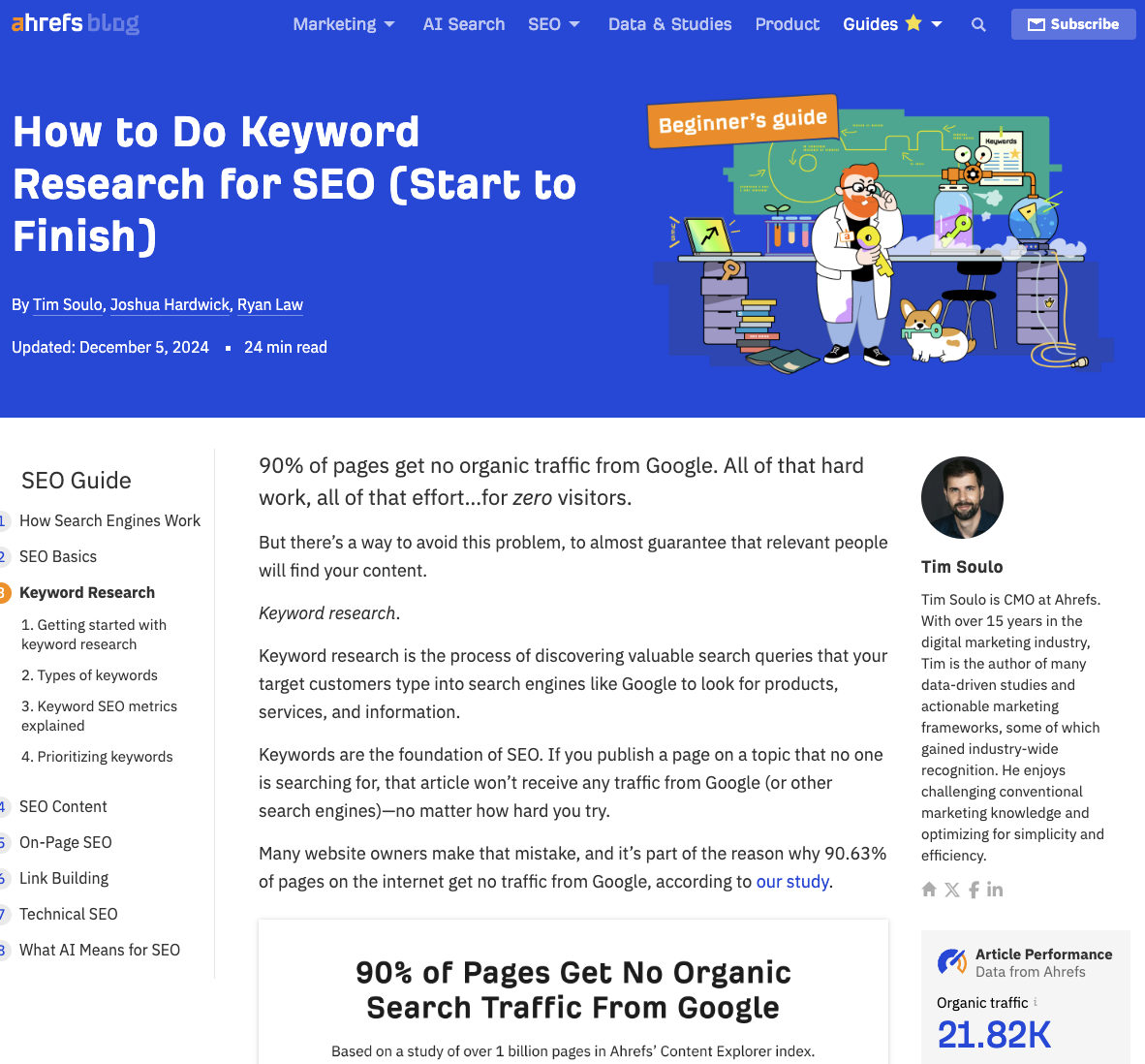
Query: Keyword research
Ahrefs ranks highly for this broad informational term with a long-form guide. The article includes definitions, strategy frameworks, examples, and tool demonstrations.
Why it works
The search intent is educational but strategic. Readers want more than a definition. Ahrefs provides depth, screenshots, and actionable processes. The guide establishes authority and introduces its product as a solution without disrupting intent alignment.
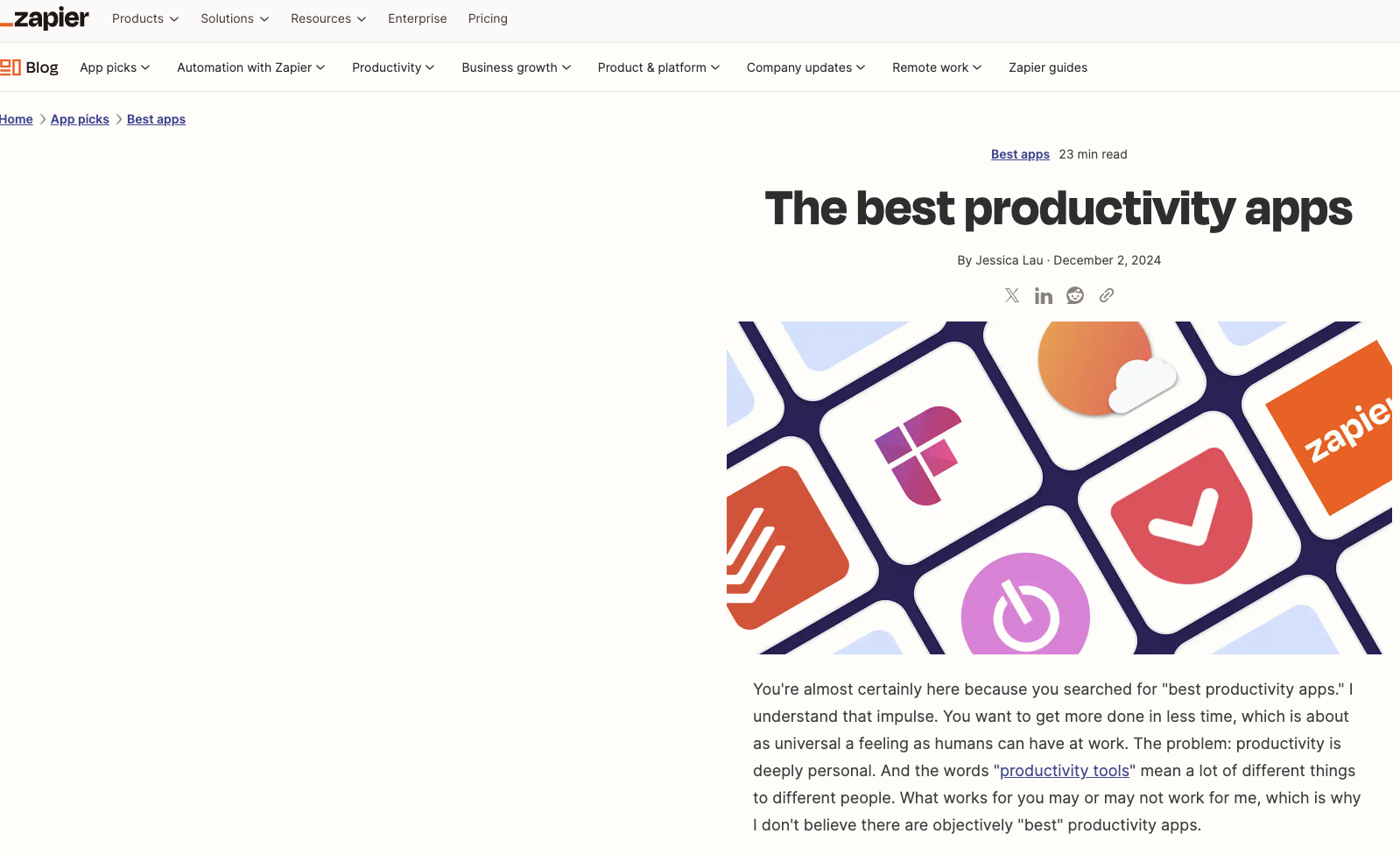
5. Zapier
Query: Best productivity apps
Zapier publishes comparison-style blog posts targeting commercial investigation intent. Its productivity app roundups include categorised recommendations, feature breakdowns, and use case guidance.
Why it works
The user is comparing options. Zapier structures the page for scanning and decision-making. Instead of pushing one solution, it provides balanced recommendations while subtly positioning integrations as value enhancers.
6. Apple
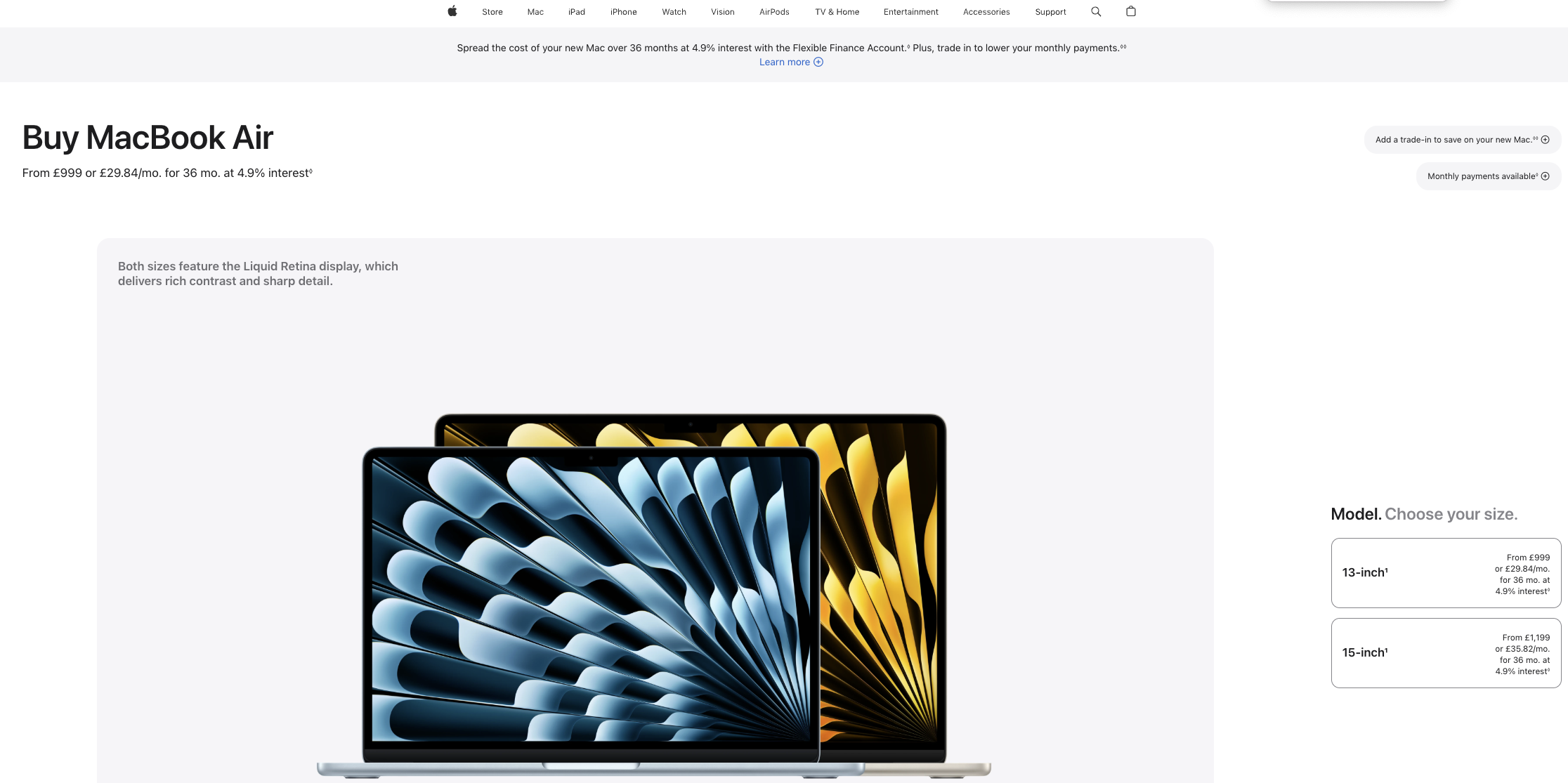
Query: Buy MacBook Air
Apple’s product page for the MacBook Air is a textbook example of transactional intent alignment. It emphasises product benefits, specifications, pricing tiers, and a clear purchase pathway.
Why it works
The user is ready to buy. The page removes friction with clear navigation, strong visuals, financing options, and prominent calls to action. There is no unnecessary educational content because the intent is transactional.
7. Booking.com
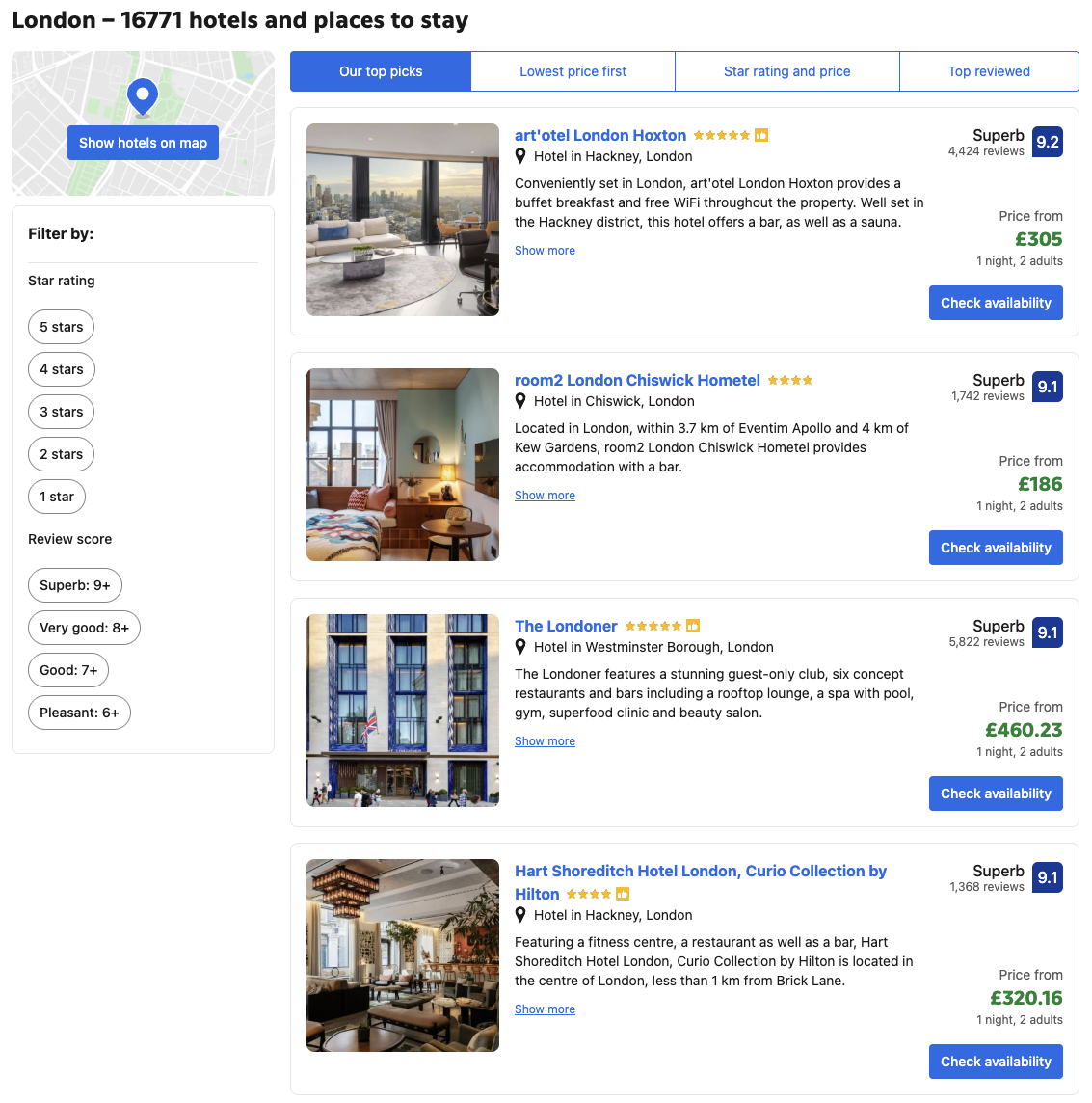
Query: Hotels in London
Booking.com dominates this local commercial query with a results-driven landing page. The page immediately presents property listings, filters, maps, pricing, and availability.
Why it works
The user intends to compare and book accommodations. The interface is designed for speed and filtering. Reviews and trust indicators support decision-making. It is optimised for conversion rather than long-form reading.
8. NerdWallet
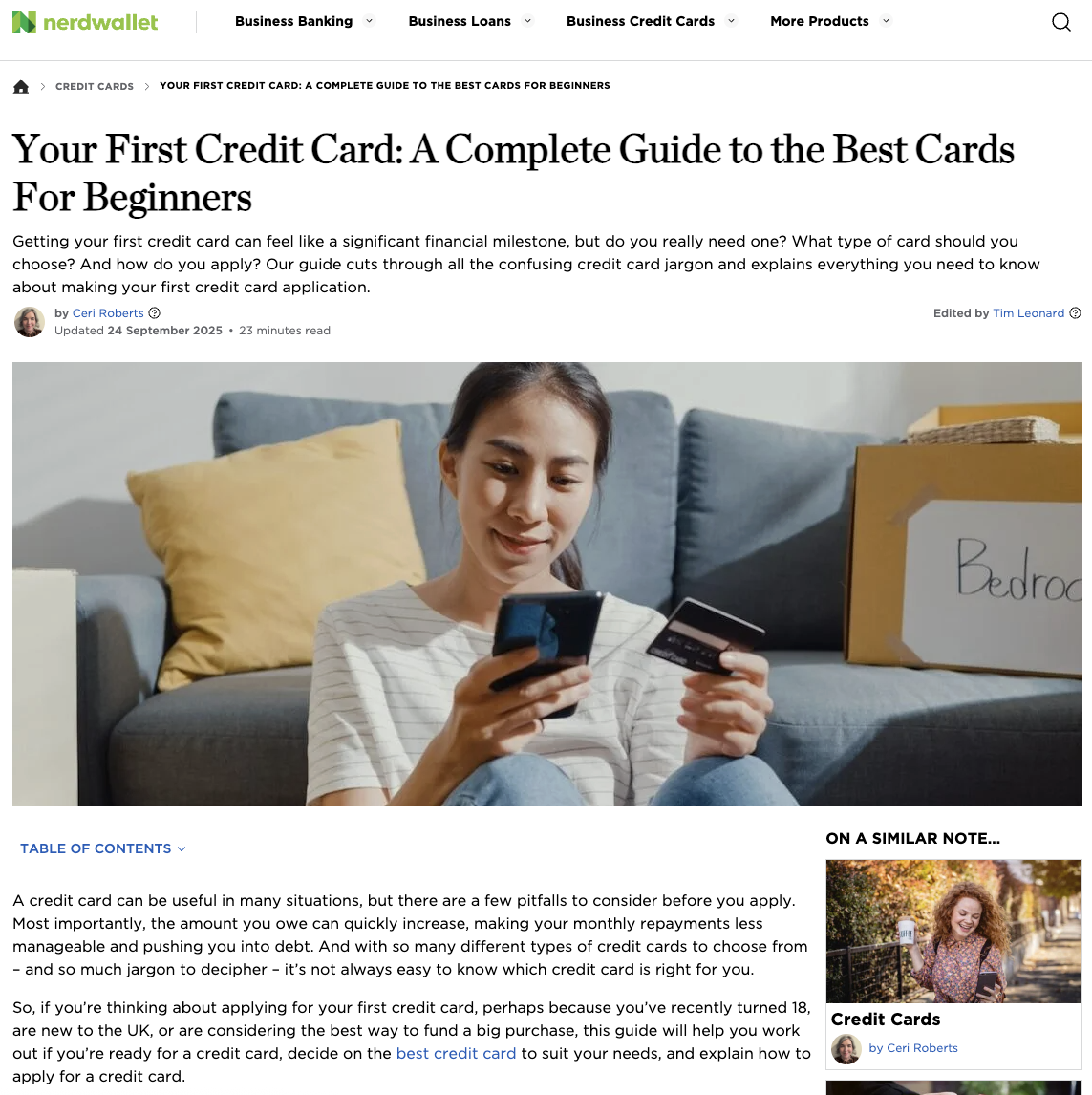
Query: Best credit cards
NerdWallet ranks strongly for commercial investigation queries such as this. Its page features categorised recommendations, comparison tables, expert ratings, and application links.
Why it works
Users are evaluating financial products. The page builds trust with transparent evaluation criteria and clear pros and cons. Structured formatting supports both readers and search engines. The intent is comparison driven and the content reflects that precisely.
9. Canva
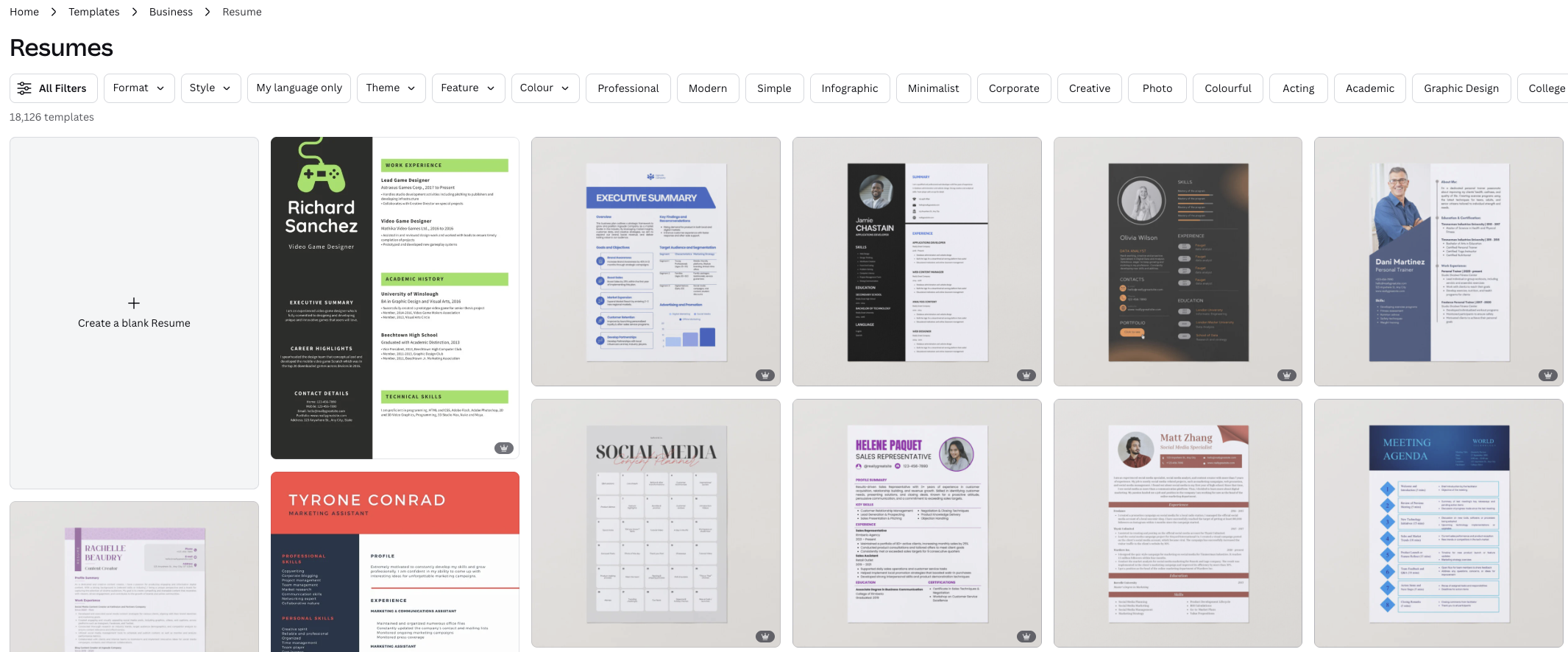
Query: Resume templates
Canva ranks for this transactional creative query with a landing page showcasing template previews immediately above the fold. Users can begin editing instantly without long explanations.
Why it works
The intent is action-oriented. Users want templates, not a history of resumes. Canva delivers visual options instantly and reduces steps between discovery and usage. This alignment drives both engagement and conversions.
10. WebMD
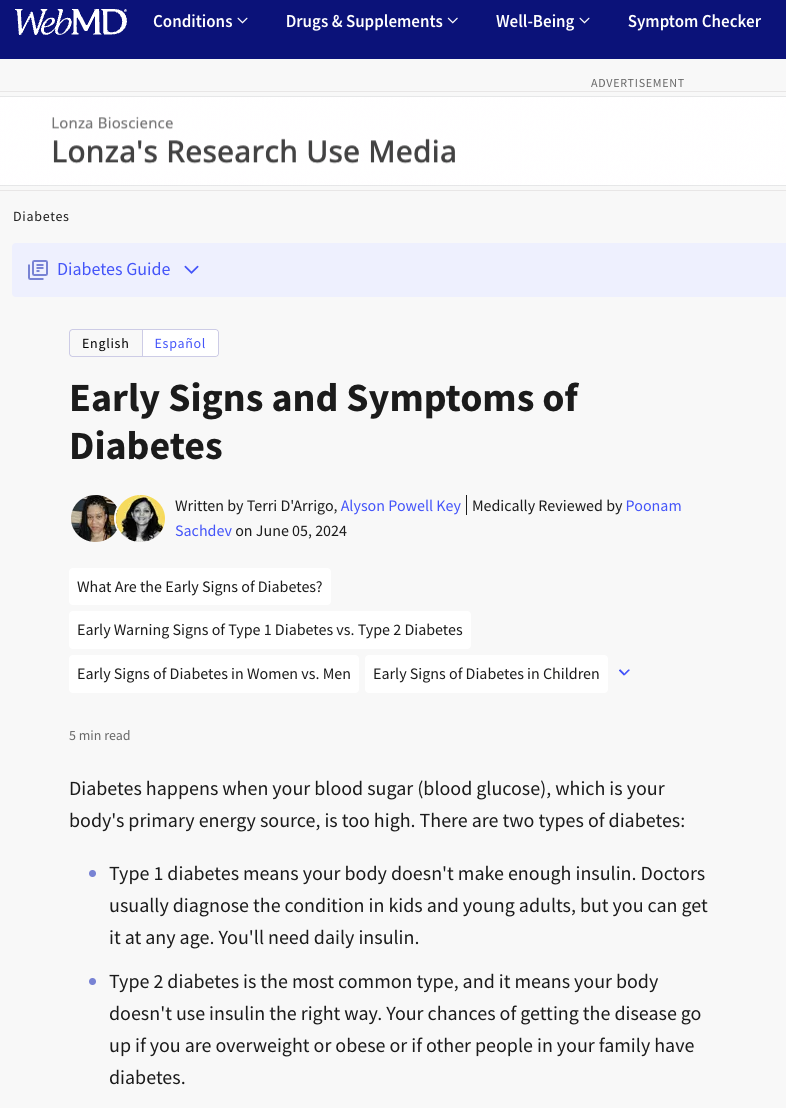
Query: Symptoms of diabetes
WebMD ranks for health-related informational queries by providing structured symptom lists, medical explanations, risk factors, and guidance on when to consult a doctor.
Why it works
The intent is informational and health focused. The page prioritises clarity, medical credibility, and scannable formatting. Trust signals such as medical review badges reinforce authority. The structure matches the urgency and seriousness of the query.
Patterns Behind These High-Performing Pages
Despite operating in different industries, these brands apply consistent intent optimisation principles.
- They answer the primary query immediately.
- They structure content according to user goals.
- They avoid mixing conflicting intents on the same page.
- They support decision-making with clarity and trust.
- They align calls to action with the stage of the user journey.
- For informational queries, pages educate before selling.
- For commercial queries, pages are compared before converting.
- For transactional queries, pages simplify the purchase path.
- For navigational queries, pages prioritise speed and usability.
Intent Optimisation in the Age of AI Search
AI-powered search systems increasingly extract concise answers and summaries from well-structured pages. Brands like HubSpot, Investopedia, and Ahrefs benefit because their content is clearly segmented and semantically organised.
AI search favours pages that demonstrate topical authority and structured clarity. Brands that invest in detailed explanations, clean formatting, and logical hierarchy are more likely to appear in AI-generated summaries.
Intent optimisation is no longer optional. It is the mechanism that determines whether content ranks, appears in AI overviews, or drives conversions.
Conclusion
The brands featured above do not rank by accident. Their pages are engineered around user motivation. They understand that search engines measure satisfaction, not keyword repetition.
Intent-optimised pages begin with understanding the user’s goal. They remove friction, deliver clarity, and guide action according to the stage of the journey.
Whether the objective is education, comparison, or purchase, aligning structure and content with intent is what separates average pages from dominant ones. In a search environment increasingly shaped by AI, this alignment has become the defining factor of sustainable organic visibility.
For a deeper dive into measuring AI visibility and redefining success beyond clicks, explore our full breakdown on AI search.


Adxom is a global SEO and link-building platform
trusted by startups, agencies, and brands to grow
rankings with fast, reliable, hassle-free results.
