AI Search Citations: How AI Determines Trusted Sources
 - 2026-03-04T153327.004.png)
Artificial intelligence is fundamentally changing how people find information online. Instead of simply presenting a list of links, modern search experiences generate complete answers that synthesise information from multiple sources. Platforms such as Google AI Overviews, Microsoft Copilot, ChatGPT Search, and Perplexity now act as information interpreters rather than traditional search engines.
In these systems, citations play a critical role. When an AI assistant generates an answer, it often provides links to the sources used to support the response. These citations are not random. They emerge from complex retrieval and ranking systems that determine which content is most relevant, reliable, and usable for answering a query.
Understanding how these systems select sources is becoming essential for publishers, marketers, and SEO professionals. Reverse engineering citation patterns across AI platforms reveals that the process is driven by a combination of retrieval mechanics, authority signals, structured information, and content accessibility.
AI search relies on retrieval systems rather than guesswork
Contrary to a common misconception, AI generated answers are not simply predictions from a language model. Most modern AI search experiences rely on retrieval augmented systems. These systems retrieve relevant documents from the web before generating an answer.
 (1).jpg)
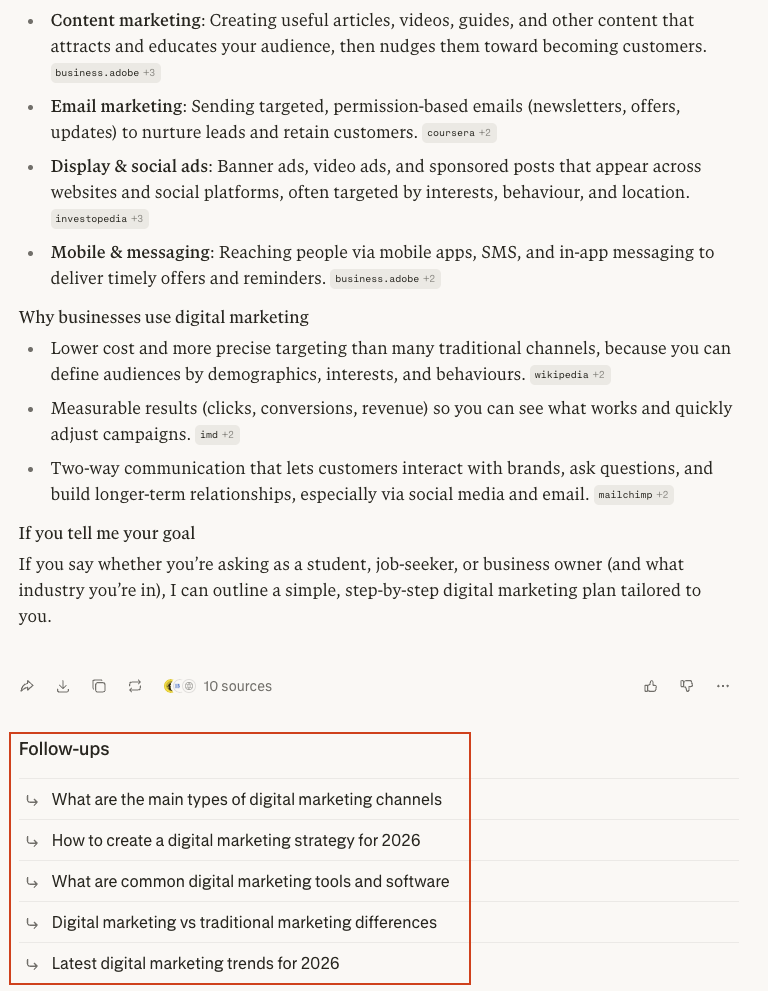
The process typically follows several stages. First the system analyses the user query and expands it into several related searches. This technique is sometimes described as query fan out because the original question is broken into multiple subtopics.
Next the system retrieves candidate documents from a search index. These documents are then evaluated using ranking signals that consider relevance, authority, and context.
After this stage the AI model selects the most useful passages from the retrieved documents. The model then synthesises the information into a cohesive answer and attaches citations that reference the original sources.
Google has described how its AI search features perform multiple related searches to gather supporting pages. Microsoft has explained that its Copilot system generates internal queries through Bing search in order to ground answers in real time web content. ChatGPT search similarly rewrites user prompts into several targeted queries and retrieves information from search partners.
Although each platform uses different terminology, the underlying architecture is remarkably similar.
Authority remains a powerful signal
One of the clearest findings from large scale citation studies is the dominance of high authority domains. Industry datasets monitoring millions of citations show that a small number of websites appear disproportionately often.
Large publishers with strong domain authority are frequently cited. For example HubSpot appears regularly in AI generated marketing answers. HubSpot has built a large library of detailed marketing guides that clearly explain concepts such as inbound marketing, content strategy, and SEO fundamentals.
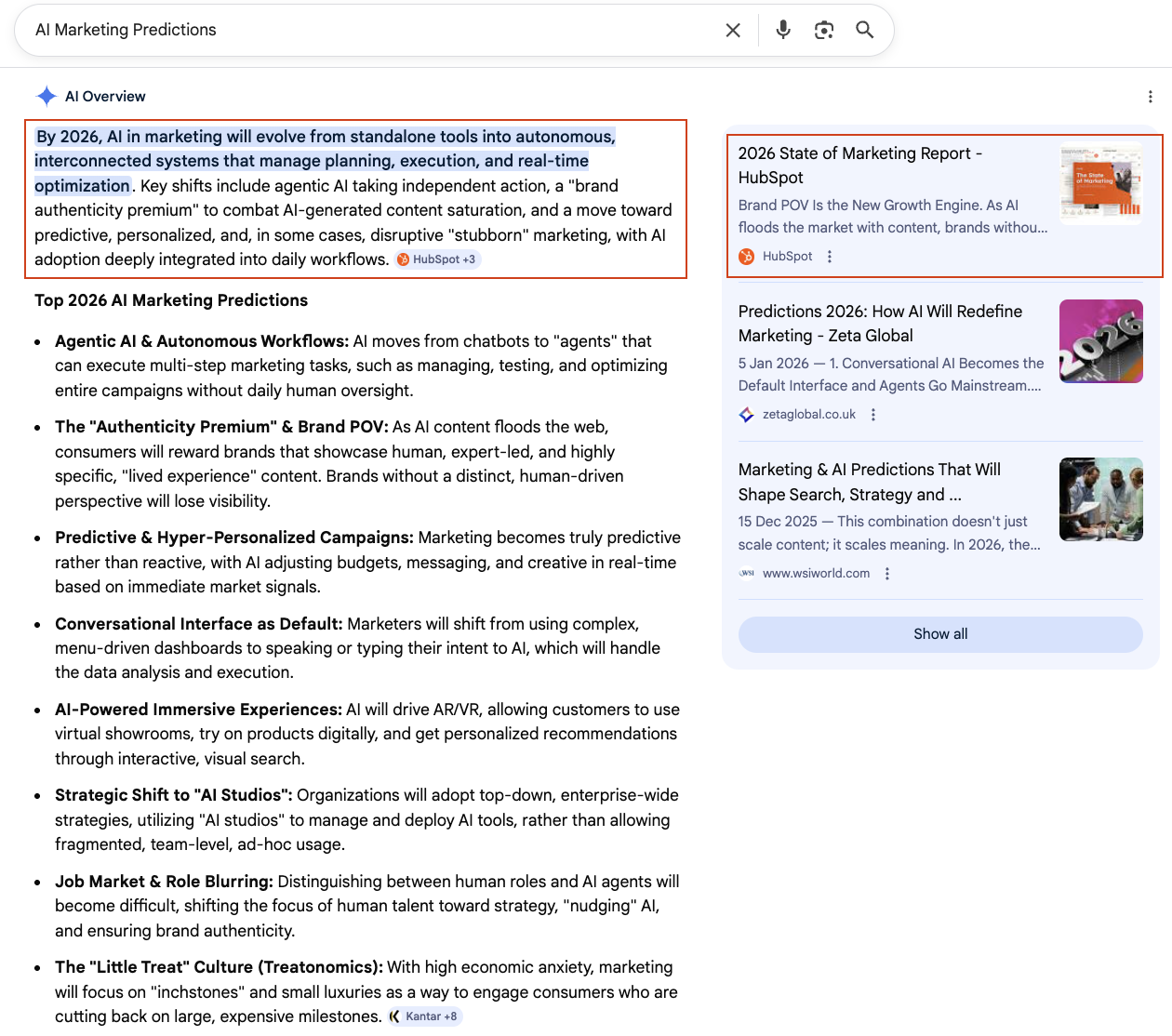
Another example: Wikipedia is one of the most frequently cited sources across AI search systems. Its structured articles, comprehensive references, and neutral explanations make it easy for AI systems to extract definitions and contextual information.
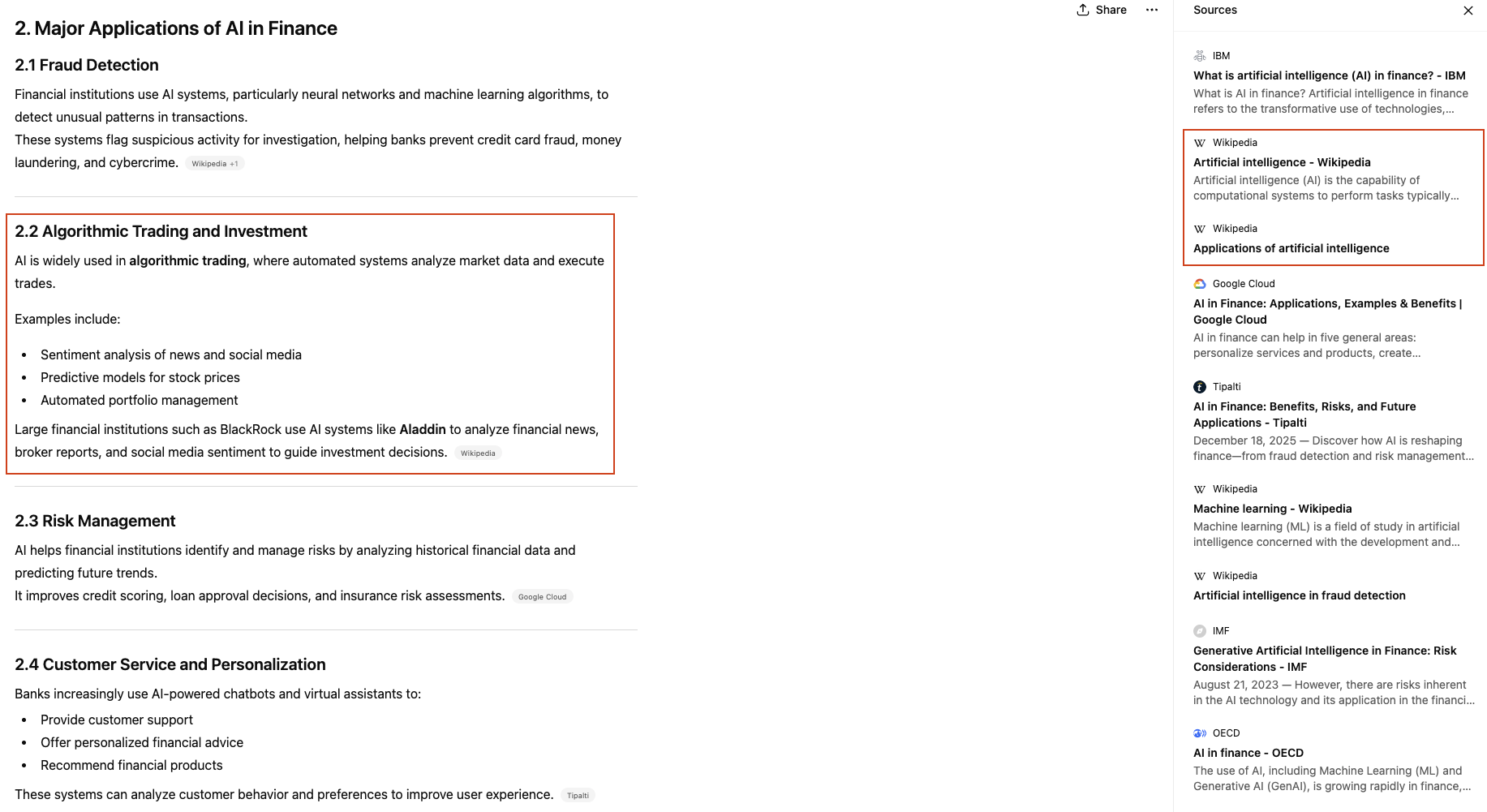
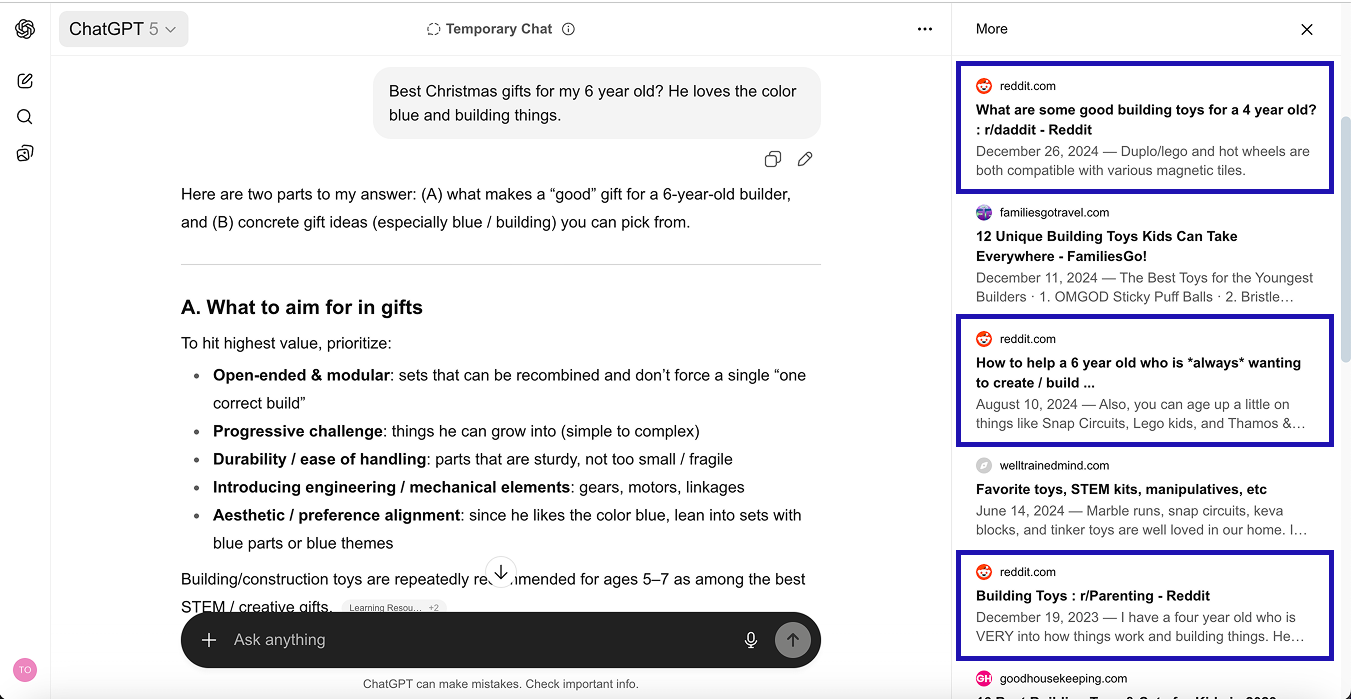
Community platforms such as Reddit also appear frequently in citation data. This reflects the growing role of user generated discussions in answering practical questions.
Major publishers and industry authorities also appear repeatedly. Forbes is often cited for business insights. TechRadar frequently appears in technology related answers. Gartner is commonly referenced in enterprise technology queries.
These patterns suggest that AI systems often rely on well established sources that already demonstrate credibility and visibility across the web.
Query expansion shapes what sources are discovered
Citation selection begins even before documents are retrieved. Modern AI search systems expand user queries into multiple related questions.
For example a query about digital marketing strategy might trigger additional searches about inbound marketing, SEO best practices, and marketing automation tools.
This process allows AI systems to explore a wider range of documents than a single search query would return. It also increases the diversity of sources that might be considered.
Because of this fan out approach, some cited sources may not rank highly for the original query in traditional search results. Instead they may rank strongly for one of the expanded subqueries.
This helps explain why citation studies often show links coming from pages that rank outside the top ten positions in standard search results.
Passage level retrieval is changing the rules
Another major shift in AI search is the move from page level ranking to passage level extraction.
Traditional search engines ranked entire pages. AI systems increasingly break pages into smaller pieces of content such as paragraphs, tables, or question and answer blocks.
These content fragments are evaluated individually and selected if they provide a clear answer to part of the query.
Microsoft has described how AI search assistants parse content into structured segments before assembling responses. This means a single page might contribute only one paragraph to an AI generated answer.
For publishers this change is significant. It means that the most competitive unit is no longer just the page but the individual passage within the page.
Content format strongly influences citation patterns
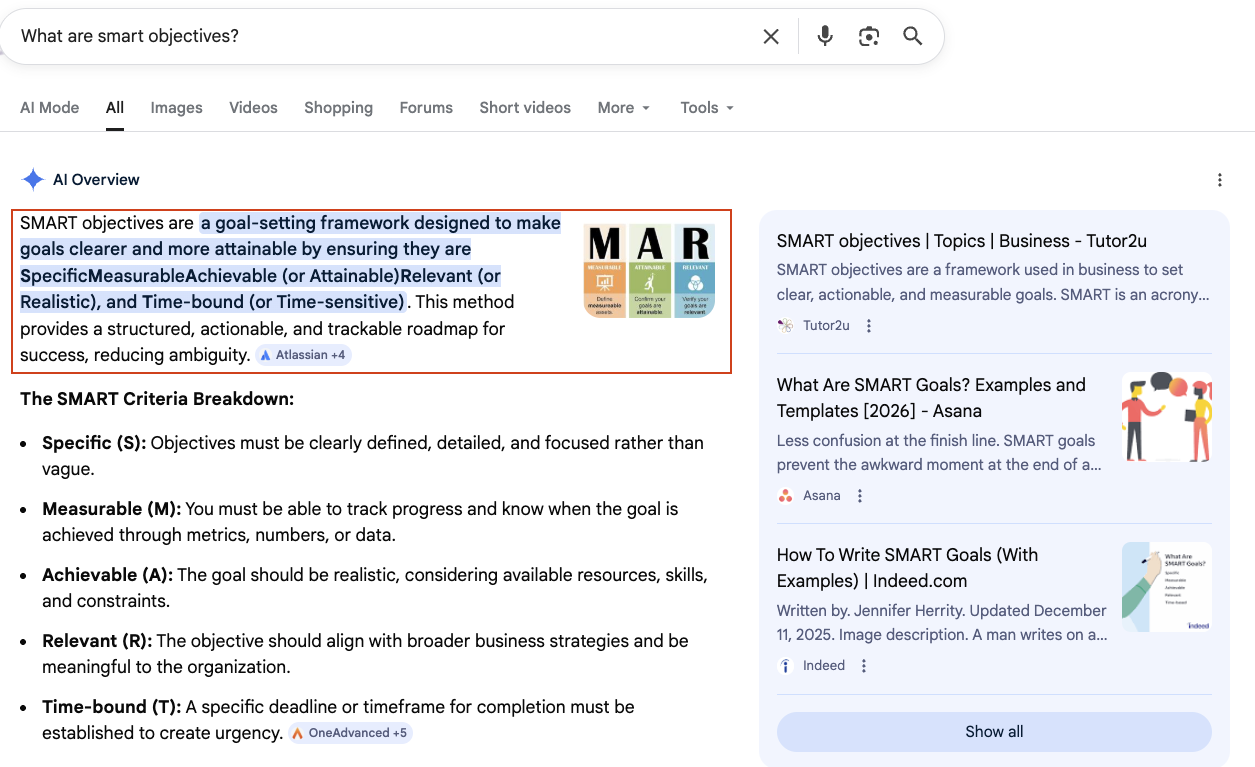
Large scale studies show that citation patterns differ significantly by content format.
Video content plays a surprisingly large role. In one dataset analysing thousands of health related AI search results, YouTube was the most frequently cited domain. In many cases AI systems referenced videos more often than medical institutions or academic journals.
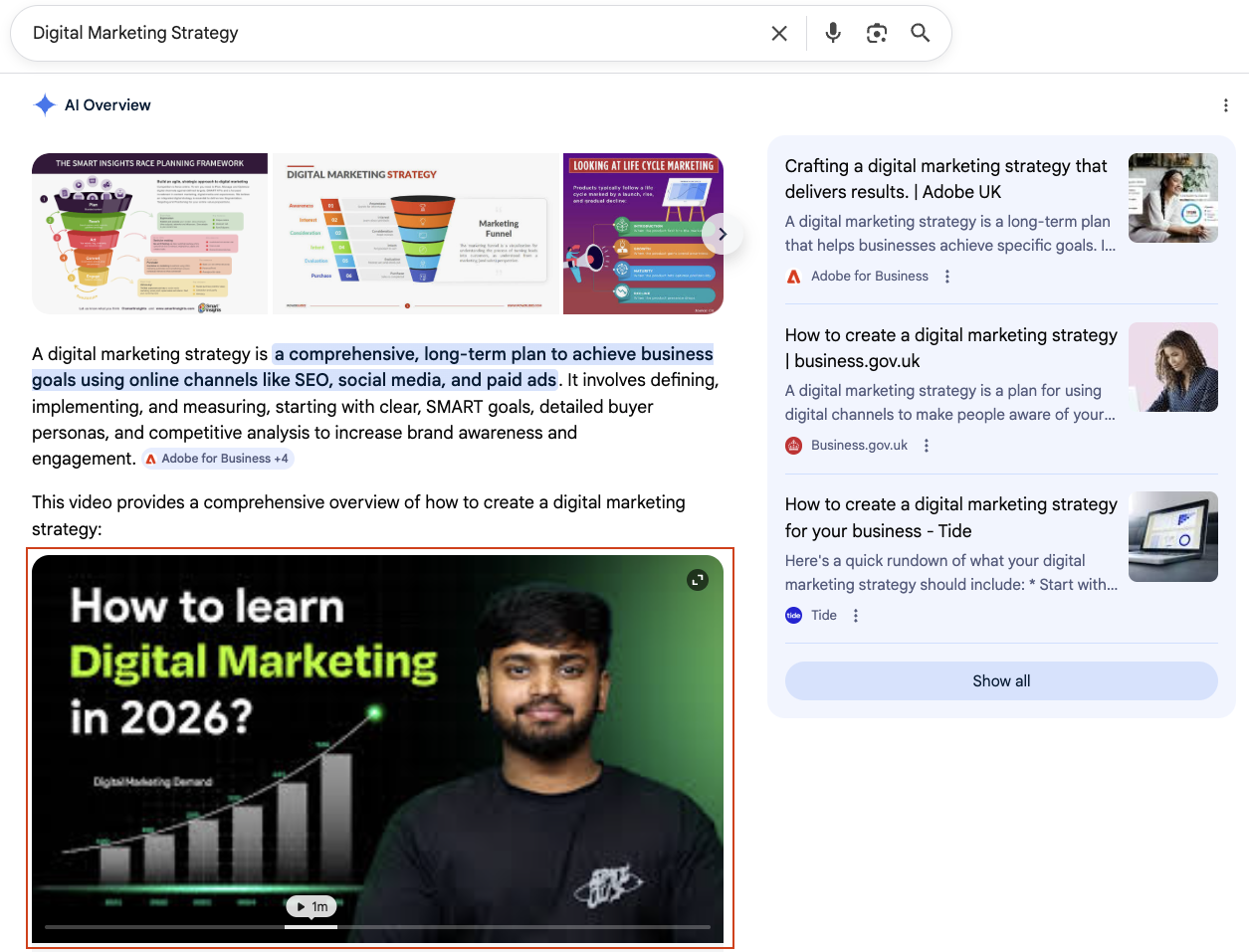
Community platforms also receive a large share of citations. Reddit and Quora often appear in results where users seek opinions or real world experiences.
Professional networks such as LinkedIn appear frequently in business and career related topics.
These patterns reveal an important insight. AI search systems prioritise accessible and widely available content formats that provide clear answers, even if those formats are not always the most authoritative in a traditional academic sense.
Freshness and timeliness also influence citations
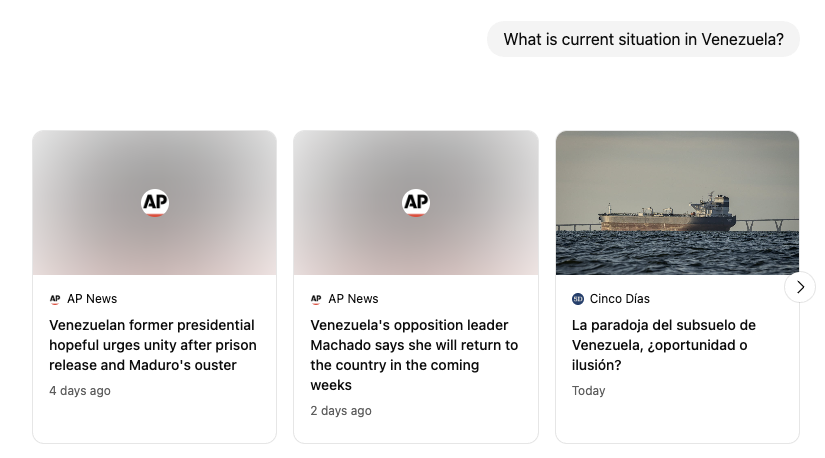
AI systems must overcome the challenge of outdated training data. To address this problem many platforms integrate real time web retrieval.
Microsoft describes this process as grounding. The system connects language models to current information from the Bing search index so that answers reflect recent events.
ChatGPT search similarly retrieves timely information from the web when responding to queries about current topics.
Because of this reliance on real time retrieval, freshness can influence which sources are selected. Articles that are regularly updated or recently published may have a higher chance of appearing in AI citations when the topic involves current developments.
Crawlability and indexing still matter
Despite the advanced nature of AI search, the basic mechanics of the web still play a major role.
Before a source can be cited, it must be discoverable and indexed by the underlying search system. This means traditional SEO foundations remain essential.
Pages must be accessible to crawlers, properly linked within a site, and included in the search index. Internal linking helps search engines discover content and understand site structure.
Canonicalisation also matters because duplicate pages may be consolidated into a single preferred version.
Even AI search systems depend on these classic signals because retrieval begins with the search engine index.
Structured information increases citation potential
Machine readable structure helps AI systems understand content more efficiently.
Structured headings, question and answer formats, and clearly defined sections allow AI models to identify passages that directly answer a query.
Schema markup can also help clarify meaning. While some platforms state that no special schema is required for AI search inclusion, structured metadata can still improve how content is interpreted.
Tables, lists, and concise definitions are particularly useful because they provide clear information units that can be reused in generated answers.
Real world citation patterns reveal concentration
Data from multiple industry studies shows that AI citations are highly concentrated among a relatively small set of domains.
For example, analyses of millions of citations have found that Wikipedia accounts for a significant share of references in ChatGPT search results. Reddit appears prominently in Google AI generated answers and Perplexity responses.
YouTube frequently appears as a source across multiple AI platforms, particularly for educational and tutorial content.
These findings highlight a key reality. Visibility in AI answers is not evenly distributed across the web. Instead a small group of highly visible platforms captures a large share of citations.
What this means for publishers and brands
For publishers the implications are clear. Optimising for AI citations requires focusing on authority, clarity, and accessibility rather than purely keyword driven strategies.
- Content should provide direct answers to common questions. Articles should be structured with clear sections that allow AI systems to extract individual passages.
- Research based content and original insights are especially valuable because they provide unique information that AI systems cannot easily replicate.
- Publishers should also ensure their content is technically accessible to AI crawlers and search engine indexes.
Finally, building authority across multiple platforms can increase visibility. Because AI systems draw from diverse sources, presence on trusted domains and widely cited platforms can reinforce credibility.
The future of AI citation visibility
AI search is still evolving rapidly. However early patterns suggest that the foundations of information authority remain largely unchanged.
Search engines and AI assistants still depend on credible sources to provide accurate answers. The difference is that these systems now synthesise information rather than simply ranking links.
For content creators the goal is no longer just ranking in search results. It is becoming a trusted source that artificial intelligence systems rely on when generating answers.
The websites that achieve this status will shape the knowledge ecosystem of the AI driven web.


Adxom is a global SEO and link-building platform
trusted by startups, agencies, and brands to grow
rankings with fast, reliable, hassle-free results.
