How to Build SEO Trust Signals That Improve Website Credibil
 - 2026-03-20T130557.751.jpg)
Search engine optimisation is no longer just about keywords and backlinks. In 2026, trust has become one of the most important signals behind sustainable SEO performance. Google is not simply indexing content. It is also trying to understand credibility, authenticity, and user confidence. In simple terms, trust signals SEO work by giving users and search engines more reasons to believe that a website is accurate, transparent, safe, and useful.
For website credibility SEO, the goal is to show who is behind the content, why they are qualified, where the information comes from, and how users can verify the claims.
Strong SEO trustworthiness comes from a mix of clear authorship, reliable sources, helpful content, brand reputation, secure browsing, honest user experience, and natural references from other trusted websites. If your content does not feel trustworthy, it is less likely to earn rankings, clicks, links, or conversions. Even if it does rank, it may struggle to convert because users need proof before they take action.
This shift is driven by two major forces. First, Google E-E-A-T SEO has made experience, expertise, authority, and trust more important in content quality. Second, the rise of AI-generated content has flooded the internet with low-quality information. As a result, both search engines and users are actively looking for signals that prove content is reliable. This article breaks down how to build SEO trust signals that improve website credibility, search visibility, and user confidence.
What Are Trust Signals in SEO
Trust signals are elements on your website and within your content that demonstrate credibility. These signals help search engines and users decide whether your content is reliable enough to rank, read, reference, and engage with. They are not just technical. They are psychological. When a user lands on your page, they make a decision within seconds. Do I trust this source or not? Google tracks this behaviour through engagement metrics such as bounce rate, time on page, and repeat visits.
Trust signals influence both search performance and user behaviour at the same time. In SEO, trust signals can include author credentials, transparent sourcing, real experience, brand reputation, secure website infrastructure, helpful content, clear ownership, reviews, and references from other trusted websites. Strong website trust signals also include visible contact information, clear editorial standards, updated content, expert review where needed, useful examples, and a website experience that feels safe and professional.
Why Trust Signals Matter More Than Ever
The internet is saturated with content. Most of it is generic and lacks originality. This has created a trust deficit. Google and other Search engines are responding by prioritising content that shows clear signs of human expertise and authenticity. At the same time, users are becoming more skeptical. They are looking for proof before they believe anything. This is why websites that invest in trust signals are more likely to outperform those that rely on traditional SEO tactics.
Important trust factors SEO teams should review include author expertise, content accuracy, source quality, website transparency, brand reputation, technical security, reviews, and backlink quality. High-trust website SEO is not built from one signal. It comes from repeated proof across the website, content, brand mentions, user feedback, external references, and a consistent record of publishing useful information.
For example, health platform Healthline consistently ranks at the top of competitive search results. One reason is its strong use of trust signals. Every article includes medical reviewers, author credentials, and cited sources. This builds confidence instantly. The same principle applies outside health and finance. Whether you publish SEO guides, SaaS comparisons, guest posting advice, ecommerce content, or technical tutorials, users need evidence that your information is accurate, current, and written by people who understand the topic.
.jpg)
Core Trust Signals That Improve SEO
Author Credibility
One of the strongest trust signals is showing who created the content and why they are qualified. Author credibility SEO matters because users want to know whether the person giving advice has real experience with the topic. Search engines also need clear signals that content is created or reviewed by people with relevant expertise. Anonymous content is a red flag. Users want to see real people behind important information.
To build this signal, include author names, bios, and relevant experience. Highlight expertise in a way that is directly related to the topic. For example, Neil Patel uses detailed author profiles across his blog. Each piece of content is tied to a known expert in marketing. This reinforces authority and improves user trust. If you are writing about SEO, the author should have experience in SEO. If you are writing about finance, the author should have financial expertise.
 (2).jpg)
This alignment matters more than ever. A stronger author profile should explain what the person knows, why they are qualified to write about the topic, and whether the content has been reviewed or updated. This is especially important for topics that influence business, money, health, legal decisions, or technical SEO strategy.
Real Experience and First Hand Insights
Generic content is easy to produce. Real experience is not. First-hand experience SEO is First-hand experience with SEO is especially important when many competing pages repeat the same general advice. Screenshots, campaign data, or lessons learned from actual work make the content more useful and harder to copy. Search systems and users both value content that demonstrates first-hand knowledge. This can include case studies, experiments, campaign examples, audit findings, or lessons learned from real situations.
For example, Ahrefs publishes detailed case studies based on its own data. They show what worked, what failed, and what changed. This type of content is difficult to replicate and highly trusted.
Adding original insights not only builds trust but also increases the chances of earning backlinks.
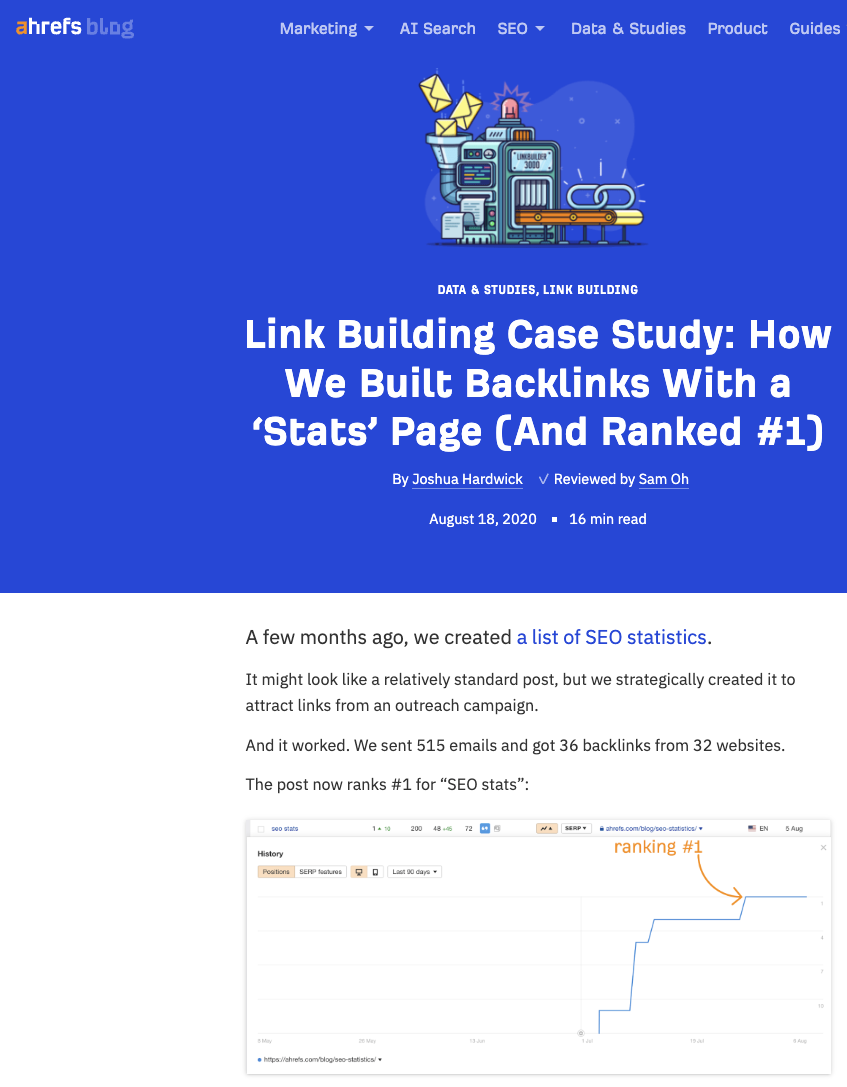
First-hand experience can include screenshots, campaign results, audit examples, testing notes, before-and-after comparisons, expert commentary, or lessons from real client work. These details make content harder to copy and more useful for readers.
Transparent Sources and References
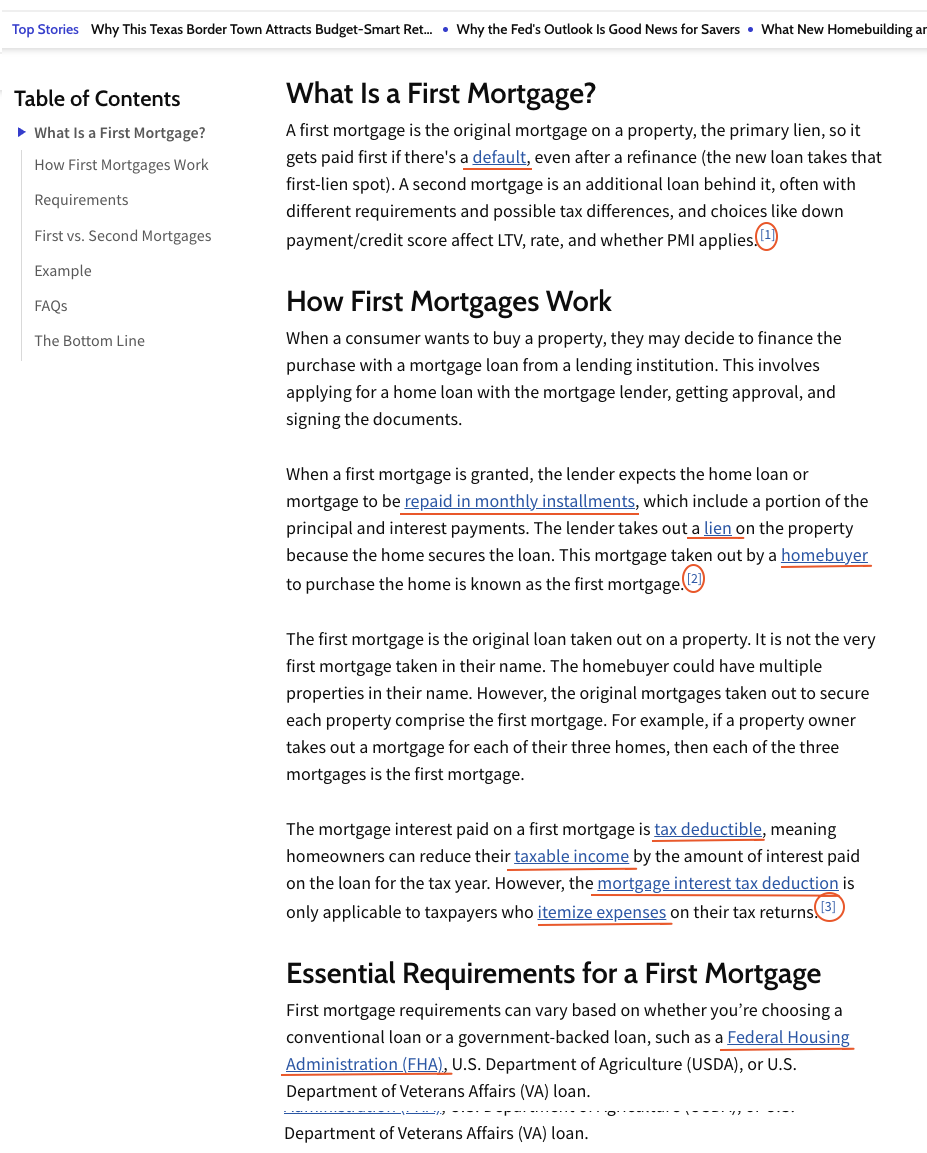
Citing reliable sources is a simple but powerful trust signal. Trusted sources SEO means using references that users can verify, such as official documentation, original research, reputable industry studies, expert commentary, or data from recognised platforms. When you back your claims with data, you reduce skepticism. Users feel more confident, and search engines can better understand the effort behind your content.
However, not all sources are equal. Referencing high-authority websites such as government pages, academic research, official documentation, or established industry platforms carries more weight. For instance, Investopedia uses extensive references throughout its content. This approach has helped it become one of the most trusted financial education platforms online.
For SEO content, strong sources may include Google Search Central, original research, reputable SEO platforms, industry studies, official product documentation, and clearly attributed expert insights. Avoid using weak statistics, outdated screenshots, or claims that cannot be checked.
Strong Brand Presence
Trust is not built on a single page. It is built across your entire brand. Brand trust SEO improves when your brand is consistently mentioned, cited, reviewed, and recognised across relevant websites, social platforms, search results, and industry discussions. Reputation signals SEO can include reviews, testimonials, third-party mentions, expert citations, press coverage, community discussion, and consistent positive brand recognition.
When users recognise your brand, they are more likely to trust your content. This includes brand mentions, social presence, and consistency in messaging. For example, Shopify has built a strong brand around ecommerce education. Its content is widely shared, referenced, and trusted. This brand authority supports stronger search visibility.
Even if your site is new, you can start building brand signals through consistent publishing and engagement. Brand trust also comes from consistency. Your website, author profiles, social channels, guest posts, product pages, and external mentions should all tell the same story about what your brand does and why users should trust it.

User Generated Content and Reviews
User-generated content is one of the most authentic trust signals available. Reviews, testimonials, and community discussions provide social proof. They show that real people have interacted with your brand and found value. Amazon is a clear example. Product rankings are heavily influenced by user reviews.
The same principle applies to SEO content. Including testimonials or real feedback within your content can improve credibility and conversion rates. For service-based or marketplace websites, reviews can also help users compare providers, understand delivery quality, and reduce uncertainty before taking action. The key is to keep reviews authentic, specific, and connected to real user experience.
 (3).jpg)
Website Security and Transparency
Technical trust signals also play a role.
A secure website with HTTPS is now a baseline requirement. Beyond that, transparency in policies and contact information adds another layer of trust. Users want to know who they are dealing with. Clear contact pages, privacy policies, and about sections make your site feel legitimate. Companies like Apple and Microsoft maintain detailed transparency across their websites. This reinforces trust at every level.
For SEO, transparency also includes clear ownership, visible business details, editorial standards, update dates, author information, and easy ways for users to verify who is behind the website.
These are also website authority signals and credibility signals that SEO teams should check when improving trust. A site with expert authors, strong sourcing, secure browsing, clear business information, useful content, relevant backlinks, and positive brand mentions is easier for users to trust.

Content Quality and Depth
Shallow content does not build trust.
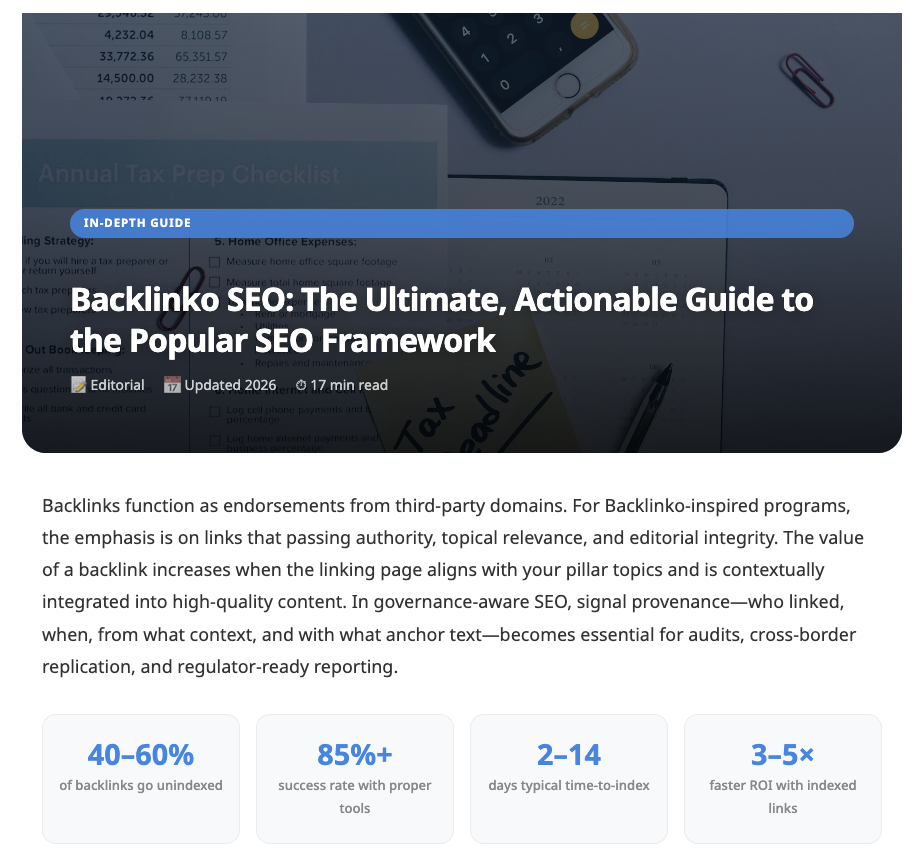
High-quality content goes beyond surface-level information. It answers questions in depth, provides context, and offers actionable insights. Backlinko is known for producing long-form, detailed guides. These articles consistently rank well because they deliver real value. Depth signals effort. Effort signals credibility. Content trust signals include accurate information, useful examples, clear structure, updated facts, original insights, expert input, and honest explanations of limitations or uncertainty.
Expertise signals SEO can also come from detailed explanations, real-world examples, author experience, review processes, and content that answers the reader’s full question instead of only targeting keywords. However, depth does not mean adding words for the sake of length. A trustworthy article should cover the topic fully, remove filler, answer the reader’s real questions, and include practical examples that help the user make a better decision.
Trust Signals for Link Building and Backlinks
- Trust signals for link building help buyers judge whether a website is a safe, relevant, and credible place to earn or place a backlink. Trustworthy backlinks usually come from websites with real audiences, topical relevance, useful content, natural outbound links, visible ownership, and a clean publishing history.
- High trust backlinks are not only about DR, DA, or traffic. The linking page should also make sense contextually, match the topic, and provide value to readers.
- Backlink trust signals include publisher quality, content relevance, organic traffic, outbound link patterns, anchor text context, author visibility, and whether the site appears built for users rather than only for selling links.
- If you are asking how to evaluate website trust for backlinks, start by checking the website’s content quality, topical relevance, author information, traffic consistency, link placement context, and signs of spam.
- Low-quality backlinks often come from thin content, irrelevant websites, excessive outbound links, copied articles, private blog networks, or sites with no real audience.
- Spammy backlinks can harm trust when they use forced anchors, irrelevant placements, low-quality publisher sites, or patterns that look created only to manipulate rankings.
- Toxic backlinks are links that may create SEO risk because they come from spam networks, hacked sites, irrelevant pages, or websites with unnatural linking patterns.
- For guest posting and backlink campaigns, trust signals protect both SEO performance and brand reputation. The goal is not just to get a link. The goal is to earn a placement that makes sense for users, search engines, and your long-term authority.
How Trust Signals Improve SEO Performance
Trust signals influence several key SEO outcomes.
- First, they improve user confidence. When users trust your content, they are more likely to stay, read, click, share, and take action. This can support stronger user satisfaction and better conversion behaviour.
- Second, they increase backlinks. High-quality, trustworthy content is more likely to be referenced by other websites.
- Third, they enhance click-through rates. Users are more likely to click on results from brands they recognise and trust.
- Finally, they support long-term rankings. Trust builds over time. The more consistent your signals, the stronger your position becomes.
Trust signals also support AI search visibility. AI systems and answer engines are more likely to surface, cite, or summarise content that is clear, well-sourced, entity-rich, and easy to verify.
Practical Steps to Build Trust Signals
- Start with your content structure. Add author bios, include real examples, and cite reliable sources.
- Next, focus on originality. Share insights that cannot be found elsewhere. This could be based on your own data or experience.
- Then, improve your site’s credibility. Ensure your website is secure, transparent, and easy to navigate.
- Finally, build your brand. Publish consistently, engage with your audience, and create a recognisable voice.
- Trust is not built overnight. It requires consistent effort and attention to detail.
Use this simple checklist when improving SEO trust signals:
✅ Add or improve author bios
✅ Show relevant expertise or review credentials
✅ Cite reliable sources where claims need support
✅ Add original examples, data, or first-hand insights
✅ Keep content updated when the topic changes
✅ Make contact, privacy, and editorial information easy to find
✅ Use HTTPS and avoid broken pages or poor UX
✅ Include reviews, testimonials, or real user feedback where relevant
✅ Build consistent brand mentions across trusted platforms
✅ Review backlink quality before accepting or building links
The Future of Trust in SEO
Trust will only become more important.
As AI continues to generate content at scale, the value of human insight will increase. Search engines will continue refining their ability to detect authenticity. This means that shortcuts will stop working. The focus will shift toward real expertise and genuine value. Brands that invest in trust today will have a significant advantage in the future.
The future of SEO will reward websites that can prove why their content deserves attention. That proof may come from expert authors, transparent sourcing, original data, strong brand reputation, user feedback, and links from relevant, trustworthy websites.
Conclusion
SEO is no longer just a technical discipline. It is a trust-building exercise. If users do not trust your content, search engines have fewer reasons to treat your site as reliable. If search engines do not trust your site, users will never find it. The solution is clear. Build trust signals into every part of your content and website. Show who you are. Share what you know. Back your claims. Deliver real value. That is how you win in modern SEO.
For a deeper dive into AI visibility and redefining success beyond clicks, explore our full breakdown on AI search.


Adxom is a global SEO and link-building platform
trusted by startups, agencies, and brands to grow
rankings with fast, reliable, hassle-free results.
