How to Start a Blog in 2026: A Complete Guide
 - 2026-04-08T104710.997.jpg)
Starting a blog in 2026 is no longer about simply writing articles and hoping for traffic. The landscape has evolved. Search engines are smarter, competition is stronger, and readers expect higher quality than ever before. At the same time, the opportunity is still massive for those who approach blogging strategically.
This guide breaks down exactly how to start a blog today with a focus on sustainability, visibility, and real results.
Understanding What Blogging Means in 2026
Before setting up a blog, it is important to understand what has changed.
Blogging is no longer just content creation. It is a combination of:
- Topical authority building
- Search intent alignment
- Content distribution
- Backlink acquisition
- Brand positioning
Search engines now evaluate expertise, relevance, and trust signals more deeply. A single blog post rarely ranks on its own. Instead, success comes from building a connected ecosystem of content.
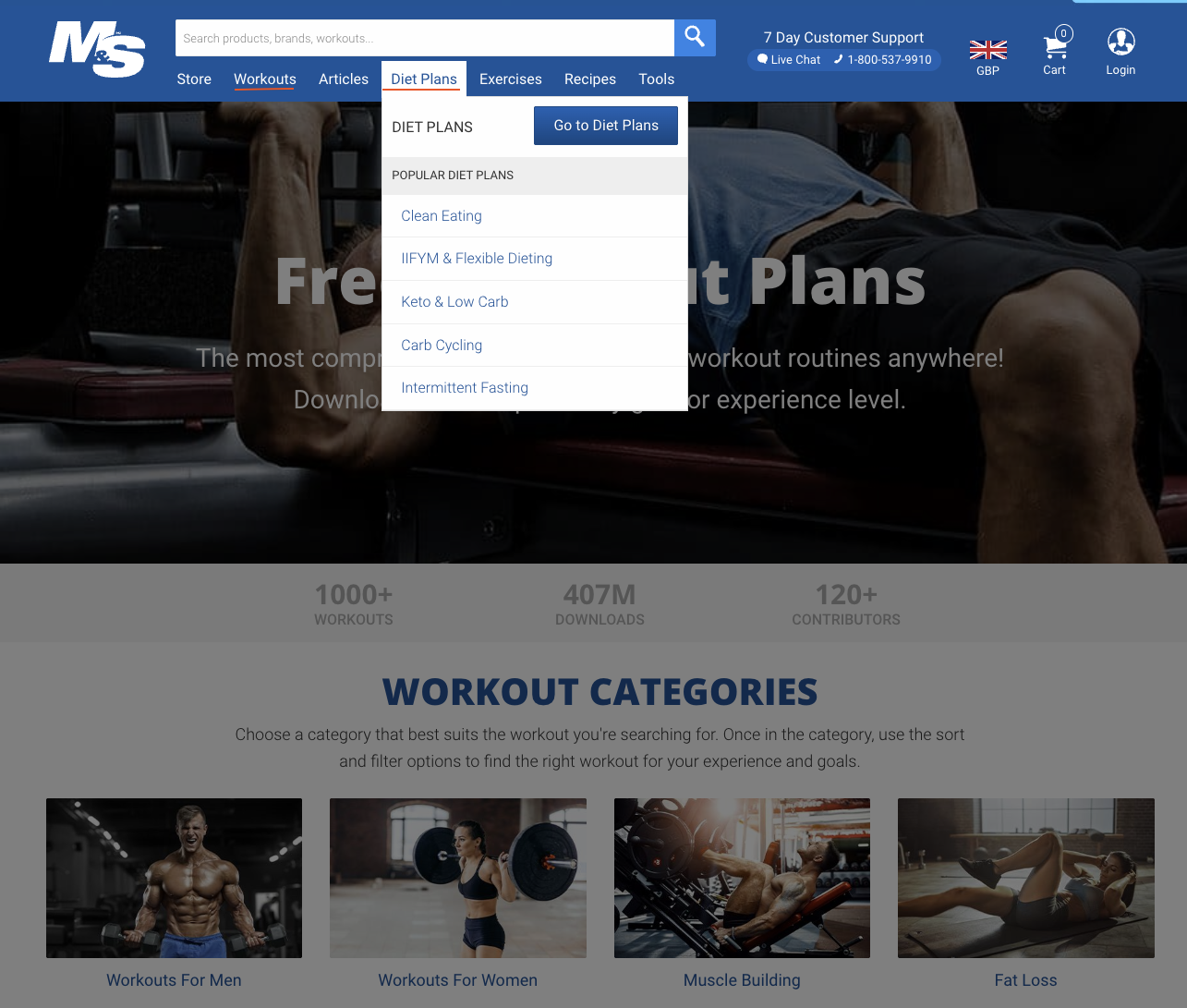
For example, a fitness blog that publishes one article on weight loss will struggle. A blog that builds a structured content cluster around nutrition, workouts, metabolism, and lifestyle habits will perform significantly better.
Step 1: Choose a Niche with Depth, Not Just Demand
Many beginners choose a niche based purely on popularity. This is a mistake. In 2026, depth matters more than breadth.
A good niche should meet three criteria:
- Clear audience demand
- Opportunity to build topical authority
- Commercial or growth potential
Weak example: Travel blog
Strong example: Budget travel for remote workers in Europe
The second example is more specific, allowing you to build expertise and stand out.
Another strong niche example is:
- Instead of "digital marketing" choose "link building strategies for SaaS companies"
- Instead of "health" choose "gut health for athletes"
The more focused your niche, the easier it is to rank and grow.
Step 2: Build Your Blog Infrastructure Properly
The technical setup still matters, but it is no longer the main differentiator. However, poor setup can limit growth.
Key elements include:
- A fast, mobile-friendly website
- Clean site structure
- Logical URL hierarchy
- Basic on-page SEO setup
Use platforms like WordPress or modern headless CMS solutions depending on your technical comfort level.
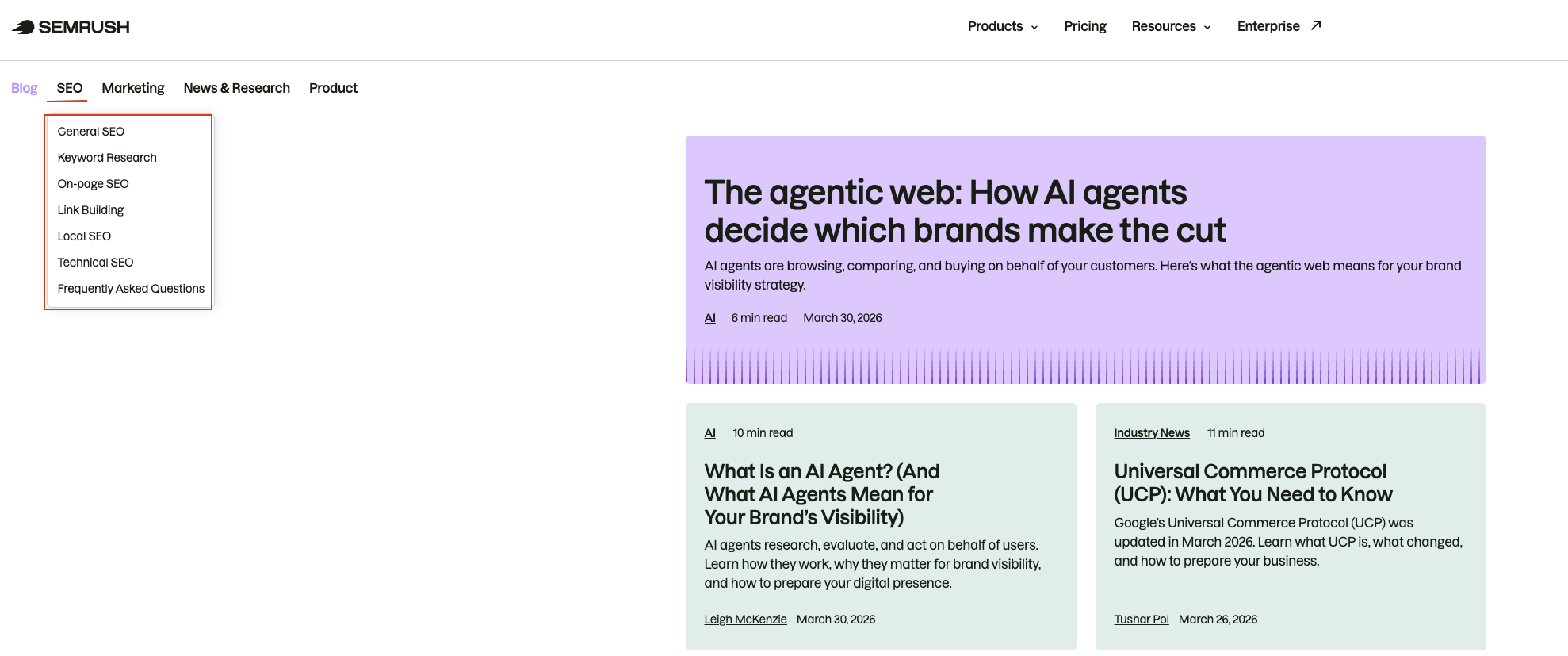
Structure your site around categories that reflect your core topics. For example:
If your niche is SaaS SEO:
- Link Building
- Technical SEO
- Content Strategy
- Case Studies
This structure supports both user experience and search engine understanding.
Step 3: Focus on Topical Authority from Day One
Topical authority is one of the most important ranking factors today.
Instead of writing random posts, build content clusters.
For example, if your main topic is backlink building, your cluster could include:
- What are backlinks and why they matter
- Types of backlinks
- How to build backlinks without outreach
- Common link building mistakes
- Tools for backlink analysis
Each article supports the others through internal linking. This signals expertise and depth to search engines.
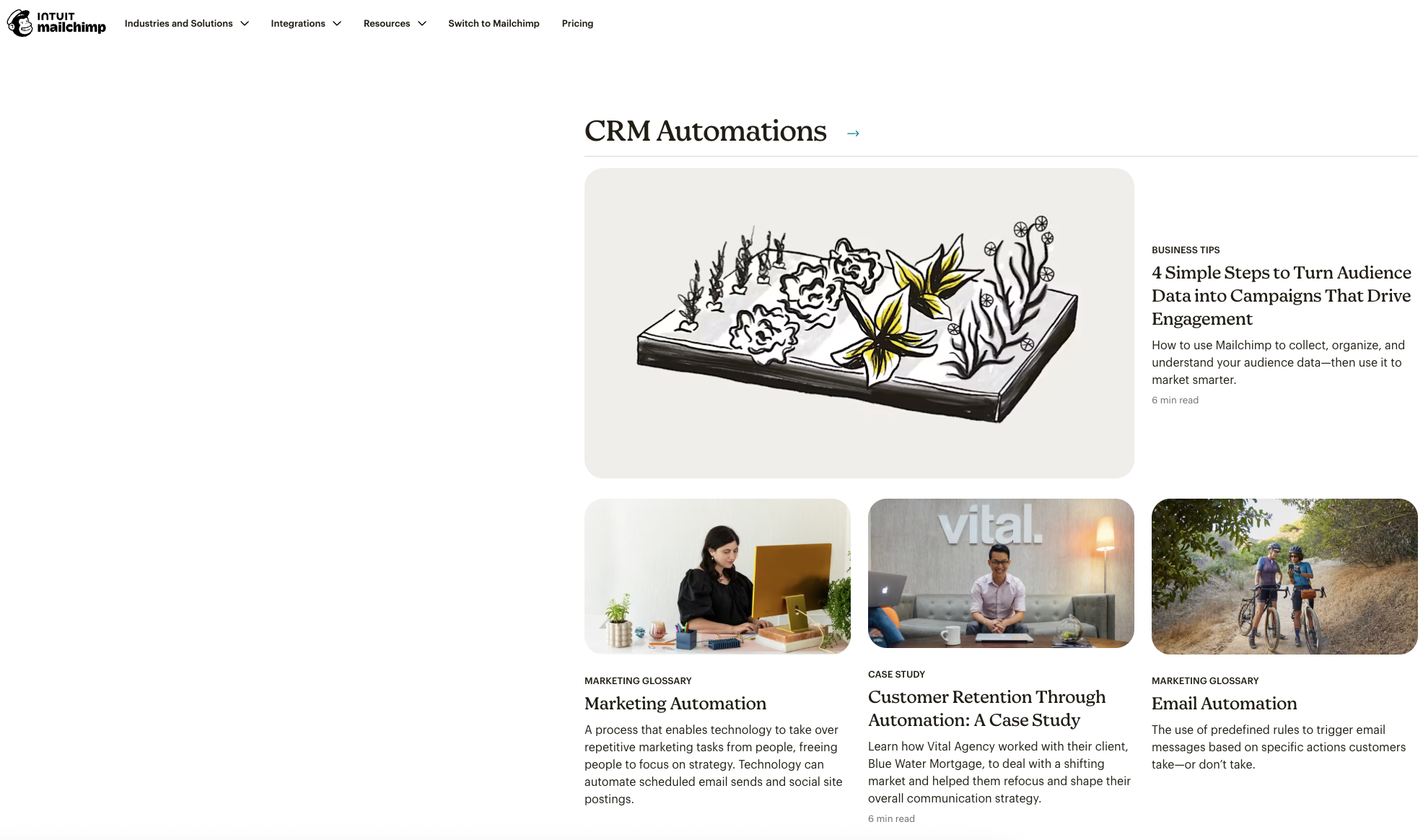
A real example of this approach is seen in successful SEO blogs that dominate rankings by covering every subtopic within their niche rather than chasing unrelated keywords.
Step 4: Create Content That Is Actually Worth Ranking
Publishing content is easy. Creating content that ranks is difficult.
In 2026, high performing blog content shares these characteristics:
- It directly answers search intent
- It includes original insights or examples
- It is structured for readability
- It demonstrates real expertise
Avoid generic content that repeats what already exists.
For example:
Weak content:
"Backlinks are important for SEO because they help improve rankings."
Strong content:
A detailed breakdown of how contextual backlinks from relevant domains impact ranking movement, supported by a case example showing traffic growth after acquiring links from industry specific sites.
Another example:
Instead of writing a generic guide on blogging, include real scenarios such as:
A SaaS startup publishing 30 targeted articles within one niche and gaining 50 backlinks through data driven content, leading to a measurable increase in organic traffic within six months.
Specificity builds trust and authority.
Step 5: Optimise for Search Intent, Not Just Keywords
Keywords still matter, but intent matters more.
Every blog post should match one of the following intents:
- Informational
- Navigational
- Commercial
- Transactional
For blogging, informational and commercial intent are the most common.
For example:
Search query: "how to build backlinks"
Intent: informational
Search query: "best link building tools"
Intent: commercial
If your content does not align with intent, it will not rank regardless of quality.
Study the current search results before writing. Look at:
- Content format
- Length
- Structure
- Type of information provided
Then create something better, not just similar.
Step 6: Build Backlinks Strategically
Even in 2026, backlinks remain a strong ranking signal. However, quality and relevance matter far more than quantity.
Focus on:
- Contextual links within relevant content
- Links from sites in your niche
- Editorial placements rather than automated links
For example:
A backlink from a marketing blog to your article on SEO strategies is more valuable than multiple links from unrelated directories.
Effective backlink strategies include:
- Guest posting on relevant sites
- Digital PR campaigns
- Data driven content that earns citations
- Using platforms that streamline link acquisition
One strong example is publishing original research or statistics. These types of posts often attract natural backlinks because other writers cite them.
Step 7: Distribute Content Beyond Search
Relying only on search traffic is risky. Content distribution is essential.
Use multiple channels:
- LinkedIn for professional audiences
- Twitter or X for industry discussions
- Email newsletters for retention
- Communities and forums
For example:
A well written blog post on link building can be repurposed into:
- A LinkedIn carousel
- A short thread summarising key insights
- An email breakdown for subscribers
This multiplies reach without creating new content from scratch.
Step 8: Update and Improve Content Regularly
Publishing is only the beginning. Content needs to be maintained.
Search engines reward freshness and relevance.
Regular updates should include:
- Adding new data or examples
- Improving structure and readability
- Updating outdated information
- Expanding sections based on new insights
For example:
A blog post written in 2024 about SEO strategies may need updates to reflect AI search changes and evolving ranking factors.
Blogs that consistently refresh content outperform those that only publish new posts.
 (5).jpg)
Step 9: Measure What Actually Matters
Traffic alone is not the best metric.
Focus on:
- Organic traffic growth
- Keyword rankings
- Backlink acquisition
- Engagement metrics
- Conversions
For example:
A blog post that brings 100 visitors but generates leads or sales is more valuable than one that brings 1000 visitors with no action.
Use tools like Google Search Console and analytics platforms to track performance and refine your strategy.
Step 10: Think Long Term, Not Quick Wins
The biggest mistake in blogging is expecting immediate results.
Blogging is a long term asset.
Most successful blogs take months to gain traction and years to dominate their niche.
However, once momentum builds, growth becomes compounding.
For example:
A blog that consistently publishes high quality, interconnected content and earns backlinks can go from zero to thousands of monthly visitors within a year, and continue growing without proportional effort.
The Blogs That Win Are Built, Not Written
Starting a blog in 2026 requires more than just writing content. It demands strategy, consistency, and a clear understanding of how search and user behaviour have evolved.
Success comes from:
- Choosing a focused niche
- Building topical authority
- Creating genuinely valuable content
- Earning high quality backlinks
- Distributing and updating content
The barrier to entry is higher, but so is the reward for doing it right.
If you approach blogging as a system rather than a one time effort, it can become one of the most powerful growth channels available today.


Adxom is a global SEO and link-building platform
trusted by startups, agencies, and brands to grow
rankings with fast, reliable, hassle-free results.
